Hollywood’s most glamorous night came with a quiet ache this year. While cameras flashed and champagne flowed at the Academy Awards, the team behind the Iranian documentary ‘Cutting Through Rocks’ found themselves celebrating history, and mourning the people who could not be there to share it.
Their film had just reached a major milestone: an Oscar nomination. But the moment was bittersweet, filled with pride, politics, and painful distance from home.
Advertisement
A historic moment for an Iranian documentary
The filmmakers behind ‘Cutting Through Rocks’ arrived at the Oscars carrying more than just excitement. They carried the weight of representing ordinary Iranians on one of the world’s biggest stages.
Co-director Mohammadreza Eyni said the moment felt like a huge responsibility.
According to him, the team does not see itself as political figures. Instead, they see themselves as storytellers speaking for everyday people in Iran.
The nomination itself is historic. The film is believed to be the first Iranian documentary feature to receive an Oscar nomination while telling a story directly rooted in Iranian society. The project took eight years to complete; nearly a decade of filming, editing, and waiting for the story to reach audiences worldwide.
But the celebration felt incomplete.
The star who couldn’t walk the red carpet
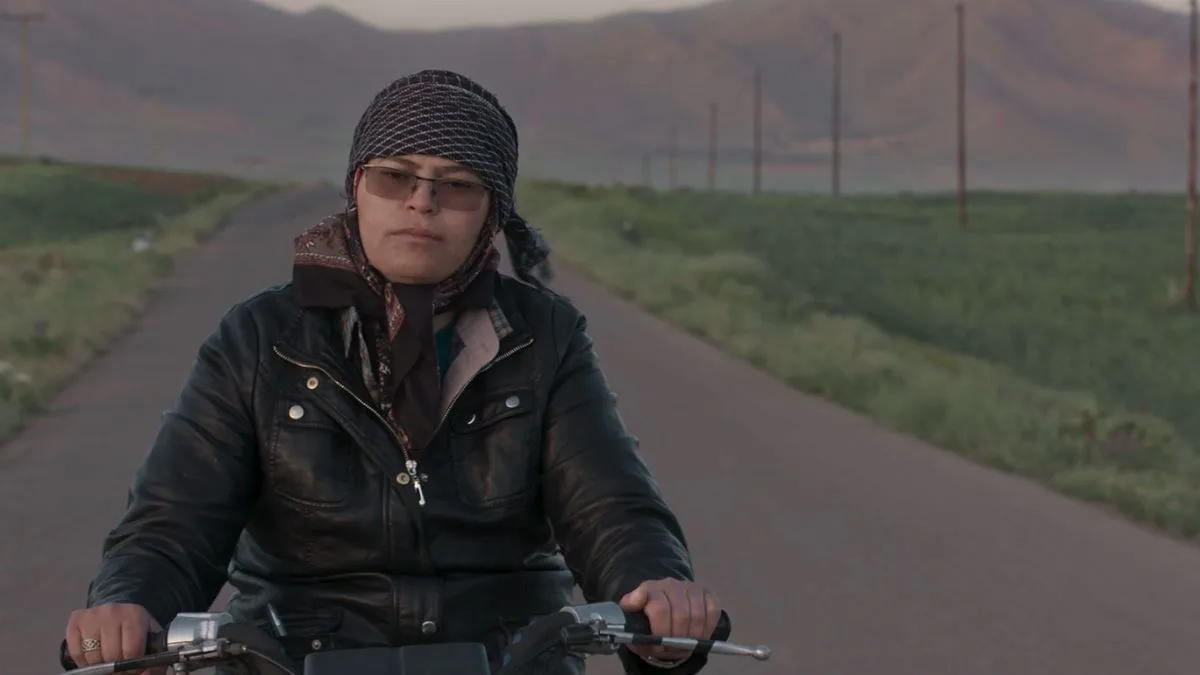
The heart of the documentary is its central character, Sara Shahverdi. Yet the woman whose life story powers the film was not able to attend the ceremony.
Shahverdi was barred from traveling to the United States because of a new immigration restriction introduced by the White House in December 2025. The policy limits entry for citizens from 12 countries, including Iran.
For the filmmakers, that absence was painful.
Co-director Sara Khaki explained that Shahverdi represents exactly kind of courage and resilience the film celebrates. Not having her present during such a historic moment made the celebration feel incomplete.
The travel restrictions affected others in the film world as well. Palestinian actor Motaz Malhees, who appears in the Tunisian Oscar-nominated film The Voice of Hind Rajab, was also unable to attend the ceremony because of the same policy.
When the internet goes silent
Even more heartbreaking for the filmmakers is the difficulty of sharing their moment with people back home.
Iranian authorities imposed an internet shutdown earlier this year as protests spread across the country. Demonstrations have been fueled by public anger over the economic crisis and dissatisfaction with the government.
The blackout has drawn international criticism and has been widely described as a violation of human rights.
For the filmmakers, the shutdown has made something very simple impossible: showing their success to the people who inspired the story.
Eyni revealed that the team cannot even send photos or videos from the Oscars to Shahverdi or to supporters inside Iran. The digital silence has cut them off from the very community they hoped to celebrate with.
After eight years of work, they had dreamed of sharing the achievement with audiences back home.
Instead, that connection remains out of reach.