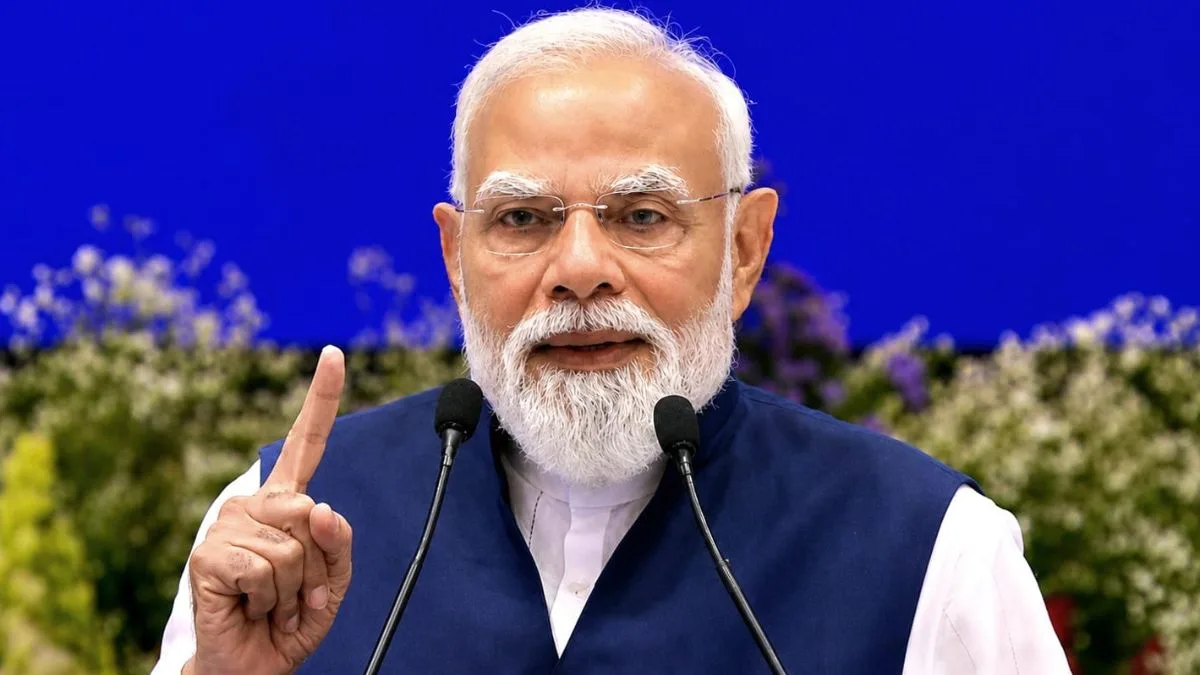
Interim trade deal: India, US to hold fresh talks on June 23-24
Commerce Secretary Rajesh Agrawal said the USTR delegation will be holding talks with Union Commerce and Industry Minister Piyush Goyal and senior Indian officials.
A sea of humanity poured into the Arjun Bhogeswar Baruah Stadium in Sarusajai, Guwahati, on Sunday. Umbrellas dotted the arena like a restless ocean as intermittent showers fell, but nothing could hold back the waves of people who came to catch a final glimpse of their beloved icon, Zubeen Garg.




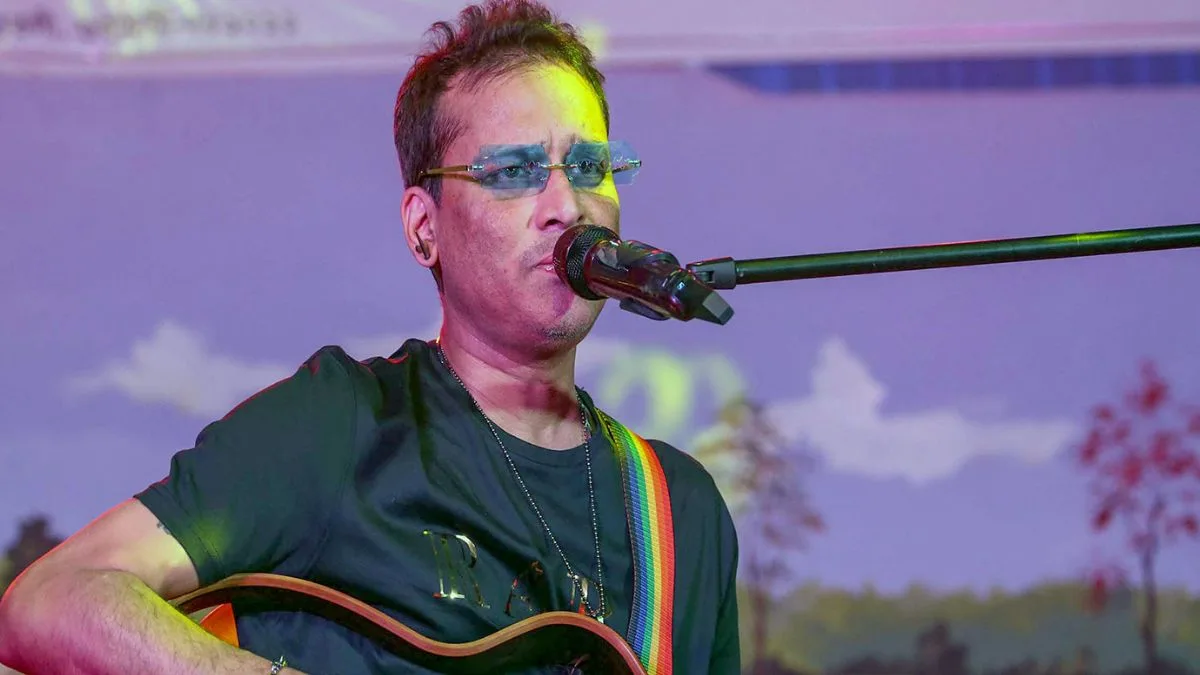
A sea of humanity poured into the Arjun Bhogeswar Baruah Stadium in Sarusajai, Guwahati, on Sunday. Umbrellas dotted the arena like a restless ocean as intermittent showers fell, but nothing could hold back the waves of people who came to catch a final glimpse of their beloved icon, Zubeen Garg.
For Assam, it was not just a farewell — it was history in motion. For hours, through the day and night, men, women, and children queued patiently, many weeping silently, others breaking into spontaneous renditions of his timeless songs. The stadium, usually a place of celebration and sport, had turned into a shrine of grief and remembrance.
Advertisement
Authorities and observers estimate that this is among the largest funeral gatherings in the world, comparable to those of Michael Jackson, Pope John Paul II, and Queen Elizabeth II.
Advertisement
The sheer magnitude underlines how deeply Zubeen was woven into the fabric of life in Assam and the Northeast.
Shops and markets across the state remained closed in a rare, voluntary gesture of respect. Villages and towns emptied as people boarded buses, trains, and trucks to reach Guwahati. For once, caste, creed, tribe, and religion dissolved—Assam was united in grief.
Recognizing the outpouring of emotions, Chief Minister Himanta Biswa Sarma announced that the stadium would remain open round-the-clock, giving every fan the chance to say their last goodbye. “More and more people wish to see our beloved Zubeen one last time, and we deeply understand these sentiments,” the chief minister said. The state declared three days of mourning from September 20 to 22, with flags flying at half-mast and all official festivities cancelled.
Born Zubeen Borthakur in Tura, Meghalaya, in 1972, he grew up in Jorhat, Assam, nurtured in a family of artists. Named after the legendary composer Zubin Mehta, destiny had already written music into his fate. In a career spanning over three decades, Zubeen recorded more than 38,000 songs in 40 languages — Assamese, Bengali, Hindi, Nepali, and even English. He was fluent on the tabla, guitar, keyboard, and multiple other instruments, making him one of India’s most versatile musicians.
National fame arrived with Ya Ali in 2006, but in Assam, he was always “Zubeen da”—the brother who sang about love, loss, rebellion, and dreams. His music resonated equally in college hostels, wedding pandals, political rallies, and quiet village courtyards.
Zubeen was never a conformist. He often voiced his opinions fearlessly, whether about politics, culture, or the environment. He stood with farmers, students, and activists, using his songs as both protest and prayer. His simplicity made him relatable. He drove around Guwahati in his beloved jeep, mingled with fans on the streets, and was known to appear unannounced at concerts, weddings, and public gatherings, performing without the trappings of stardom. The scenes at Sarusajai were heart-wrenching. His wife, Garima Saikia Garg, broke down as she bid farewell to her partner of decades. Friends and collaborators from the film and music industry joined in, many unable to hold back tears.
Tributes poured in from across India. Prime Minister Narendra Modi called him “a true cultural ambassador of the Northeast.”
Rahul Gandhi described him as “the bridge between regional identity and national consciousness.” Musicians like Shaan, Papon, Vishal Dadlani, and Armaan Malik remembered him as a fearless innovator whose art transcended boundaries. Zubeen’s untimely death in Singapore on September 19 sent shockwaves across the nation.
He was reportedly on a recreational diving session, having travelled to the city-state partly to unwind and partly for the North East India Festival. In the wake of his passing, Assam Police’s CID has initiated a probe. FIRs have been filed against Shyamkanu Mahanta, chief organiser of the festival, and Sidharth Sarma, Zubeen’s manager, amid allegations of negligence. The investigation continues, even as fans struggle to come to terms with the void.
Yet, amid the sorrow, a deep truth resonates—Zubeen Garg is not gone. His songs still float through radios at dawn, echo in the corridors of hostels, and play on guitars strummed by hopeful dreamers.
He was more than a singer; he was Assam’s conscience, its poet, its rebel, its voice. He showed generations that art can unite, heal, and inspire. As one fan at Sarusajai whispered through tears: “Zubeen da is immortal. He lives wherever his songs are sung.”
When history remembers September 2025, it will remember a state that came together not for politics or protest, but for love—for one man whose music became the soundtrack of its soul. Goodbye, Zubeen da. The stage is empty, but your song plays on
Advertisement