Defective plan sanctioned by previous govt led to disaster: Suvendu on Taratala warehouse collapse
Suvendu Adhikari said preliminary findings indicated flaws in the sanctioned design of the five-storey steel-framed structure.
Chief Minister Suvendu Adhikari said that the proposed legislation would target corrupt public officials, political leaders and individuals who have amassed wealth illegally.




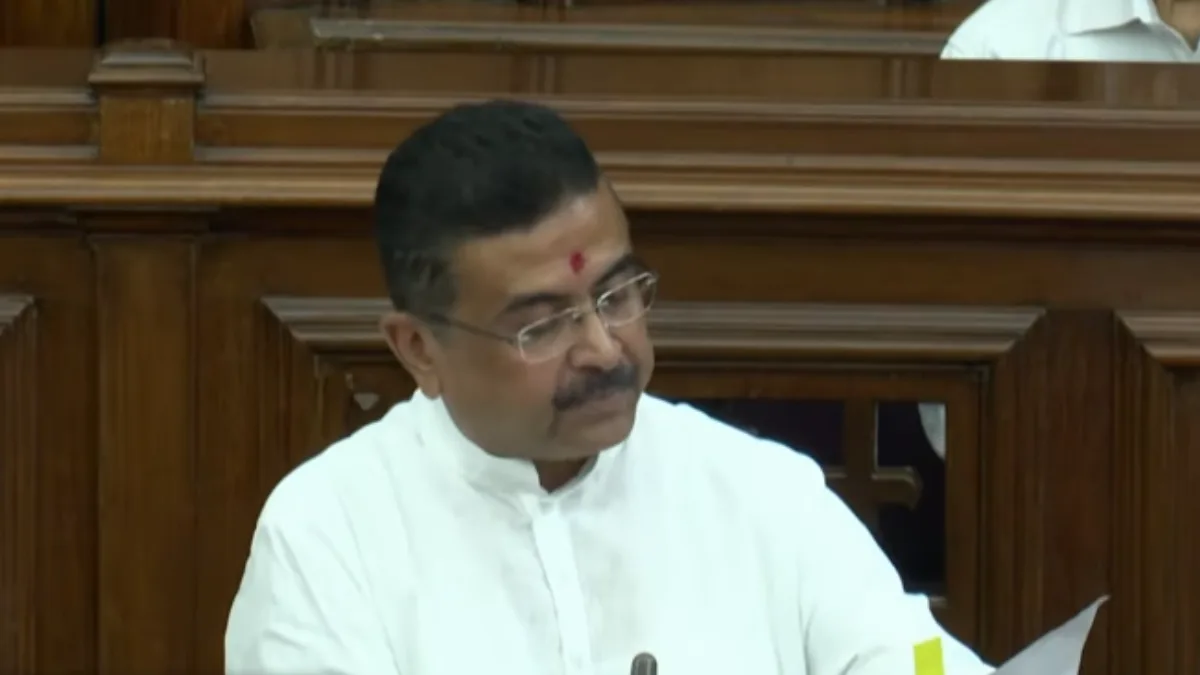
Photo: ANI
In what is being projected as one of the most stringent anti-corruption measures in the state’s history, the West Bengal government is set to introduce a new law empowering authorities to confiscate properties allegedly acquired through corrupt means.
To enact the proposed anti-corruption law immediately, a special Assembly session will be held on June 29 so that the newly-elected Suvendu Adhikari government can moves the highly anticipated Bill.
Advertisement
Chief Minister Suvendu Adhikari made the announcement in the Assembly on Tuesday during the ongoing Budget Session, stating that the proposed legislation would target corrupt public officials, political leaders and individuals who have amassed wealth illegally.
Advertisement
According to Assembly sources, a special one-day session is likely to be convened on 29 June to introduce and pass the Bill.
The move comes shortly after the BJP government assumed office in the state and is being seen as a major policy initiative aimed at demonstrating a zero-tolerance approach towards corruption.
As per the existing schedule, the first phase of the Budget Session was slated to continue till June 25, followed by a recess before the second phase on July 7. However, sources in the Assembly said the drafting of the proposed anti-corruption legislation is currently underway on a war footing.
Legal experts are reportedly examining various provisions to ensure that the proposed law can withstand judicial scrutiny and contains no legal loopholes. Since the drafting process is unlikely to be completed before the scheduled conclusion of the current phase of the session, the government is considering convening a special sitting of the Assembly on June 29 to table and pass the legislation.
Addressing the House, Adhikari said that once the law comes into force, individuals found guilty of corruption would not only face imprisonment but would also lose all assets acquired through illegal means.
“People should not think that after committing large-scale corruption they can spend a few months in jail and then walk free through legal manoeuvring. Those days are over. We will not only send the guilty to prison but also seize properties and wealth accumulated through corruption and auction them in accordance with the law,” the chief minister said.
He further asserted that proceeds from such auctions would be utilised in the public interest, claiming that the government intends to return money allegedly siphoned off through corrupt practices to the people.
Without taking names, Adhikari launched a sharp attack on leaders associated with the previous Trinamool Congress regime.
Referring to “palatial properties” built in areas such as Harish Chatterjee Road, Harish Mukherjee Road and Amtala, he suggested that such assets, if found to have been acquired illegally, could be taken over by the state under the proposed legislation.
The chief minister also remarked that properties confiscated under the law could potentially be repurposed for social welfare measures, including providing accommodation for homeless and economically vulnerable residents.
Political observers viewed the remarks as an indirect reference to senior Trinamool Congress leaders, including party national general secretary Abhishek Banerjee and former chief minister Mamata Banerjee, though Adhikari did not mention any names during his speech.
The proposed Bill is expected to trigger intense political debate in the coming days, with supporters describing it as a bold step against corruption and critics likely to question its implementation and legal framework.
The government, however, maintains that the legislation will mark a new chapter in ensuring accountability and transparency in public life in West Bengal.
Advertisement