Sardar Teja Singh Samundri: A Colossus of Sikh Awakening
A century after his martyrdom on July 17, 1926, remembering the man whose quiet courage and unwavering principles reshaped the Sikh panth.
Delhi Environment Minister on Wednesday said in a press statement that Automated Number Plate Recognition (ANPR) cameras have been installed at 494 of the city’s 500 fuel stations, with the remaining expected to be completed by July 1.





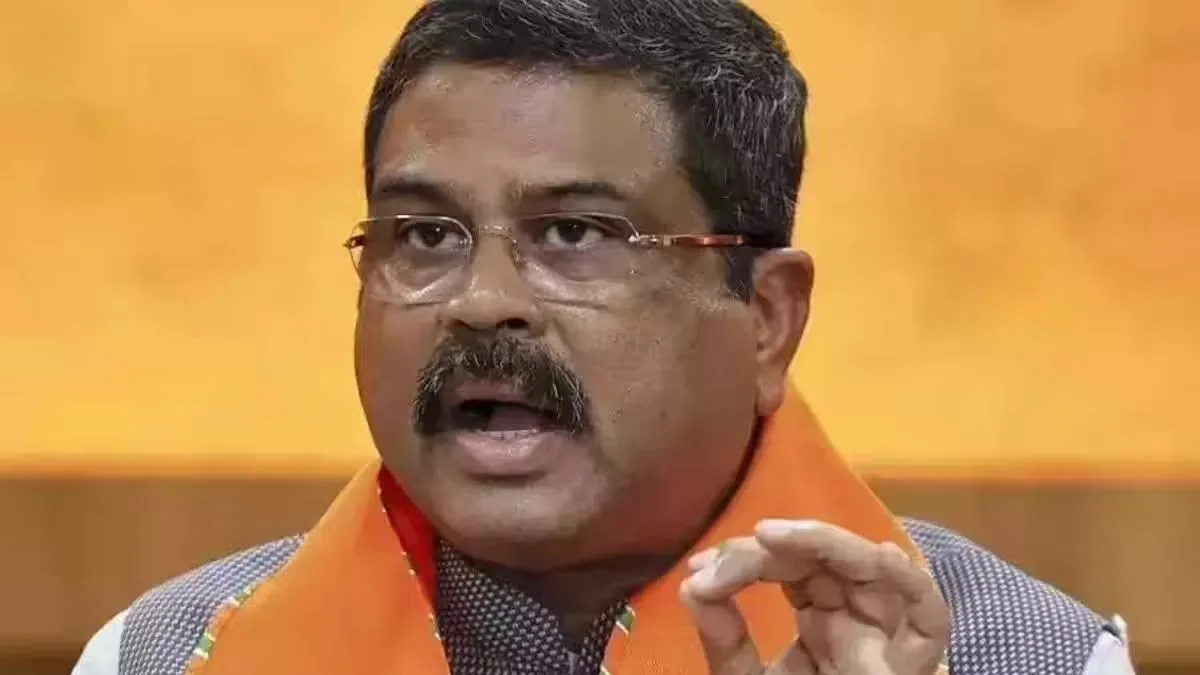
Manjinder Singh Sirsa (Photo: IANS)
Delhi Environment Minister on Wednesday said in a press statement that Automated Number Plate Recognition (ANPR) cameras have been installed at 494 of the city’s 500 fuel stations, with the remaining expected to be completed by July 1.
Once fully operational, the system will help authorities identify end-of-life vehicles and those without valid pollution certificates, both major contributors to the capital’s air pollution.
Advertisement
After the directions from the Commission for Air Quality Management (CAQM) in April this year, the Transport Department of the Delhi government notified all the fuel stations across Delhi to deny fuel to vehicles older than 10 years or 15 years. The fuel stations were asked to monitor the status of age of vehicles using the ANPR cameras.
Advertisement
The vehicles will not only be refused fuel but they will also have to face other legal actions outlined under the Motor Vehicles Act, 1989.
Besides the installation of the cameras at petrol pumps, Sirsa last month also directed immediate installation of ANPR cameras on border points to restrict the entry of the End-of Life Vehicles (ELV) into the city.
These advanced cameras will automatically capture incoming vehicle registration numbers, cross-check them against the VAHAN database, and identify whether the vehicle is legally permitted to enter.
With this advanced technology, vehicles’ registration details will be verified, and if found to be categorised as ELV, an alert message will be played through an LED display system. This will help prevent the defaulters from entering the state, offering slight relief to the pollution woes of the city.
Advertisement