Reserve Bank of India (RBI) Governor Sanjay Malhotra urged India’s fintech ecosystem to help shape a financial system which is inclusive, consumer-centric, trustworthy, efficient, truly global, and future-ready.
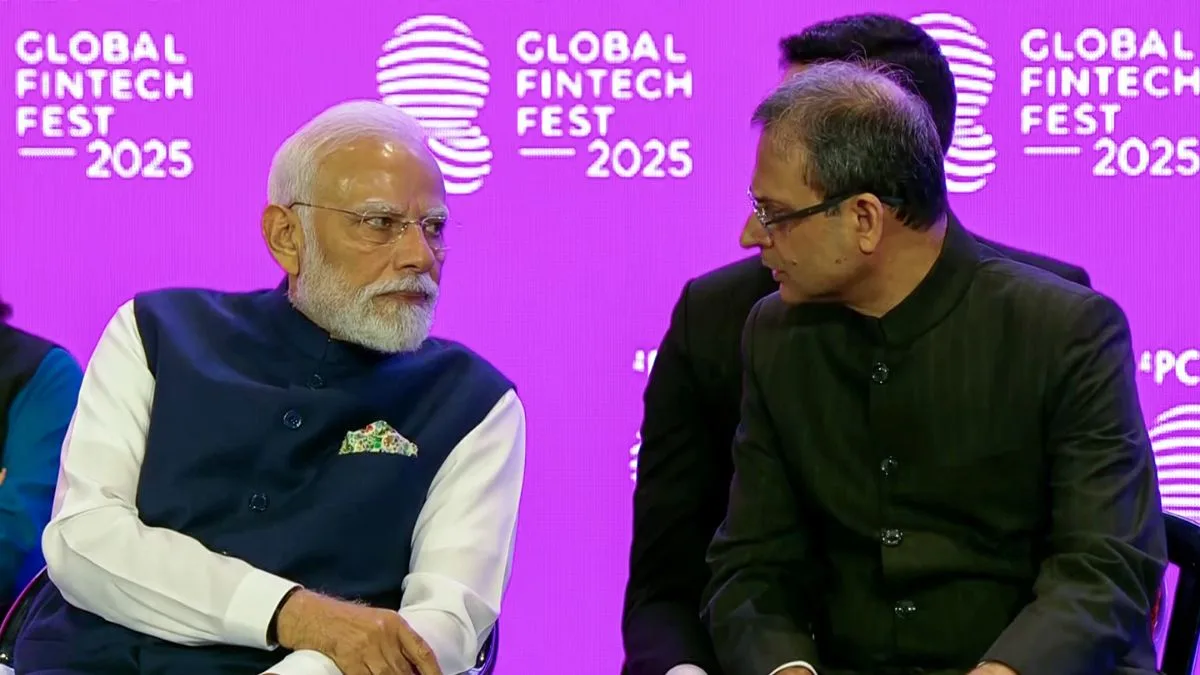
Speaking at the sixth edition of the Global Fintech Fest (GFF) 2025 at Jio Convention Centre in Mumbai on Thursday, Sanjay Malhotra said, “India’s world-class digital public infrastructure, as symbolised by systems such as UPI, Aadhaar and DigiLocker, has not only enhanced efficiency and service delivery but also ensured that millions of Indians enjoy easy access to a wide range of financial services.
Advertisement
“The UK global fintech hub also has a well-established ecosystem with deep expertise in payments, regtech, suptech and open finance. Its emphasis on robust governance has ensured that fintech growth has been both rapid and sustainable,” the RBI Governor said.
Malhotra stated that both the UK and India rank among the top jurisdictions in terms of the number of fintech startups and the scale of investments flowing into the sector. “They are home to some of the most vibrant and dynamic fintechs globally,” he added.
“Fintech is indeed a transformative force shaping our economies in both India and the UK by democratising finance and empowering citizens and businesses,” RBI Governor Malhotra said.
He also urged Indian fintech companies to focus on creating easy to use products to serve underserved sections of society in order to deepen financial inclusion. “Serving the privileged will be a lucrative business, but companies must focus on serving the underserved sections of society. Build for inclusion. There may be higher profits to be made by deepening access to the haves and the privileged, but prioritise building systems to expand financial services to the unaccessed, the unreached and the unserved segments of society,” he said.
Malhotra urged Indian fintech companies to design the products and services that are easy to use, accessible for all, with assistive technologies to ensure that vulnerable groups like senior citizens, individuals with limited digital literacy and the specially-abled are not left behind.