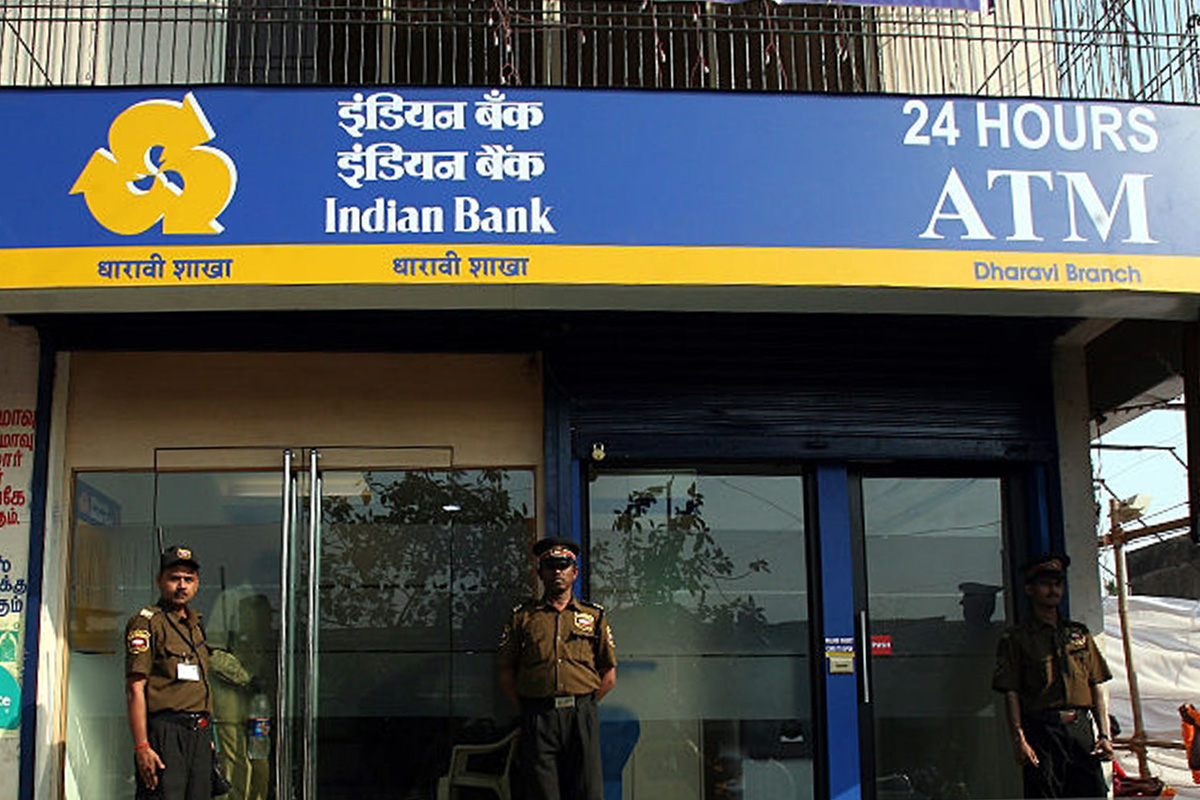
he new rates will be effected from September 3 (Thursday). (Photo: Getty)
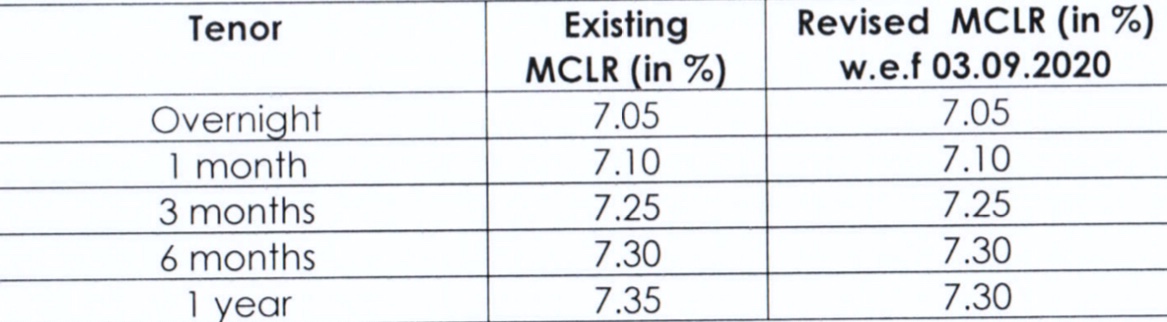
State-owned lender Indian Bank on Tuesday slashed its marginal cost of fund-based lending rate (MCLR) by 5 basis points for one-year tenure.
The bank in a regulatory filing, said, “We have to inform you that the Asset Liability Management Committee (ALCO) of the bank in its meeting held on date reviewed the existing Marginal Cost of Funds Based Lending Rates of the bank and decided to reduce the MCLR for one year Tenor by 05 basis points.”
Advertisement
The new rates will be effected from September 3 (Thursday), the filing added.
Advertisement
The bank has decided to reduce the MCLR for one-year tenure by 5 basis points to 7.30 per cent.
The reduction in MCLR will bring down burden on borrowers.
Most of the consumer loans such as personal, auto and home were priced on the basis of the one-year MCLR prior to the introduction of repo-linked lending rate (RLLR).
All new retail loans (housing, education, vehicle), credit to MSMEs are linked to RLLR now.
From October last year, the Reserve Bank of India (RBI) had mandated banks to link all new floating rate personal or retail loans and floating rate loans to MSMEs to an external benchmark. The central bank allowed banks to link their interest rates to repo rate or three-month or six-month treasury bill.
On Monday, the country’s second largest lender Punjab National Bank (PNB) had raised its RLLR by 15 basis points to 6.80 per cent, making loans costlier for new borrowers. However, PNB had slashed its base rate by 10 basis points to 8.80 per cent from 8.90 per cent. The revised lending rates will be effective from September 1, 2020, it had said.
India’s current account surplus moderated to $7.1 billion, or 0.7 per cent of GDP, in the fourth quarter (January-March) of financial year 2025-26, compared with $13.7 billion in the same period a year ago, according to the Reserve Bank of India’s latest Balance of Payments data.
The RBI maintained the status quo on interest rates and signalled confidence in India's ability to navigate global volatility despite geopolitical and market uncertainties.
Economists and market participants are closely tracking RBI's latest projections on inflation, growth and crude oil prices as the central bank unveils its policy verdict.