In the last five years, the Indian business ecosystem has strengthened and witnessed an increase of 27% in terms of number of active registered companies as it grew from 1.55 lakh in 2020-21 to 1.98 lakh in 2025-26 (as on 3 February 2026), as per the government data.
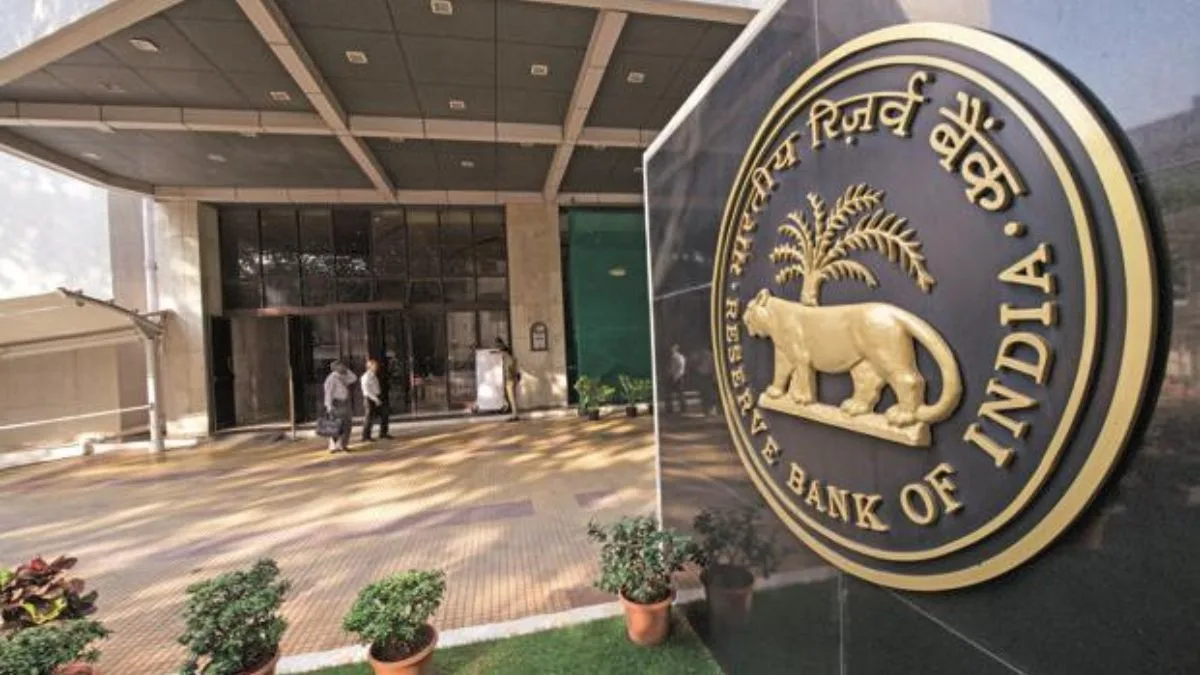
Further, the Reserve Bank of India (RBI’s) Business Expectations Index, which has consistently stayed above the neutral benchmark of 100 through FY 2024-25 and into July to September (Q2) of FY 2025-26, indicates positive sentiment regarding future output, employment, and investment.
Advertisement
Together, these indicators reinforce the continued resilience of industry sentiment and reflect a business environment where firms remain confident about demand and growth prospects.
In recent times, the government has launched multiple Ease of Doing Business (EoDB) initiatives fostering entrepreneurship, innovation, and wealth creation.
During the Union Budget 2026 the government has also announced measures promoting digital trade facilitation, tax certainty, reduced compliance and litigation, trust-based customs systems, and an investment-friendly tax regime.
In terms of startups, over 2.16 lakh startups have been recognised by DPIIT as of February 2026 making India stand firmly as one of the world’s largest startup ecosystems.
Further, credit guarantee schemes have also enhanced EoDB by providing collateral-free, or third-party guarantee-free, loans for MSMEs and startups.
Credit Guarantee Scheme for Micro & Small Enterprises (CGTMSE) has facilitated credit guarantees for credit support of up to Rs 10 crore to Micro and Small Enterprises (MSEs).
While the Credit Guarantee Scheme for Startups (CGSS) supported startups by providing credit guarantees; the revised framework has enhanced guarantee coverage, increasing the maximum limit from Rs 10 crore to Rs 20 crore per eligible borrower.
Further, the Credit Guarantee Scheme for Exporters (CGSE) provided for the additional collateral-free credit support of up to Rs 20,000 crore to direct and indirect exporter MSMEs.
The government has also introduced reforms in the insurance sector through the Sabka Bima, Sabki Raksha (Amendment of Insurance Laws) Act, 2025. The legislation raises the foreign direct investment limit to 100 per cent and simplifies regulatory requirements, aiming to expand capital availability and deepen insurance penetration.
Regulatory reforms are being complemented by efforts to reduce compliance burdens. The Reserve Bank of India has consolidated more than 9,000 circulars into 238 Master Directions to simplify regulatory guidance. Similarly, the Jan Vishwas Act and its proposed amendments seek to decriminalise hundreds of minor offences across multiple laws.
India’s insolvency framework has also been strengthened through the Insolvency and Bankruptcy Code, which has enabled the rescue of over 3,800 companies and helped creditors realise nearly Rs 3.99 lakh crore under resolution plans as of September 2025.
Additional reforms include the Securities Markets Code, rationalisation of the Minimum Alternate Tax framework, simplification of labour laws through four labour codes, expansion of quality control standards, and the Regulatory Compliance Burden initiative that has reduced more than 47,000 compliances.