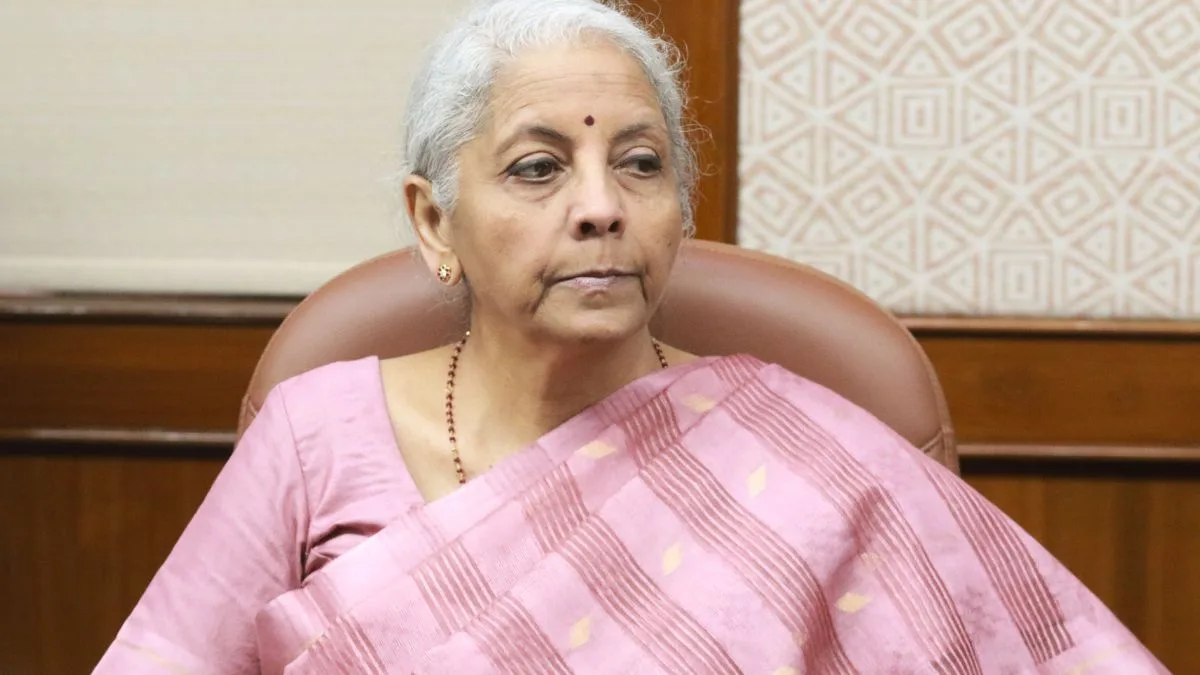
Amid the ongoing West Asia crisis that has led to global meltdown, Union Finance Minister Nirmala Sitharaman said India faces both external and internal challenges as it works toward the goal of a “Viksit Bharat”.
She further noted that factors like the monsoon remain key domestic concerns, and said the current year is likely to be more challenging due to the escalating conflict in the West Asia, which has heightened regional security concerns.
Advertisement
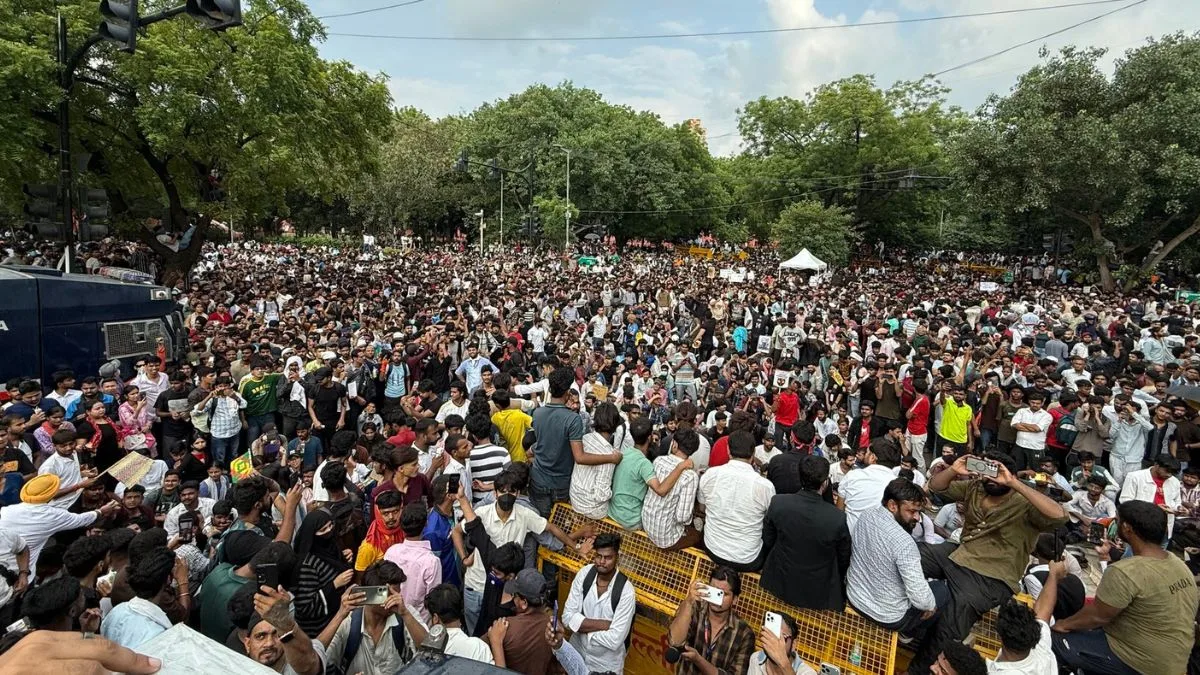
The Finance Minister described the West Asia conflict as having evolved into a “systemic tremor” that threatens vital arteries of global energy, and highlighted that the world economy is witnessing volatility, uncertainty, complexity, and ambiguity, adding that global public debt has surged.
“India stands out in debt management, with an overall debt-to-GDP ratio of 81 per cent, the lowest among major economies. The public borrowings will have to be managed smartly in view of global challenges,” she said.
Sitharaman further said India has fiscal space and room to expand capital expenditure, noting that the Reserve Bank of India has scope to cut interest rates and offer targeted support to affected sectors.
Sitharaman also signalled that the Reserve Bank of India has room to lower interest rates and extend targeted support to sectors facing stress, even as it navigates a challenging global environment. “RBI will cut interest rates and has room to offer targeted support to affected sectors,” she said.
While speaking on the broader context, the finance minister said public borrowing strategies would need to be smart in light of global headwinds.
She pointed out that India’s growth vision under Viksit Bharat must contend with both external uncertainties and domestic variables such as the monsoon.
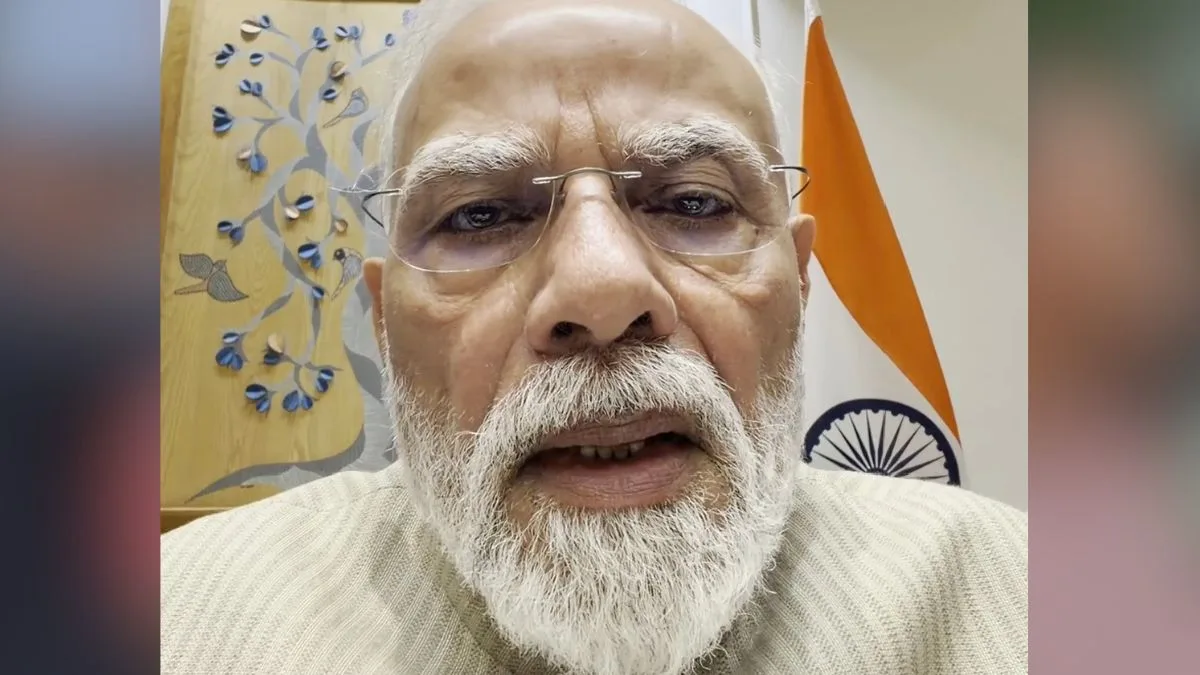
High crude oil prices due to the Iran War are proving out to be a key challenge for the Indian economy.
In its latest report, CareEdge Ratings has noted that if crude oil prices average around $100 per barrel, India’s GDP growth for FY27 could decline to 6.5 per cent. Inflation is expected to rise above 5 per cent, reflecting the impact of higher energy costs on the economy.