“Priya Ranjan Dasmunsi was the tallest Congress leader in West Bengal. Sadly, he is no longer among us. Had he been alive, he could have transformed the political landscape of Bengal ~ he might even have been the Chief Minister today.”
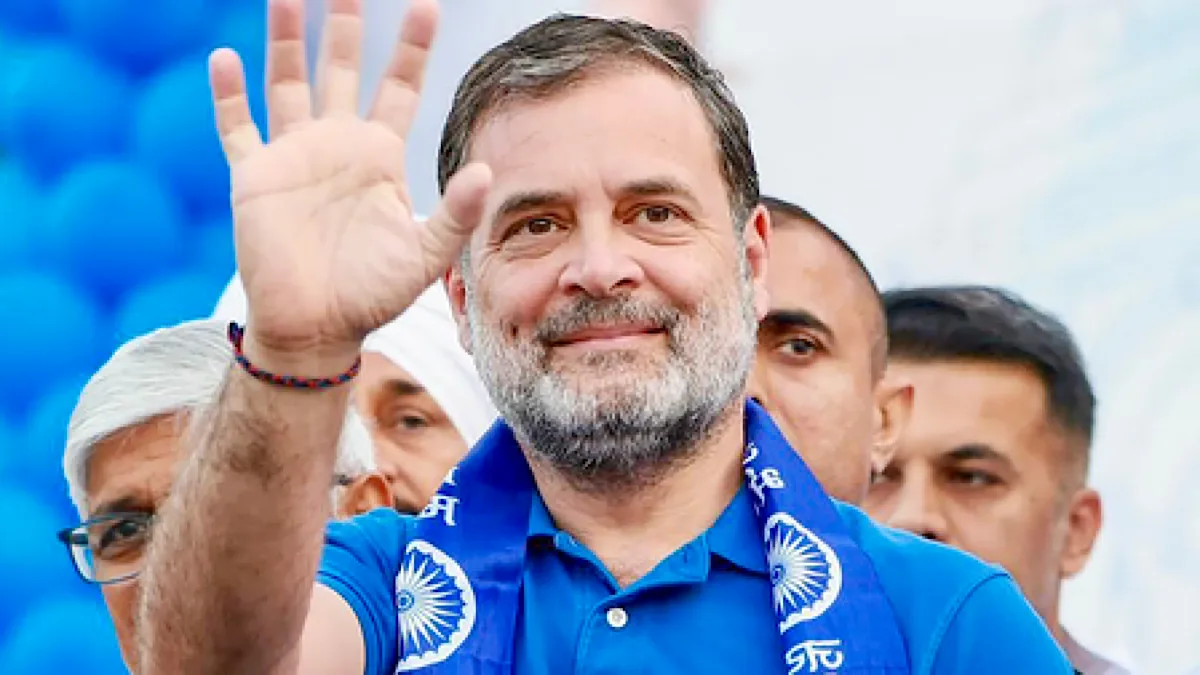
With these emotionally charged words, Congress leader Rahul Gandhi on Tuesday concluded his address at an election rally in Raiganj, in North Bengal, striking a rare sentimental note amid an otherwise politically charged speech.
Advertisement
Recalling the legacy of late Congress stalwart Priya Ranjan Dasmunsi, Gandhi said his absence continues to be deeply felt within the party and in the state’s political space. His remarks came following an evocative introduction by Dasmunsi’s wife, Deepa Dasmunsi, who revisited memories of Gandhi’s earlier visit to the same venue years ago when her husband was still active in politics.
“You had come to this very stadium during an election campaign when Priya Ranjan Dasmunsi was alive. Today, you have returned to the same ground, but now carrying the responsibility of the party,” she said, setting a reflective tone for the gathering.
The emotional recall briefly shifted the mood of the rally, with Gandhi acknowledging Dasmunsi’s contribution and stature in Bengal politics. However, the tone soon turned political, with both leaders launching sharp attacks on their opponents.
Deepa Dasmunsi flagged what she described as “two fears” gripping Bengal ~ religious polarisation by the BJP and alleged corruption, unemployment, and irregularities under the Trinamul Congress government. Referring to welfare schemes, she said: “Providing financial assistance to Lakshmir Bhandar to women is welcome, but there must also be employment opportunities for their sons.”
Gandhi, too, raised concerns over women’s safety and referred to recent incidents including the RG Kar issue in the state, while targeting both the Centre and the state government. “As much as Narendra Modi is associated with corruption, the Chief Minister is no less,” he alleged.
Blending emotion with political attack, the Raiganj rally reflected both a nostalgic look at the past and an intense contest shaping the present political narrative in West Bengal.