ECI holds first All-India Media Conference to enhance understanding of electoral process
ECI holds first All-India Media Conference to enhance understanding of electoral process
The Election Commission of India has stepped up its preparedness to ensure a free and peaceful West Bengal Assembly election, announcing the deployment of a large number of observers across the state ahead of polling.




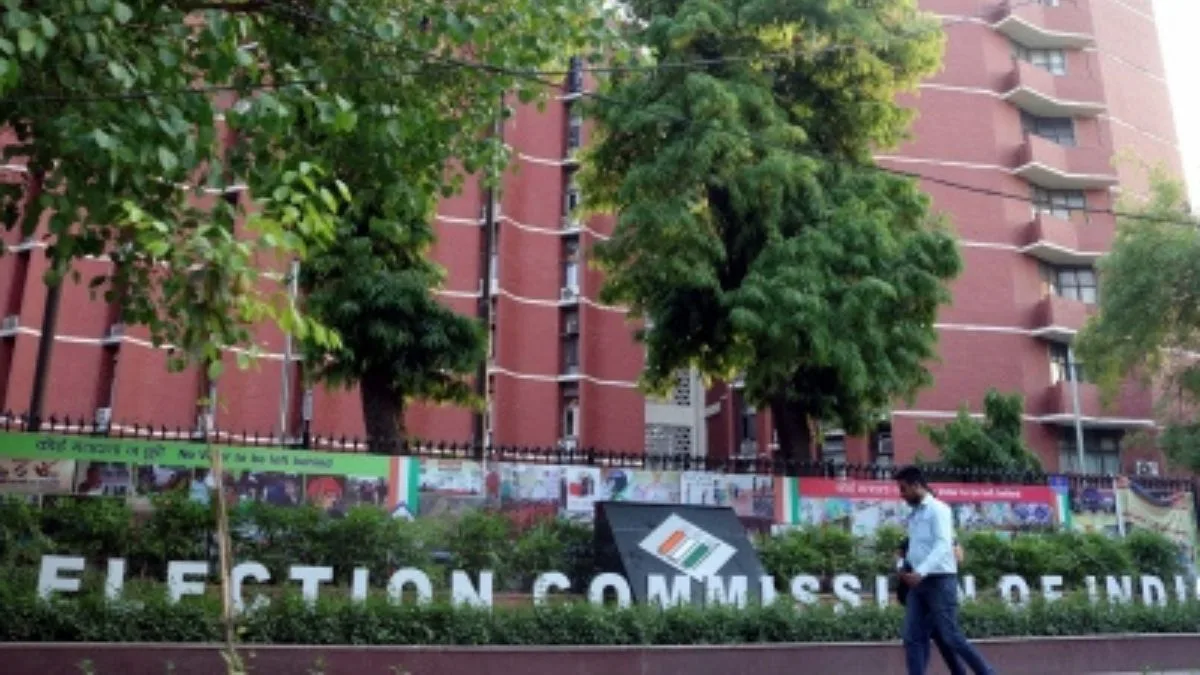
File Photo: IANS
The Election Commission of India has stepped up its preparedness to ensure a free and peaceful West Bengal Assembly election, announcing the deployment of a large number of observers across the state ahead of polling.
In a significant move, as many as 84 police observers from outside the state will be stationed in West Bengal before the elections. These officers are being drawn from several states, including Bihar, Telangana, Delhi and Punjab, in an effort to maintain neutrality and strengthen the security apparatus.
Advertisement
Apart from police observers, the commission has also appointed one general observer for each of the state’s 294 Assembly constituencies. This takes the total number of general observers to 294, marking a substantial increase compared to the previous Assembly polls. The commission has further bolstered its oversight mechanism by increasing the number of expenditure observers.
Advertisement
Around 100 such officials have been tasked with monitoring election-related expenses to ensure strict adherence to the model code of conduct. According to an official notification, all observers have been instructed to assume charge from 18 March. They are expected to reach their respective constituencies and begin work immediately. Once in position, the observers will share their contact details, enabling candidates and members of the public to lodge complaints directly.
The upcoming Assembly election in West Bengal will be held in two phases. Polling for the first phase is scheduled on 23 April, followed by the second phase on 29 April. Counting of votes will take place on 4 May, along with results for other states going to the polls. Ensuring a peaceful election remains a major challenge for the ECI, given the state’s history of electoral violence and intense political rivalry.
However, Chief Election Commissioner Gyanesh Kumar has reiterated that the poll panel is committed to conducting free, fair and peaceful elections. Sources indicated that the observers will play a crucial role not only in overseeing the conduct of polling but also in monitoring the deployment and functioning of central forces. They will keep a close watch on law and order, potential intimidation, and any irregularities during the electoral process. The enhanced deployment of observers, particularly from outside the state, is seen as a strategic step to reinforce transparency and accountability. With multiple layers of supervision in place, the commission aims to instil confidence among voters and stakeholders ahead of the high-stakes electoral contest.
Advertisement