Bus carrying nearly 40 Amarnath pilgrims crashes in J&K’s Ganderbal; police begin probe
The vehicle was carrying nearly 40 pilgrims when it left the road near Hariganiwan. Police, disaster-response teams and residents joined the rescue operation.
The delegation visited leading commercial nurseries, biological crop protection companies and research institutions, where it explored disease-free planting material production, integrated pest management, modern orchard mechanisation and potential research collaborations to strengthen the Union Territory’s horticulture sector.





Javid Ahmad Dar
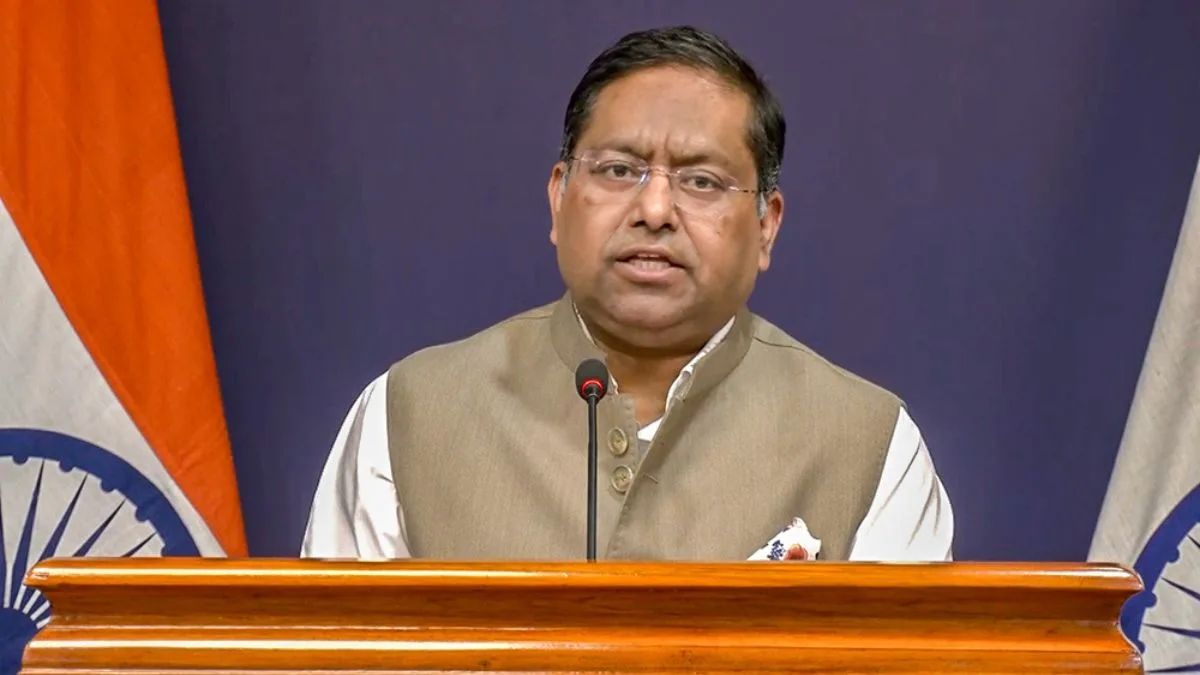
Jammu and Kashmir has moved to modernise its horticulture sector by drawing on European expertise, with Agriculture Minister Javid Ahmad Dar leading a high-level delegation to Europe to study advanced nursery systems, precision orchard technologies and sustainable farming practices aimed at boosting fruit production and reducing dependence on imported planting material.
The delegation visited leading commercial nurseries, biological crop protection companies and research institutions, where it explored disease-free planting material production, integrated pest management, modern orchard mechanisation and potential research collaborations to strengthen the Union Territory’s horticulture sector.
Advertisement
Since much of the high-density apple planting material used in Kashmir is sourced from Europe, the delegation studied nursery management, traceability systems and phytosanitary protocols to help strengthen local production and gradually reduce reliance on imported planting stock.
Advertisement
The delegation comprised Vikas Anand, Director Horticulture, Kashmir; Nodal Officer, JKCIP/HADP; Professor Haroon Rashid Naik, former Director Research, SKUAST-Kashmir; and Dr A. Raouf Malik, Principal Investigator, HADP and Expert Member.
An official said that a first-hand understanding of the nursery production system, quality control mechanisms, certification standards and traceability practices adopted in Europe will help the government strengthen the domestic nursery infrastructure, improve the quality of locally produced planting material and progressively reduce dependence on external sources while ensuring the availability of superior planting stock for growers.
The delegation also visited Koppert Biological Systems, where discussions focused on biological crop protection, integrated pest management (IPM), bio-inputs and other sustainable horticultural practices.
The exposure is expected to accelerate the adoption of environmentally sustainable technologies, reduce dependence on chemical pesticides and promote climate-smart horticulture across Jammu and Kashmir.
As part of the technical programme, the delegation also examined the state-of-the-art horticultural machinery designed for nursery operations, precision orchard management, planting, pruning, spraying, harvesting and post-harvest handling. The technologies evaluated have considerable potential to improve productivity, reduce production costs, enhance labour efficiency and promote greater mechanisation of the horticulture sector.
The delegation further visited internationally acclaimed research and breeding institutions engaged in apple and temperate fruit improvement. Discussions centred on developing long-term collaborations between SKUAST-Kashmir, the Department of Horticulture and European institutions in areas such as germplasm exchange, advanced breeding technologies, genomics, climate-resilient fruit production, precision horticulture, nursery development, researcher exchange, capacity building and joint research initiatives.
Minister Javid Ahmad Dar said that the study visit marks an important milestone in the government’s efforts to position Jammu and Kashmir as a globally competitive horticulture hub. The Minister informed that the expert members of the delegation will prepare a comprehensive post-visit roadmap incorporating the key learnings from the exposure programme. The report will include actionable recommendations and a phased implementation strategy for adoption under HADP, JKCIP and other flagship initiatives to facilitate the introduction of globally proven technologies and best practices across the Union Territory.
Advertisement