Bengal to formulate startup policy after tabling industrial policy by August 15: Swapan Dasgupta
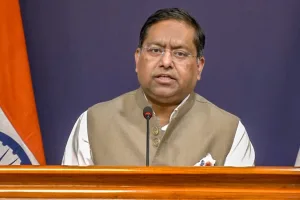
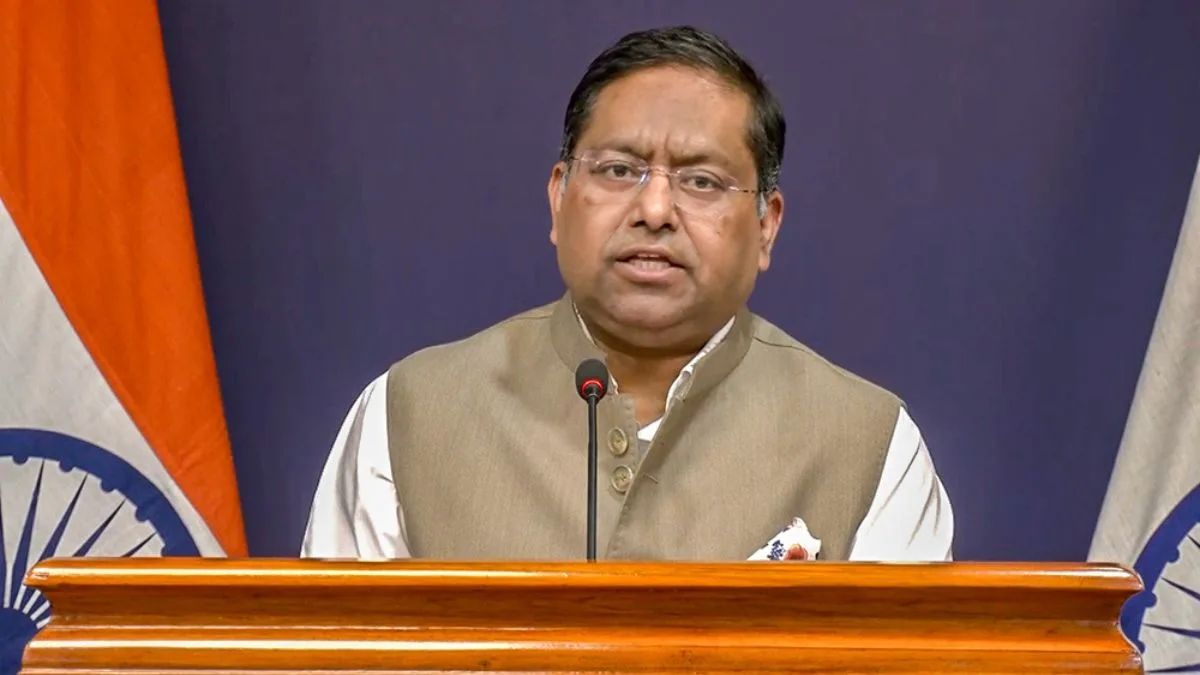
"People do not want to take risks in Bengal because government jobs are lucrative," West Bengal Finance Minister Swapan Dasgupta said.
Swapan Dasgupta said West Bengal had fallen behind states such as Odisha and Assam in attracting investment, but added that the situation is changing.




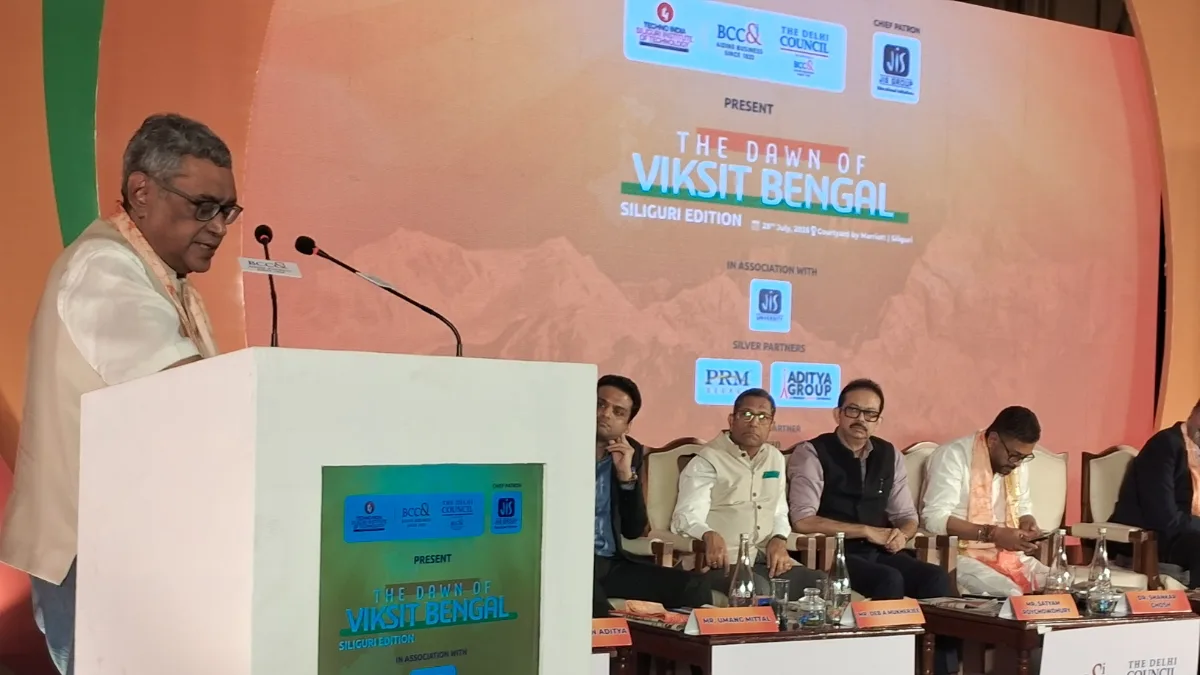
Photo: SNS
West Bengal Finance Minister Swapan Dasgupta on Tuesday said Siliguri has the potential to emerge as a knowledge city for education, citing its strategic location, favourable climate and growing opportunities for investment.
Addressing an Entrepreneurs’ Meet showcasing ‘The Dawn of Viksit Bengal’, organised by the Bengal Chamber of Commerce and Industry (BCCI) in Siliguri, the minister said North Bengal is poised for faster economic growth, with Siliguri playing a pivotal role because of its locational advantage in the strategically important Chicken’s Neck corridor.
Advertisement
Dasgupta said West Bengal had fallen behind states such as Odisha and Assam in attracting investment, but added that the situation is changing. Stressing the importance of political commitment, he said, “Where there is ‘political investment’ (will), there is a way,” adding that improved governance and policy stability have strengthened investor confidence.
Advertisement
The minister acknowledged the state’s debt burden of around Rs 8 lakh crore but said the government remains committed to creating an ecosystem conducive to industrial growth. He admitted that West Bengal had once been perceived as unfriendly to business because of political unrest, extortion, syndicate culture and cut-money practices.
“Today, there is a renewed sense of confidence. There is no confrontation between the state and the Centre. A political and cultural transformation has taken place, and this is the time to move forward,” he said.
Highlighting North Bengal’s traditional strengths of tea, timber and tourism, Dasgupta warned that the tea industry was “brewing in crisis” and stressed the need to prevent the sector from going the way of the jute industry. He called for stronger branding and closer coordination among producers, buyers and retailers to ensure its long-term sustainability. He also urged stakeholders to explore non-traditional industries to diversify the region’s economy.
He said land availability for industry is comparatively better in North Bengal than in the southern parts of the state, making the region attractive for fresh investments. He also emphasised the need to balance industrial development with environmental protection.
On industry’s demand for a single-window clearance mechanism, Dasgupta said its success would depend on better coordination among government departments and a proactive bureaucracy capable of facilitating investments efficiently.
Delivering the keynote address, industrialist Harshvardhan Neotia described the present political situation as a rare opportunity, noting that after nearly five decades, the same political party is in power both at the Centre and in West Bengal.
Mr. Neotia said investors expect a stable law-and-order situation, policy clarity, policy consistency, an efficient single-window clearance system, quality infrastructure and reforms in land-related regulations. These, he said, are the key foundations for sustained industrial investment.
Representatives of the Bengal Chamber of Commerce and Industry expressed optimism over North Bengal’s growth prospects, saying the region has the potential to emerge as a major investment destination with significant opportunities in tourism, horticulture, MSMEs and allied sectors.
Advertisement