The NDA widened its parliamentary coordination on Tuesday as lawmakers associated with the Nationalist Citizens Party of India attended the ruling alliance’s weekly strategy meeting for the first time.
The meeting, called ‘Mangal Milan’, was held as the government prepared to take forward the Public Examinations (Prevention of Unfair Means) Amendment Bill, 2026. The Opposition, meanwhile, has continued to press Union Home Minister Amit Shah for accountability over the alleged police action against protesting students.
Advertisement
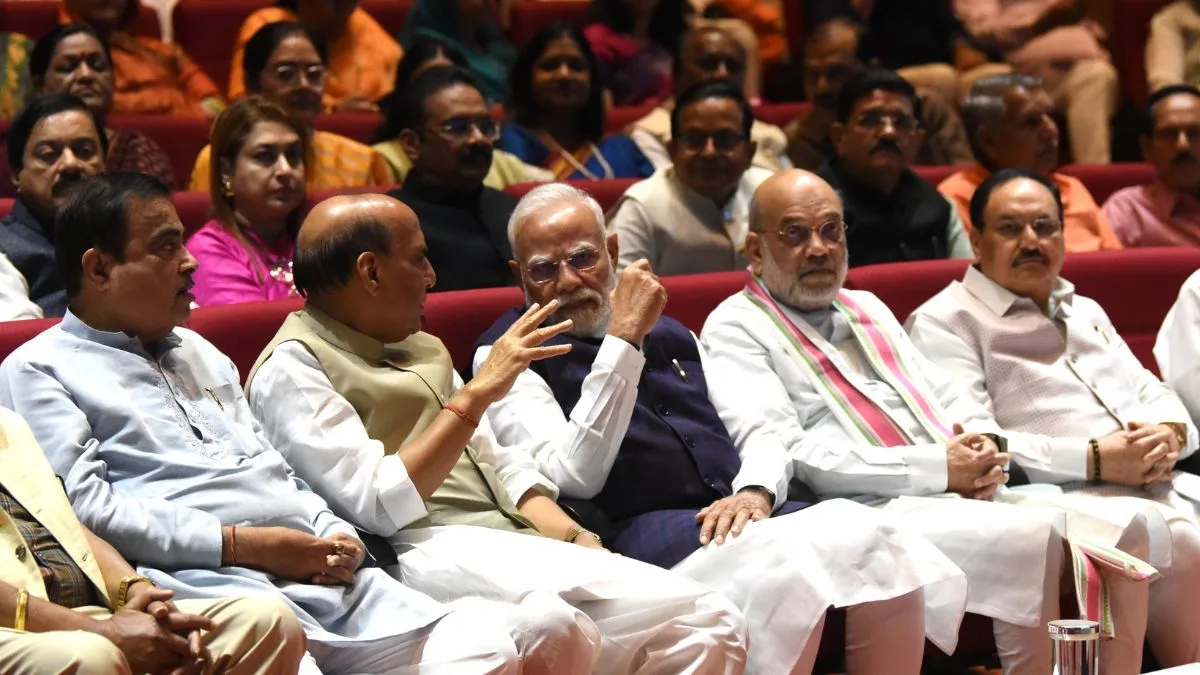
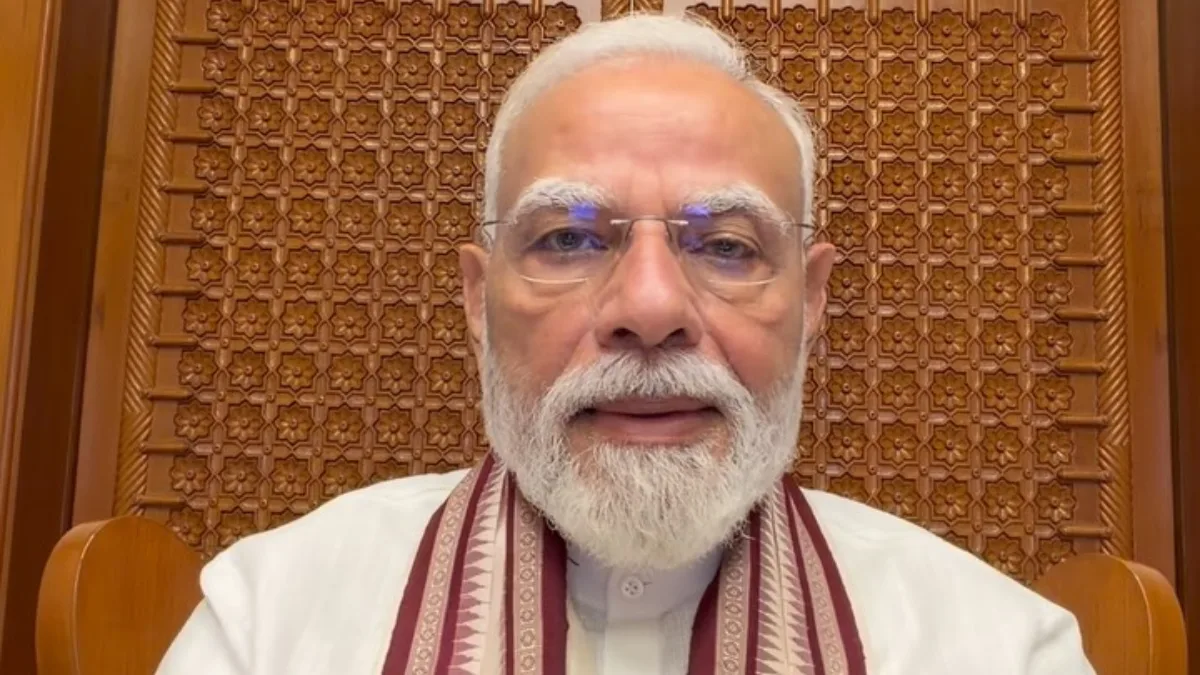
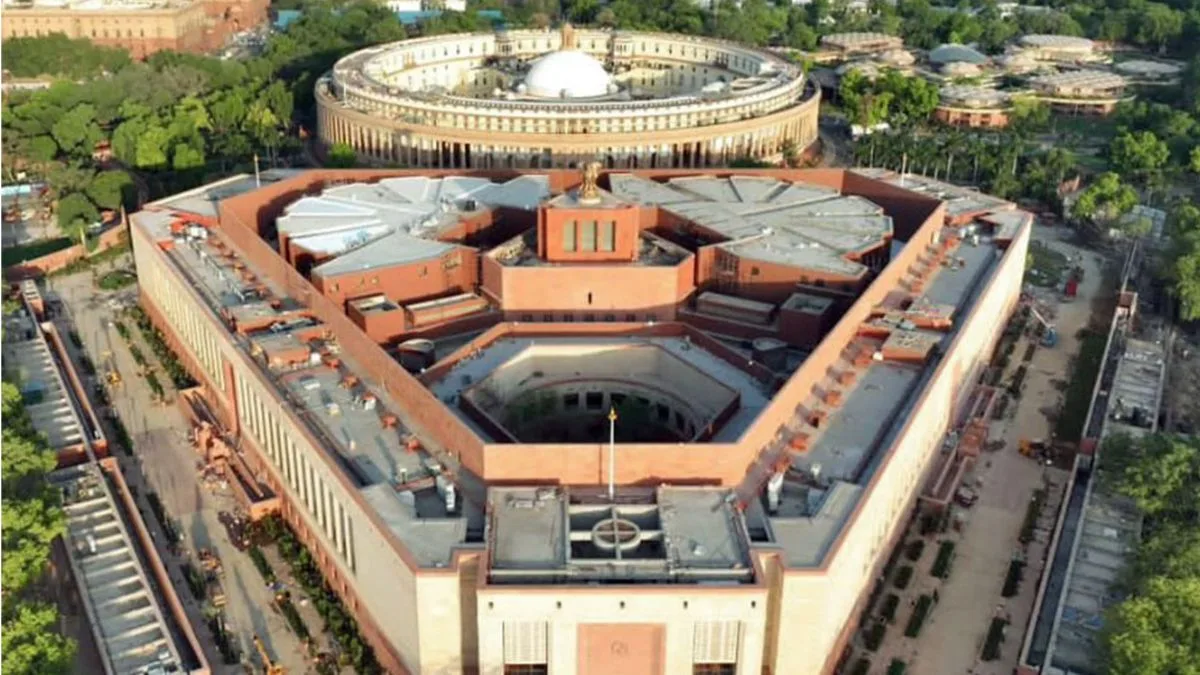
Prime Minister Narendra Modi attended the meeting at the GMC Balayogi Auditorium in the Parliament Library Building.
Union Home Minister Amit Shah, Defence Minister Rajnath Singh, Parliamentary Affairs Minister Kiren Rijiju, Education Minister Pralhad Joshi and Minister of State Jitendra Singh were among the senior leaders present.

NCPI lawmakers attend NDA meeting for first time
The participation of NCPI MPs was the key political development at Tuesday’s meeting.
The lawmakers were previously associated with the Trinamool Congress and are now part of the NCPI grouping. Their presence brought the breakaway bloc into the NDA’s formal parliamentary consultation mechanism for the first time.
The NCPI’s participation comes during a turbulent Monsoon Session, with examination reforms and the alleged use of force against student protesters dominating proceedings inside and outside Parliament.
The meeting was also expected to discuss floor coordination, the allocation of speaking roles and the participation of alliance MPs in the debate on the examination Bill.
Members from the BJP and allies such as the Janata Dal (United), Telugu Desam Party, Shiv Sena, Nationalist Congress Party, Apna Dal and Lok Janshakti Party (Ram Vilas) were expected to take part in the discussion.
NDA plans floor strategy for anti-paper leak Bill
The Public Examinations (Prevention of Unfair Means) Amendment Bill was introduced in the Lok Sabha on Monday by Minister of State Jitendra Singh.
Its introduction was accompanied by sustained Opposition sloganeering, which disrupted proceedings in the House.
The proposed law seeks to strengthen the Public Examinations (Prevention of Unfair Means) Act, 2024, through tougher penalties and faster investigation and trial of examination malpractice cases.
It proposes that investigations be completed within two months. States and Union Territories would be required to designate Special Fast Track Courts for day-to-day hearings.
Trials would have to be completed within three months of the filing of the chargesheet. The Bill also provides for Special Public Prosecutors and a time-bound appeals process before a two-judge High Court Bench.
Punishments would vary according to the nature of the offence.
For individuals found using unfair means, the proposed punishment ranges from five to 10 years in prison, with a fine of up to Rs 50 lakh. Higher financial penalties are proposed for service providers, their managerial personnel and those involved in organised examination fraud.
The maximum fine in organised crime cases could reach Rs 10 crore.
Opposition seeks accountability over student protest action
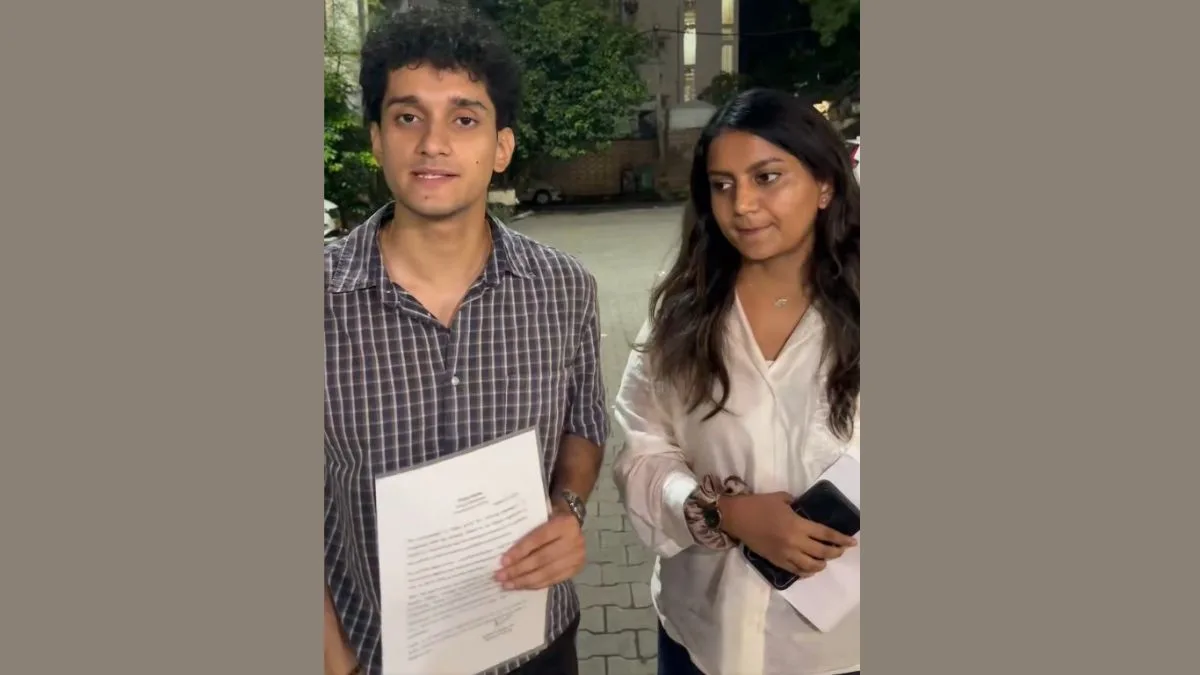
The NDA’s strategy session took place as the Opposition prepared to challenge the government over the alleged police action during the July 20 ‘Sansad Chalo’ protest.
Opposition parties have sought a response from Amit Shah and questioned whether the proposed amendments would adequately address paper leaks and organised examination fraud.
The government has maintained that the legislation is intended to protect candidates and restore confidence in the examination system.
At the previous ‘Mangal Milan’ meeting on July 21, PM Modi said the government “stands with the students” and described paper leaks as a national concern that should not be politicised.
The weekly meetings are used by the NDA to coordinate its floor strategy, distribute speaking responsibilities among alliance partners and build consensus on legislation during Parliament sessions.