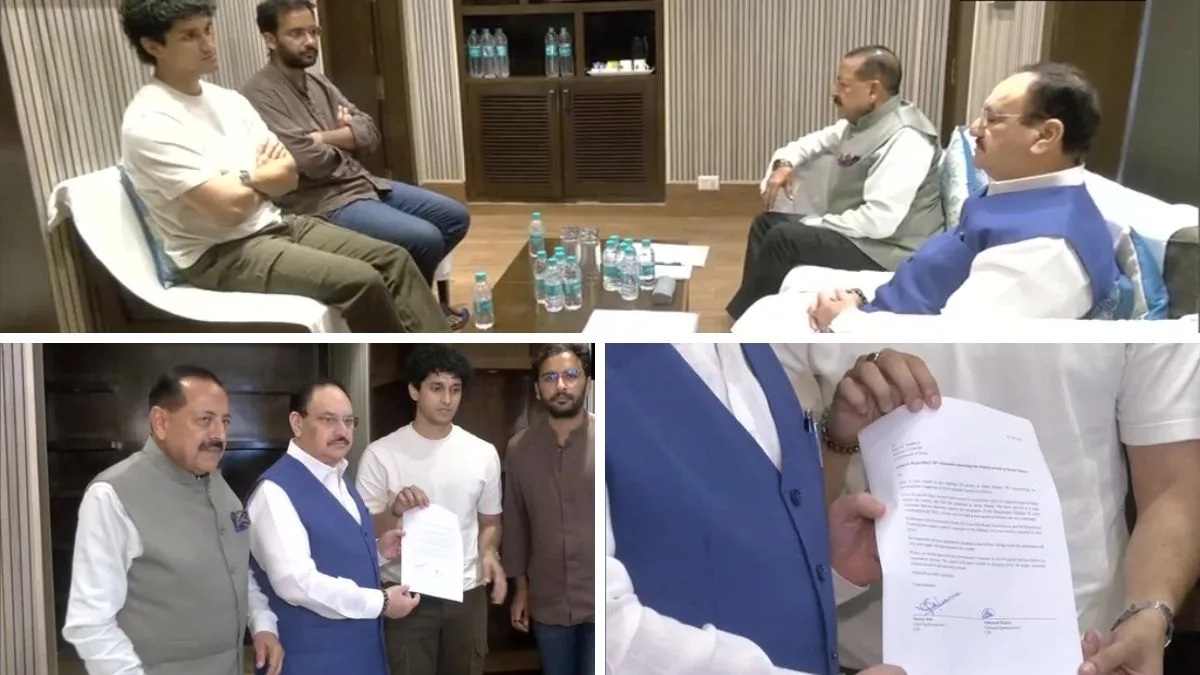
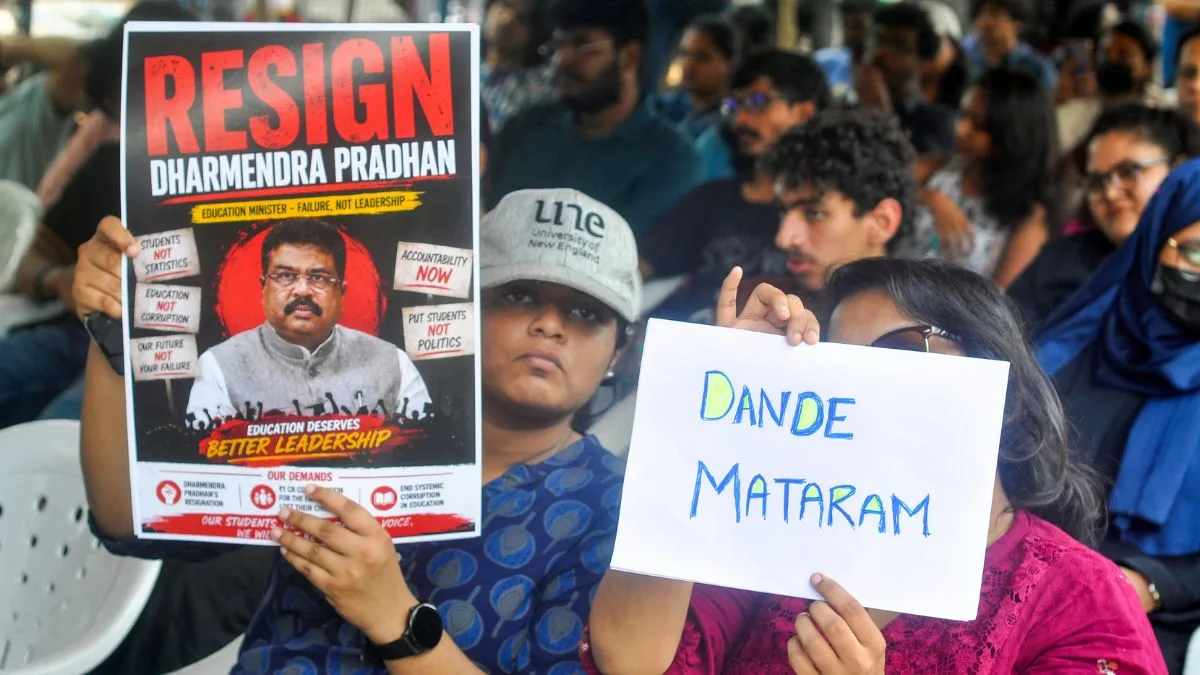
The Cockroach Janta Party (CJP) on Friday claimed that the Centre has sought time till Saturday afternoon to respond to its demand for Union Education Minister Dharmendra Pradhan’s resignation following nearly two hours of talks with Union ministers JP Nadda and Jitendra Singh in New Delhi.
According to the party, the government also expressed in-principle approval for two other demands — compensation for the families of NEET aspirants who died by suicide and withdrawal of FIRs and other legal cases registered against protesting students.
Advertisement
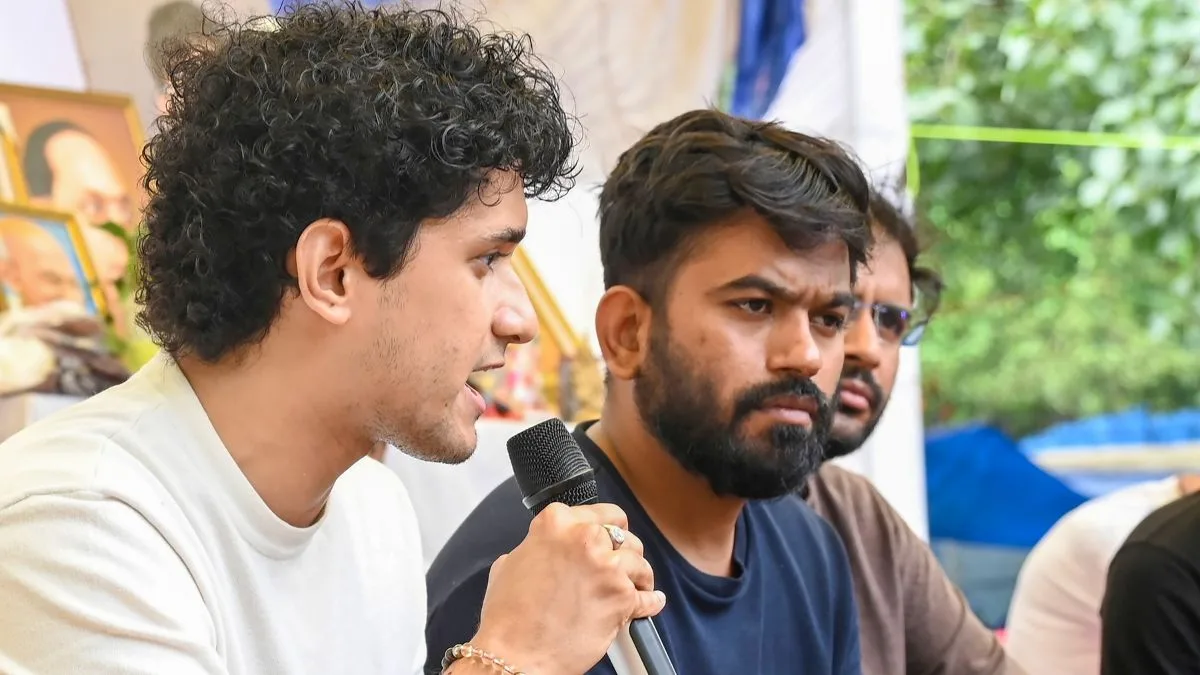
Speaking to reporters after the meeting, CJP national spokesperson Ashutosh Ranka said the government had asked for more time before taking a call on the demand for Pradhan’s resignation.
“The government has asked for time till tomorrow afternoon on our demand for Dharmendra Pradhan’s resignation. We hope the government will remove him soon,” Ranka said.
CJP claims Centre agreed in principle to two demands
Ranka said the Centre had conveyed in-principle approval for two demands raised by the party.
These include compensation for the families of NEET aspirants who allegedly died by suicide and withdrawal of FIRs and other legal proceedings initiated against students participating in the protests.
“The government has expressed in-principle approval on the two demands of compensation for families of NEET aspirants who died by suicide and withdrawal of FIRs and legal cases on students,” he said.
The CJP, however, maintained that its principal demand remains the resignation of Union Education Minister Dharmendra Pradhan.
Talks follow Wangchuk ending hunger strike
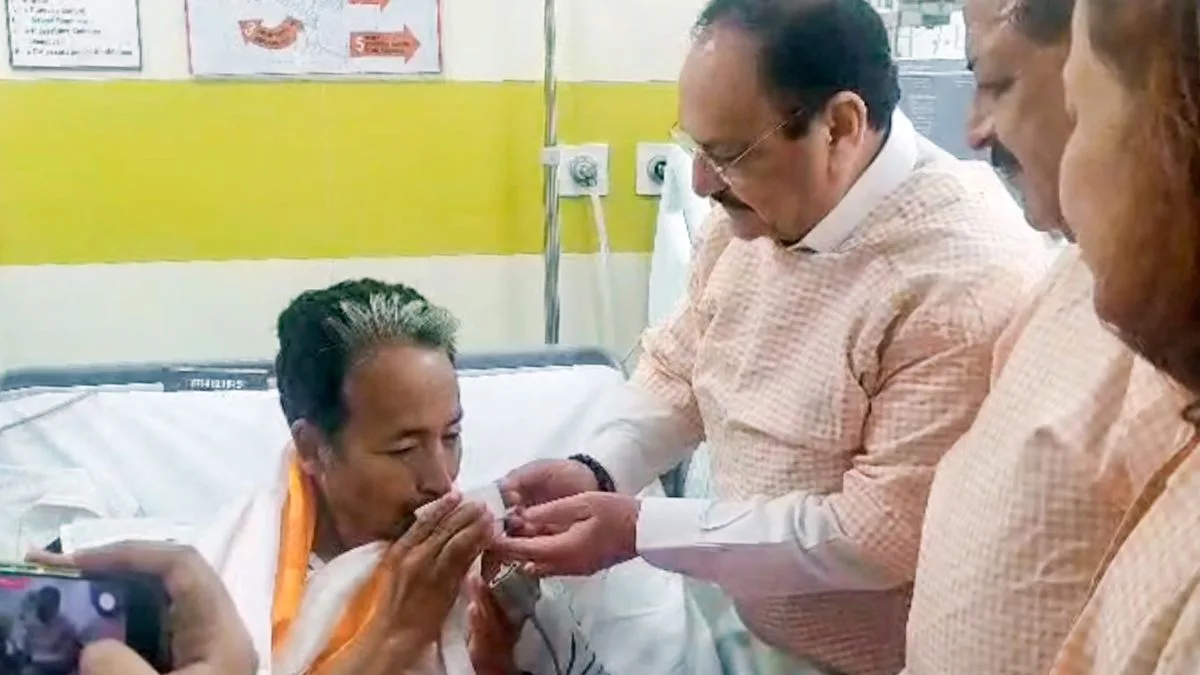
The meeting came a day after social activist Sonam Wangchuk ended his 26-day hunger strike after receiving a written assurance from the Union government on issues related to the NEET examination controversy and reforms to the country’s competitive examination system.
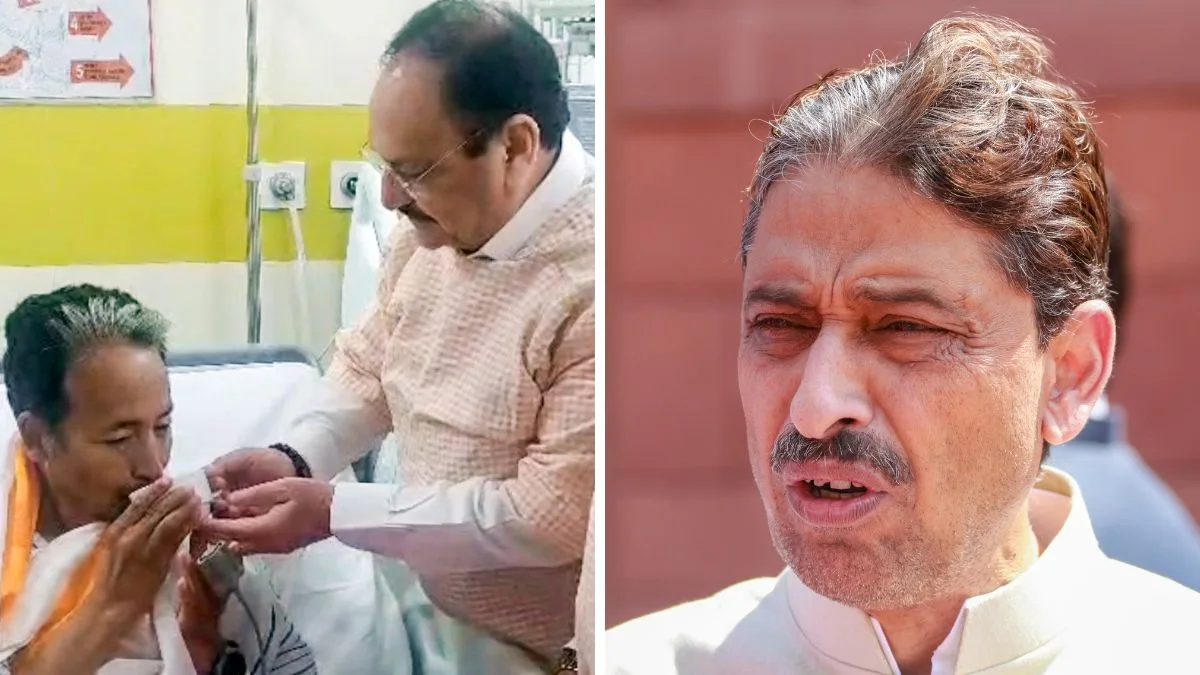
Wangchuk ended his fast at Medanta Hospital in the presence of Union ministers JP Nadda and Jitendra Singh.
The CJP had agreed to hold talks after the government reportedly accepted two preconditions — that no legal action would be taken against peaceful protesters and that compensation would be provided to families affected by the alleged examination irregularities.