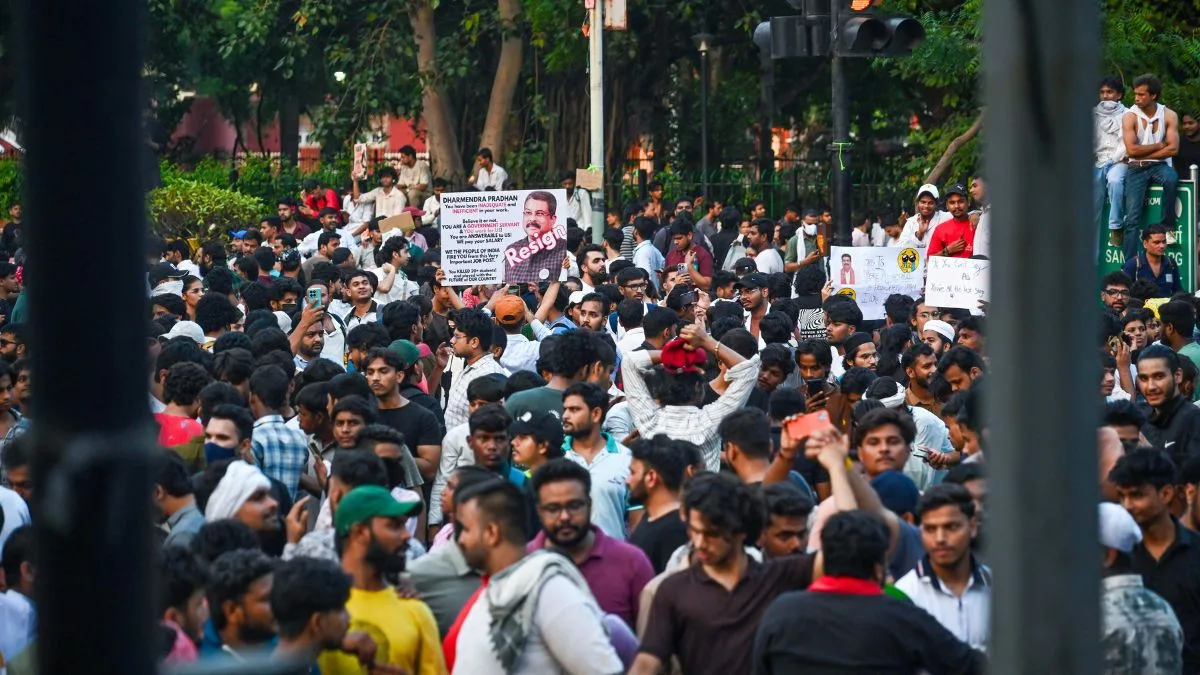
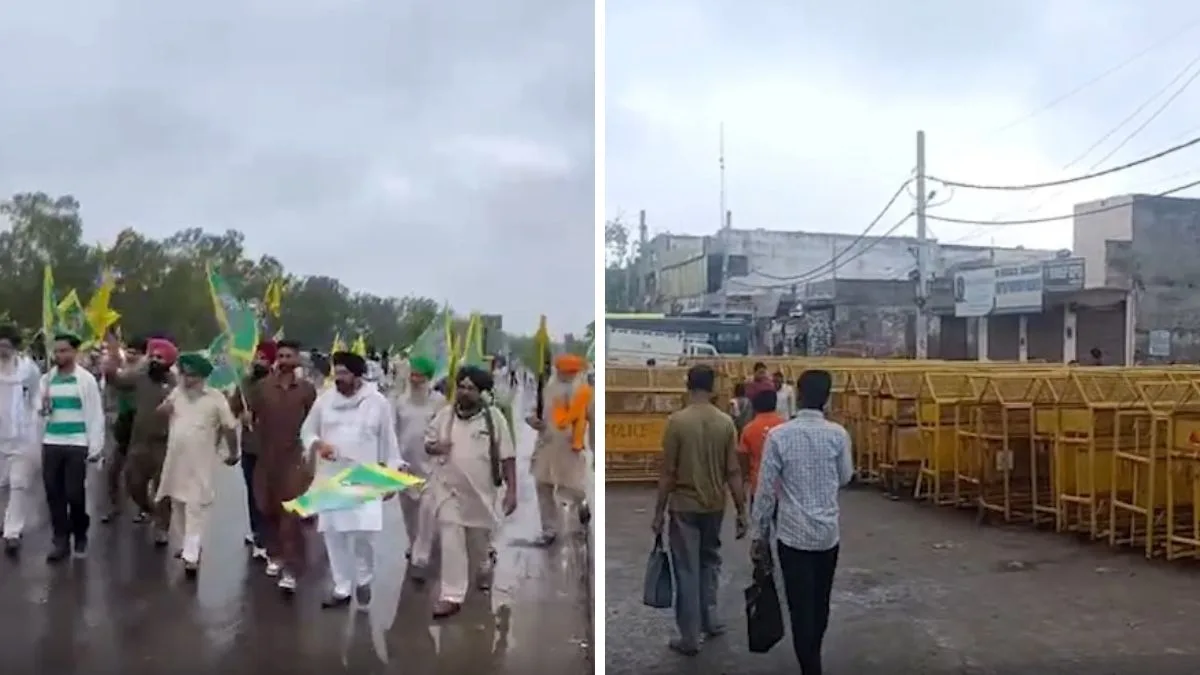
The barricading of the Shambhu border in Haryana to prevent farmers from travelling to Delhi raises a question larger than the protest itself. A government is entitled to regulate demonstrations and protect public order. But when citizens seeking to oppose an important economic policy are prevented from reaching the national capital even before a peaceful gathering can take place, regulation begins to resemble pre-emption of dissent.
Farm organisations from Punjab and Haryana are protesting against the proposed India-US trade arrangement because they fear greater access for American agricultural products could expose Indian cultivators to competition that they are poorly equipped to withstand. Their apprehension cannot simply be dismissed as resistance to reform. American agriculture operates with enormous scale, sophisticated supply chains and substantial government support. Indian farming, by contrast, sustains millions of small and marginal cultivators whose ability to absorb prolonged price shocks is limited. That does not establish that a trade agreement with Washington will necessarily damage Indian agriculture.
Advertisement
Much depends on precisely which products receive greater market access, how tariffs are reduced, what safeguards remain available and whether politically sensitive sectors are protected. Trade agreements inevitably involve concessions in return for gains elsewhere. India may secure valuable opportunities for exports, investment and technology even while opening parts of its domestic market. The problem is that such economic arguments require transparency. Farmers cannot reasonably be expected to accept assurances when they do not know enough about commitments that may affect their livelihoods.
Nor should consultation begin after negotiations have effectively determined the choices available. Those who bear concentrated costs from economic policy deserve a voice before decisions become difficult to reverse. This is where the attempt to restrict the Delhi mobilisation becomes politically counterproductive. India has already experienced the consequences of introducing major agricultural reforms without first building sufficient consent. The three farm laws enacted in 2020 triggered a year-long agitation before being repealed in 2021. Whatever one’s view of those laws, the episode demonstrated that technically defensible reform can become politically unsustainable when consultation is perceived as inadequate.
There is also an important distinction between managing a protest and preventing one. Authorities may legitimately impose conditions concerning routes, numbers, security and public inconvenience. But detentions, highway barricades and restrictions on movement should remain exceptional measures justified by credible threats, not routine instruments for keeping organised dissent away from Delhi. The government has a stronger argument available than barricades. It can disclose what agricultural concessions are actually contemplated, explain the safeguards negotiated for vulnerable sectors and engage farmer organisations on specific concerns.
If claims that Indian agriculture faces unacceptable exposure are exaggerated, transparency will make that evident. A durable trade agreement needs more than diplomatic signatures. It needs domestic legitimacy. India cannot negotiate effectively with the United States by allowing every pressure group a veto, but neither can it treat those who fear bearing the costs as obstacles to be contained. Economic openness and democratic openness must advance together.







![‘Beginning of accountability’: Sonam Wangchuk reveals 3 written assurances from Centre before ending fast [VIDEO]](https://www.thestatesman.com/wp-content/uploads/2026/07/Sonam-Wangchuk-1-1-300x200.webp)
![‘Beginning of accountability’: Sonam Wangchuk reveals 3 written assurances from Centre before ending fast [VIDEO]](https://www.thestatesman.com/wp-content/uploads/2026/07/Sonam-Wangchuk-1-1.webp)