‘Beginning of accountability’: Sonam Wangchuk reveals 3 written assurances from Centre before ending fast [VIDEO]
Sonam Wangchuk said safeguarding young protesters from criminal cases and securing relief for bereaved families were more urgent than prolonging his fast over the Education Minister’s resignation.
Statesman News Service | New Delhi | July 24, 2026 8:51 am
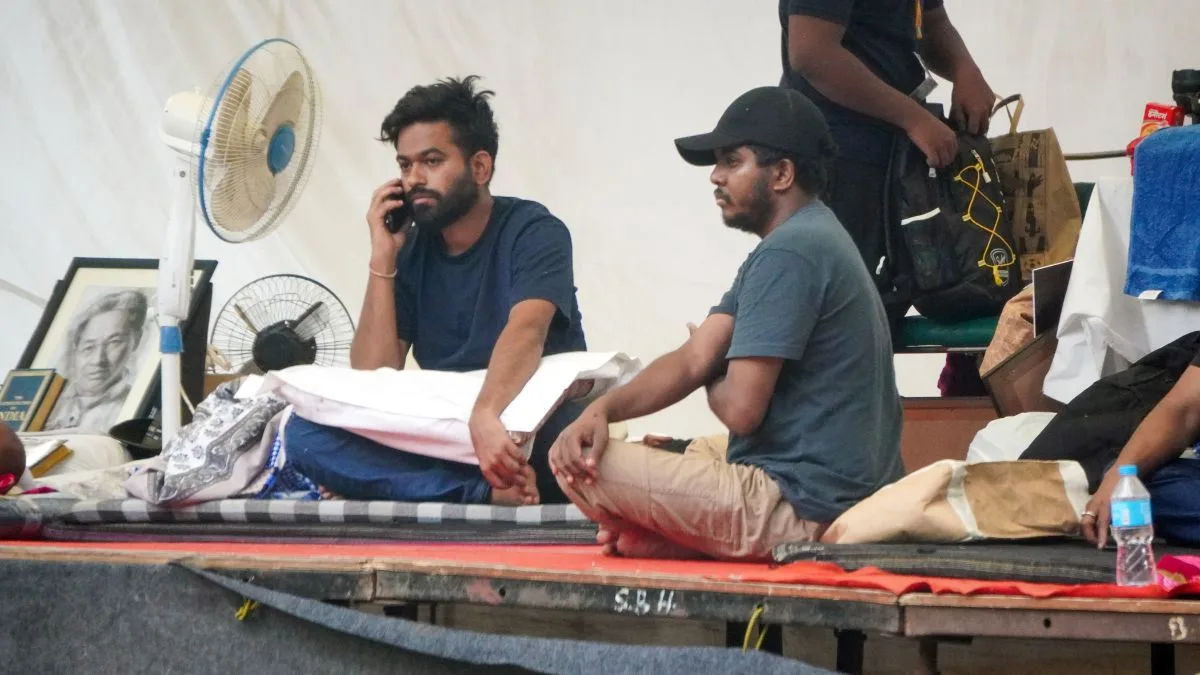
Sonam Wangchuk said written assurances on student protesters, compensation for victims’ families and a Parliament debate persuaded him to call off his fast. | X/@Wangchuk66
Climate activist Sonam Wangchuk has said he ended his 26-day hunger strike after securing three written assurances from the Centre, including protection for peaceful protesters from criminal cases, compensation for families of students who died and a Parliament debate on accountability in the examination system.
In a detailed video released after calling off his fast, Wangchuk said protecting the future of protesting students was more important to him than continuing the agitation solely over the demand for Union Education Minister Dharmendra Pradhan’s resignation.
Advertisement
“End of hunger, beginning of accountability,” Wangchuk mentioned on X.
Advertisement
END OF HUNGER… BEGINNING OF ACCOUNTABILITY…!
Sonam Wangchuk ends his fast after 26 days upon getting assurance from the government and members of parliament of all political parties that the issue of accountability in the failing examination system will be discussed on the… pic.twitter.com/0C9YX5VlsL
In a YouTube video, he said the written commitment came after two days of tough negotiations with the government. Union Ministers JP Nadda and Jitendra Singh met him late at night, along with senior leaders of the Apex Body of Leh Ladakh.
No cases against peaceful protesters
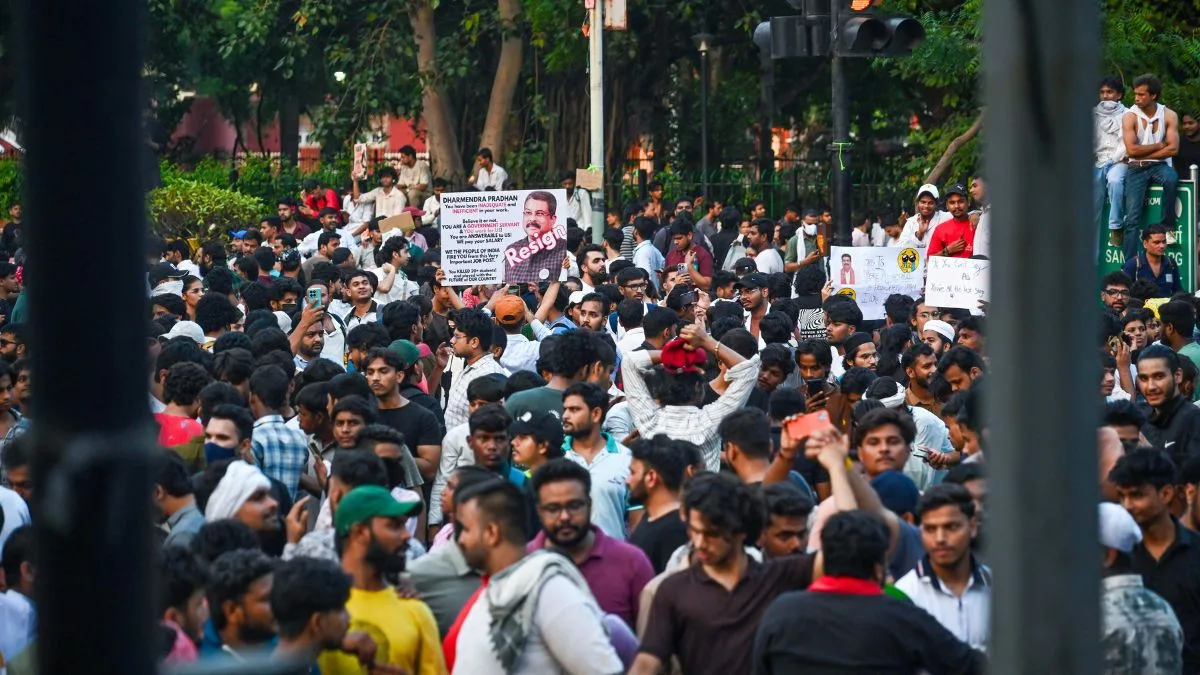
Wangchuk said the first assurance related to students and youth who protested peacefully at Jantar Mantar or participated in the July 20 “Sansad Chalo” march.
According to him, the government agreed that no cases or FIRs would be registered against those who took part peacefully.
He described this as a significant achievement, arguing that criminal cases arising from protests can damage a young person’s future for years.
Wangchuk cited his experience in Ladakh, where, he said, young people had been forced to spend years dealing with FIRs and court proceedings following agitations.
“For me, it was more important that no such cases are imposed on our children,” he said in Hindi.
Compensation for families of victims
The second assurance, Wangchuk said, concerned families of students who allegedly died by suicide following the recent NEET examination paper leak controversy.
He claimed that more than 20 students had died and said the government had agreed to positively consider suitable compensation for their families.
Wangchuk said relief for the bereaved families was among the central demands he wanted addressed before ending the fast.
Parliament debate on exam accountability
The third commitment involved a discussion in Parliament on paper leaks, reforms in the examination system and accountability for failures.
Wangchuk said members of Parliament from different political parties had assured him that the matter would be raised on the floor of the House.
Around 65 MPs had either met him or signed letters asking him to end his fast, he said.
According to Wangchuk, the proposed discussion would focus not only on the recent controversy but also on measures needed to prevent similar incidents and ensure that responsibility is fixed when failures occur.
Why Pradhan’s resignation was not made a condition
Addressing questions over the demand for Dharmendra Pradhan’s resignation, Wangchuk said the government had not given him any assurance about when or whether it would happen.
He said he was therefore left with two choices: continue fasting for several more weeks and put his life at risk, or accept the commitments obtained on issues directly affecting students’ and victims’ families.
Wangchuk said thousands of supporters had been urging him for weeks to protect his health so that he could continue the larger struggle.
He also argued that failure to take ministerial responsibility would politically harm the government rather than the protesting students.
“If they do not resign, the loss will not be ours or the children’s. The government itself will suffer,” he said.
The resignation issue, he added, could take its own course through political and parliamentary processes.
Appeal against violence
Wangchuk also appealed to students and supporters to maintain complete peace during protests.
He said expressing anger and raising legitimate demands were democratic rights, but violence or attempts by anti-social elements to exploit the movement were unacceptable.
The activist said he had also considered the possibility of unrest while deciding whether to continue the hunger strike.
He thanked the doctors and hospital staff who treated him during the agitation, as well as supporters, political representatives and leaders from Ladakh who stood by him.
Prime Minister Narendra Modi, meanwhile, wished Wangchuk a speedy recovery and urged him to follow medical advice and regain his health.
The activist said he ended his fast after prolonged negotiations and to prevent possible violence, while the CJP maintained that its campaign seeking the education minister's resignation would continue.
The meeting comes a day after Prime Minister Narendra Modi announced that the Centre is preparing a stricter law against examination paper leaks, while the protesting party continues to demand the Education Minister's resignation.
The Congress leader said students were seeking accountability over the alleged NEET paper leak and urged the government to remove the Education Minister and act against those responsible.






![‘Beginning of accountability’: Sonam Wangchuk reveals 3 written assurances from Centre before ending fast [VIDEO]](https://www.thestatesman.com/wp-content/uploads/2026/07/Sonam-Wangchuk-1-1.webp)

![‘Beginning of accountability’: Sonam Wangchuk reveals 3 written assurances from Centre before ending fast [VIDEO]](https://www.thestatesman.com/wp-content/uploads/2026/07/Sonam-Wangchuk-1-1-300x200.webp)