Who is Riya Ahir? Woman who stood before Mumbai Police van during student protest goes viral
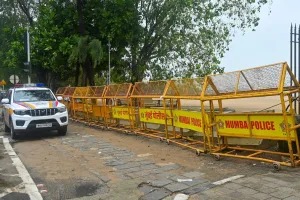
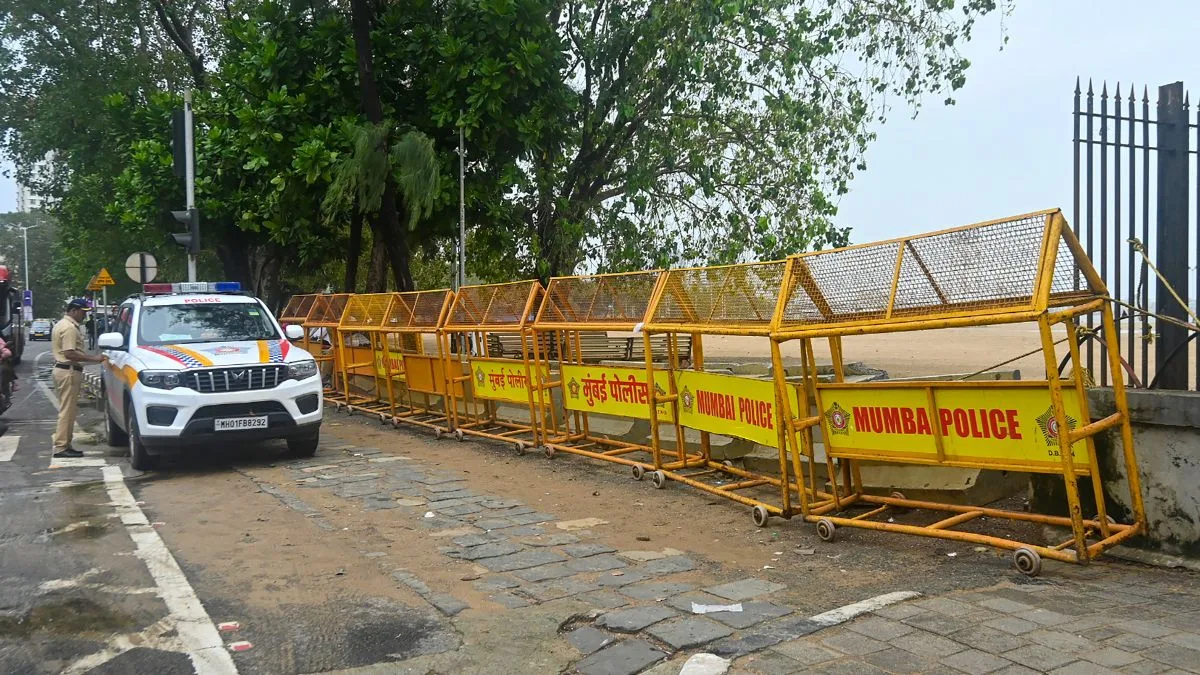
One woman. One street. One police van that wasn't going anywhere. This is the story of the moment Riya Ahir decided silence wasn't an option.
The move comes after authorities raised concerns over maintaining law and order in the national capital. The special powers allow action against individuals whose activities are considered harmful to public security.




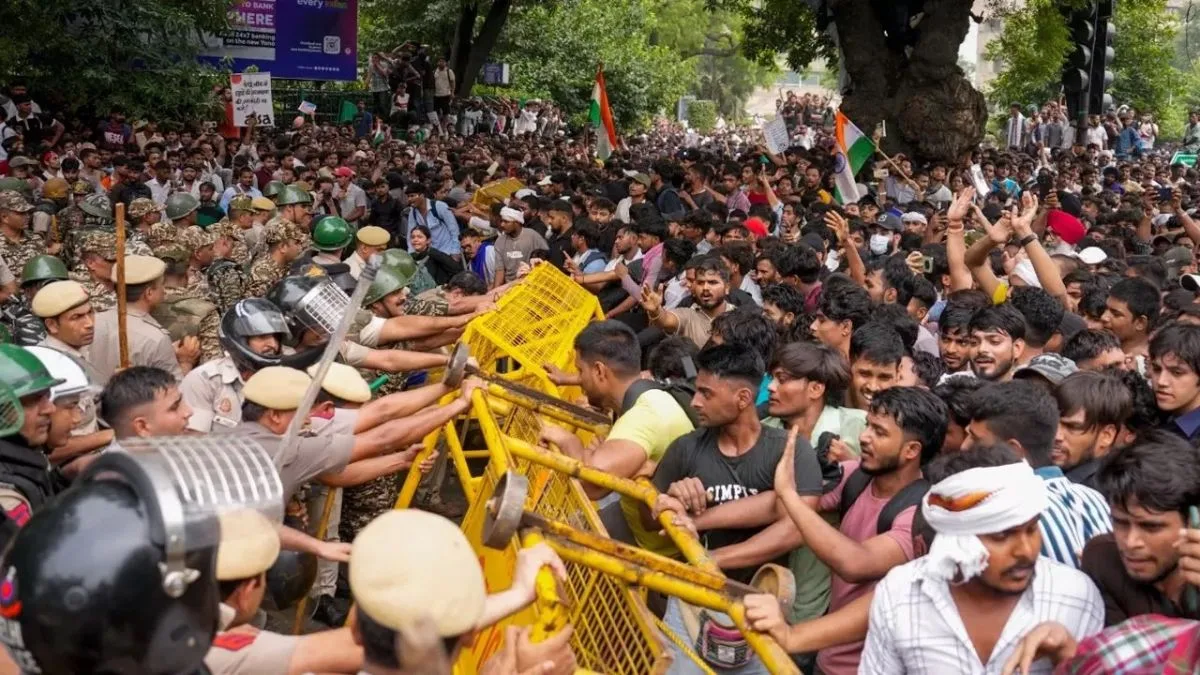
Image Source: X
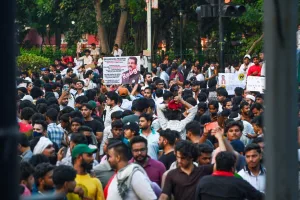
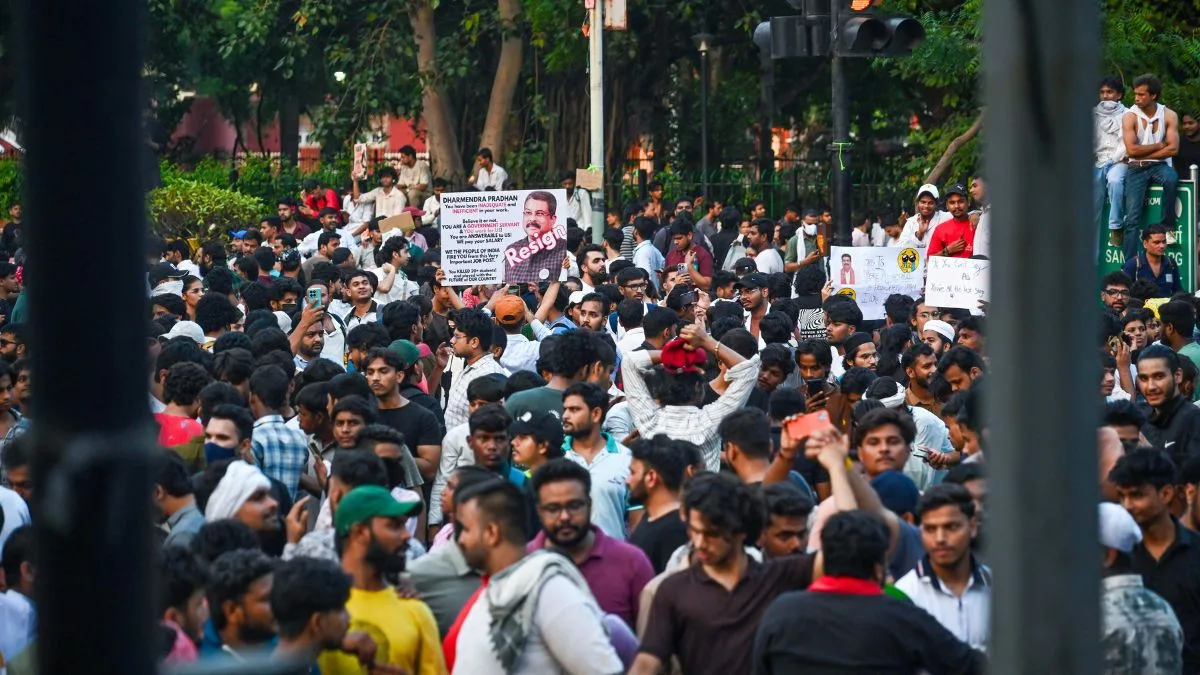
Delhi Police have just been handed some serious extra power, and it’s tied to the ongoing protests by the Cockroach Janta Party (CJP) that have been ramping up across the city. The central government has authorised Delhi Police Commissioner Anurag Kumar to order preventive detention under the National Security Act, commonly known as the NSA.
This came out through an Extraordinary Delhi Gazette notification published on July 22, though the actual order behind it is dated July 15, according to reporting from The Tribune. Kumar, who only recently took over as Delhi Police Commissioner, now has access to these special powers, but only for a set window of time.
Advertisement
The Delhi Lieutenant Governor has authorised the Delhi Police Commissioner to exercise the powers of a detaining authority under the National Security Act (NSA), 1980, for a period of three months from July 19, 2026 to October 18, 2026. pic.twitter.com/yjuVrbNFwC
Advertisement
— ANI (@ANI) July 23, 2026
According to the order, Kumar can use preventive detention powers starting July 19 and running through October 18, 2026, giving him a three month window to exercise this authority.
For context, the NSA lets authorities detain someone without pressing formal criminal charges against them. Depending on the specifics of a case, that detention can last anywhere from 12 days up to a full year. The whole point of the law is to head off potential threats to public safety before they happen, rather than punishing someone after the fact.
The order makes clear that Delhi’s Lieutenant Governor felt this delegation of power was necessary to keep public security intact. Specifically, using authority under Section 3(3) combined with Section 2(e) of the National Security Act, 1980, the LG has named the Delhi Police Commissioner as a detaining authority for this stretch of time.
The order also spells out that Kumar can exercise detention powers under Section 3(2) of the Act specifically between July 19 and October 18, 2026.
At its core, the National Security Act allows officials to issue preventive detention orders against anyone whose actions are seen as a threat to public order, national security, or the flow of essential goods and services.
This is different from how normal criminal cases work. There’s no requirement to file immediate charges. Instead, the law exists to stop people before they can act in ways that officials believe would spark serious law and order issues.
It’s also worth noting that the NSA gives governments the flexibility to designate district magistrates or police commissioners as detaining authorities whenever they judge it necessary for maintaining order, which is exactly the mechanism being used here.
Advertisement