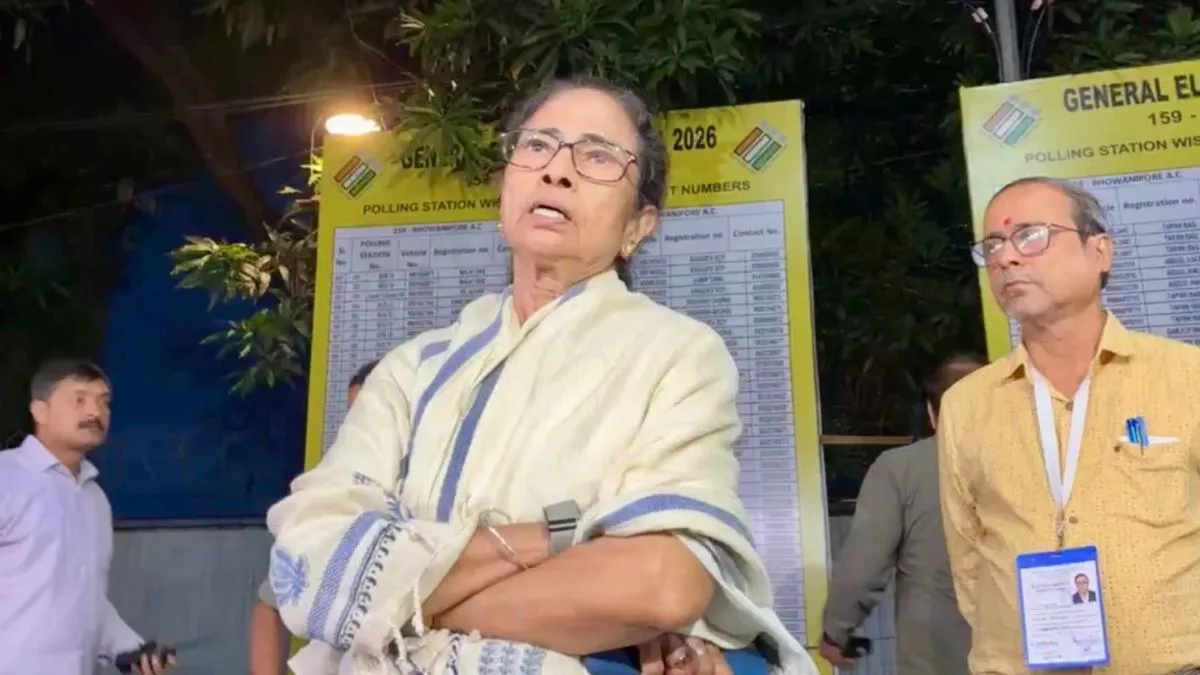
Former JNU Students’ Union president Aishe Ghosh has filed a plea in the Delhi High Court. The case is titled Aishe Ghosh v. Union of India & Anr. It challenges police surveillance of protesters at Jantar Mantar.
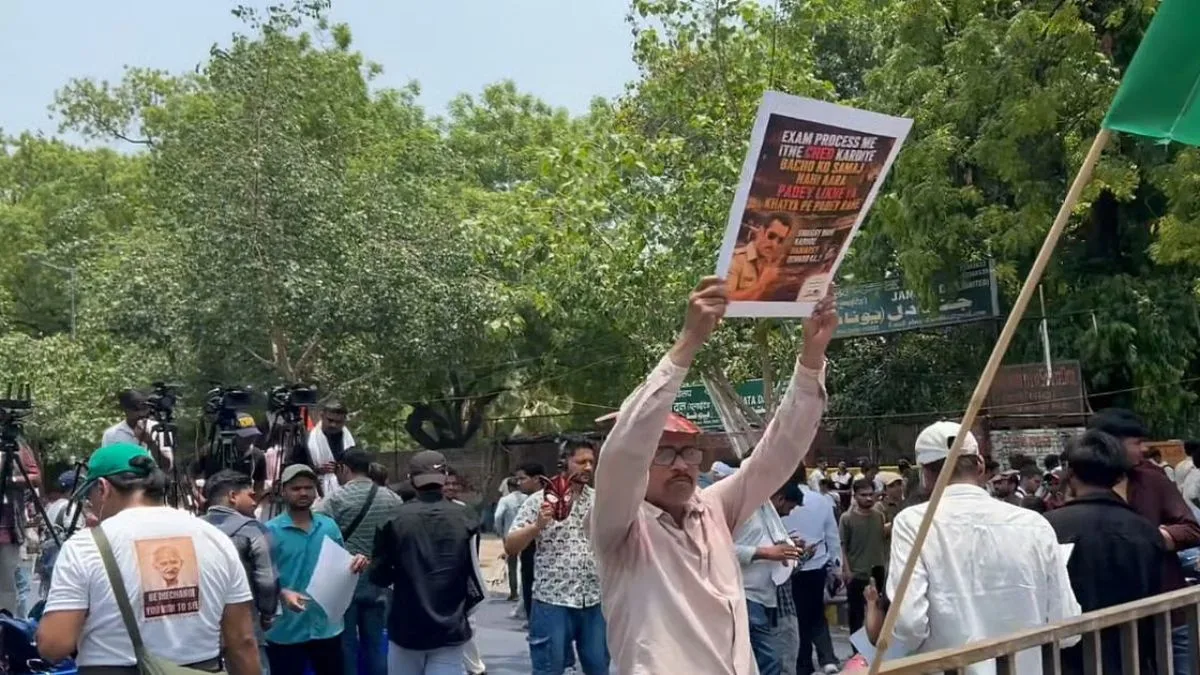
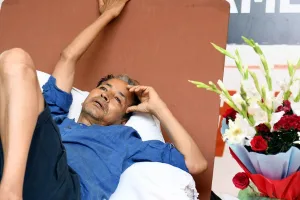
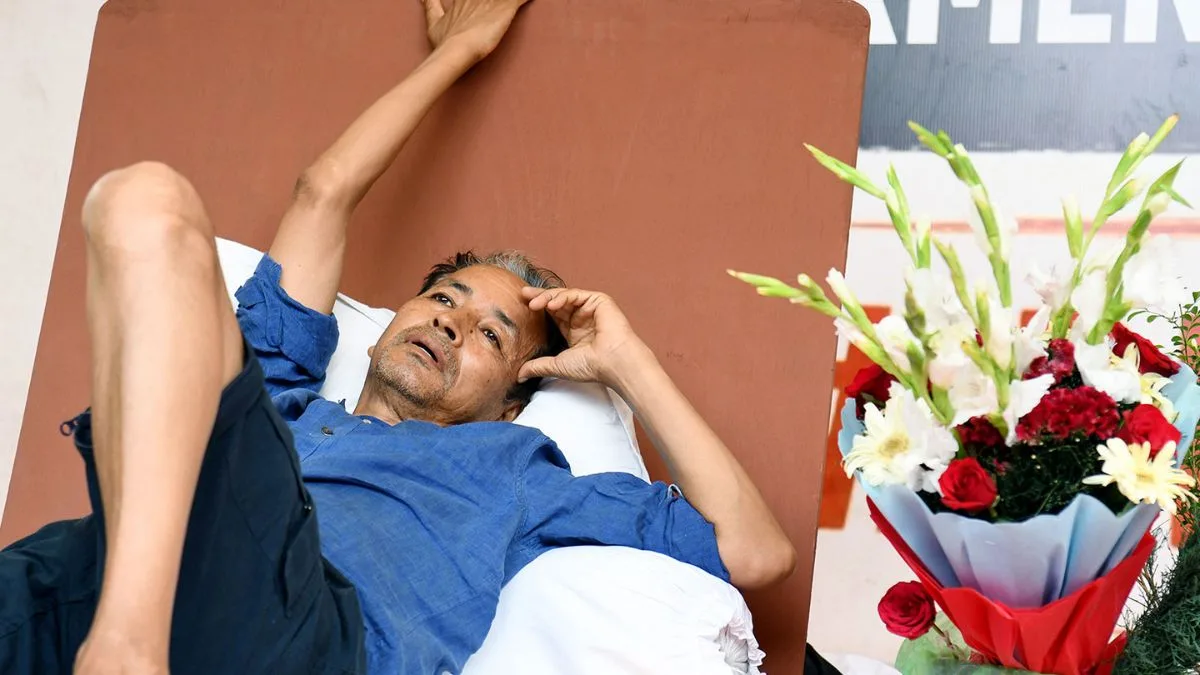
The Cockroach Janta Party (CJP) is holding a sit-in and hunger strike at Jantar Mantar. The protest started on June 20. Ghosh has taken part in it since the start.
Advertisement
Surveillance claims
The plea says Delhi Police have set up a permanent surveillance tower at the site. It says police have continuously photographed and filmed protesters. This includes routine activities like eating and resting. The plea says there is no disclosed legal basis for this surveillance. It also says there are no procedural safeguards in place.
Threats against students
The plea alleges police threatened some student protesters. It says police told them their photographs would be sent to their parents. It also says police threatened to send the photos to their educational institutions. The plea says this created a chilling effect and discouraged participation in the protest.
Claims involving women protesters
The plea says women protesters were photographed and filmed while in wet clothing. This happened during heavy rainfall. It says there was inadequate shelter at the site. The plea calls this an intrusion into bodily privacy and dignity.
The plea says repeated requests were made for information on the legal basis of the surveillance. It says these requests went unanswered.
Legal arguments
The plea relies on the Supreme Court judgment in Justice K.S. Puttaswamy v. Union of India. It argues the surveillance fails three tests laid down in that case. These are legality, necessity, and proportionality. The plea claims the surveillance violates Articles 14, 19 and 21 of the Constitution. These articles cover equality, freedom of speech, and personal liberty. It says the surveillance violates rights to privacy, dignity, free speech, and peaceful assembly.
Reliefs sought
The plea asks for immediate suspension of the surveillance. It asks for disclosure of the legal basis behind it. It also asks for disclosure of data retention protocols. The plea asks for preservation of surveillance records until the case is decided. It seeks guidelines for policing peaceful assemblies. It also seeks an independent committee to examine the impact on the right to dissent. The plea further asks for basic civic amenities at the protest site, including drinking water and sanitation.