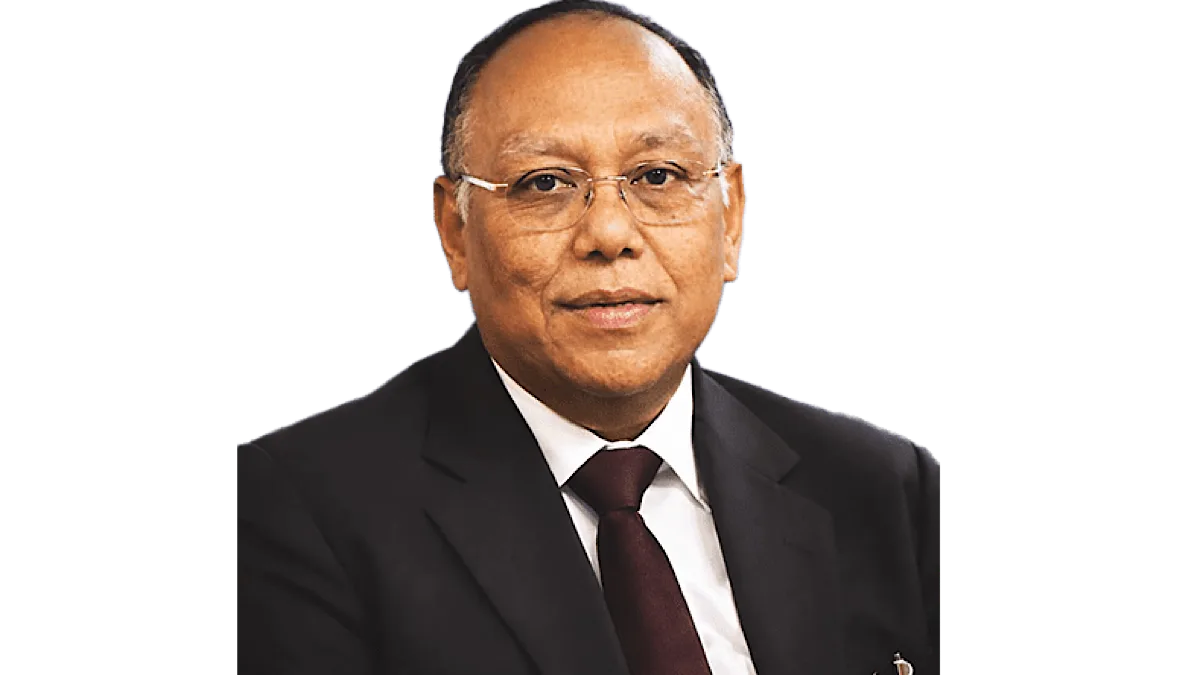
Uttar Pradesh has emerged as a national benchmark in strengthening public health infrastructure. Through the Ayushman Bharat Digital Mission (ABDM), the state is building a robust, secure, and interoperable digital healthcare ecosystem that seamlessly connects hospitals, healthcare providers, and patients. The benefits of this transformation are increasingly reaching the state’s population of more than 240 million people. The successful implementation of these initiatives at the grassroots level has been made possible through the concerted efforts of the state leadership and the Health Department under the Additional Chief Secretary (Health) Dr Amit Kumar Ghosh. In an interview with Manoj Bhadra, Dr Ghosh shares insights into Uttar Pradesh’s evolving healthcare landscape, the state’s digital health transformation, and the key initiatives driving improvements in public health outcomes. Excerpts:
Q: In urban areas of UP, the health facilities are good, but in rural areas they are lacking.
Advertisement
A: We are focusing considerably on the rural areas. Currently, there are a total of 976 community health centres in the state, including 963 rural and 13 urban. A total of 957 (944 rural, 13 urban) Community Health Centres (CHC) are operational. A CHC is a 30-bed medical unit. A total of 30 acute rehabilitation units (ARUs) operate in the state. As per the standard, there is a provision to establish a community health centre for every one lakh population. Generally, there is one community health centre in each block of the district. A total of 16 posts of specialist doctors, nursing, paramedical staff, and other staff are created at the community health centres. The number of Primary Health Centres (PHC) is 3,754. The standard for establishment of one PHC in rural areas of the state is for every 30,000 population. According to the government order, the posts of one Medical Officer and one Pharmacist are created in the Primary Health Centre in rural areas. Under the National Urban Health Mission, the standard is to establish one urban primary health centre for every 50,000 urban population. Currently, 719 urban primary health centres operate in the state. Urban primary health centres employ one Medical Officer, one Pharmacist, one Staff Nurse, one Lab Technician, one ANM, and an assistant on a contract basis.
Q: What is the achievement of ‘One District, One Medical College’ in the state?
A: The state moved from 17 functional government medical colleges before 2017 to 81 by March 2026. Besides, there are around 38 private medical colleges in the state. New government medical colleges in districts like Ballia, Balrampur, Shamli, and Sambhal are scheduled to start academic sessions this year. To bridge gaps, public-private partnership model medical colleges are being set up in districts such as Hathras, Baghpat, and Kasganj. In 2024, the Central government approved new colleges in Gonda, Kaushambi, Chandauli, Kheri, and Auraiya. This initiative is part of a broader strategy to ensure affordable health services and boost medical education across the state.
Q: We learn that UP is providing a lifeline to children from adjoining states in healthcare. Please tell us about this.
A: Through the continuous development and upgradation of Sick Newborn Care Units (SNCUs), Newborn Stabilization Units (NBSUs), and the utilization of CPAP machines, the infant mortality rate (IMR) has not only declined within the state, but UP’s health facilities are also proving instrumental in saving the lives of newborns from neighbouring states such as Madhya Pradesh and Rajasthan. Take the example of Sarojini Naidu (S.N.) Medical College in Agra. Every year, approximately 200 children from Madhya Pradesh and Rajasthan are given a new lease of life here.
Q: UP is one of the states which is leading the TB-Free India campaign. How will the state achieve its goal?
A: The 100-day ‘TB-Free India Campaign’ conducted in Uttar Pradesh has achieved significant and impressive progress in its first 42 days, laying a strong foundation for TB elimination. Through large-scale screening, testing, treatment, and public awareness activities, the campaign is gaining momentum and expanding access to health services at the grassroots level. UP is rapidly progressing towards realizing the Prime Minister’s resolve of a “TB-free India.” In the last 42 days, 15,03,112 people have been screened, including 45,810 on May 4 alone, demonstrating the campaign’s active and effective implementation at the field level. As part of strengthening diagnostic services, 1,017,992 X-rays have been performed in the state. The 989 X-ray machines available in the state are being widely utilized, achieving approximately 46 per cent of the target. The identification and treatment of TB patients have also seen rapid progress. To date, 68,273 TB patients have been notified, while 28,763 patients have been assessed for drug-resistant TB. Under the prevention programme, 124,633 eligible household contacts have been identified, of which 72,285 have received TB preventive treatment, representing a 58 per cent achievement. So far, 26,722 high-risk villages and areas have been identified in the state, and 7,359 Ayushman Arogya Camps have been organized, ensuring comprehensive coverage in both urban and rural areas.
Q: Please explain about adolescent health and Anaemia Mukt Bharat?
A: With the guiding message “Ek Dose, Do Zindagi ka Vardan,” the Uttar Pradesh government has reiterated its commitment to the Anaemia Mukt Bharat (AMB) initiative. Under the Anaemia Mukt Bharat initiative, services such as iron-folic acid supplementation, deworming, nutrition counselling, and testing have been strengthened through ANMs, ASHAs, and Anganwadi workers. According to the NFHS-5, 83.4 per cent of deliveries in the state take place in government health institutions, ensuring safer childbirth and reducing risks for both mothers and children. Along with iron-folic acid (IFA) tablets, advanced treatment such as Intravenous Ferric Carboxymaltose (IV-FCM) is being scaled up for managing severe anaemia. A single dose of IV-FCM provides rapid and effective treatment for iron deficiency in pregnant women. In 2026, the state has procured 3.7 lakh doses of intravenous iron, which will be administered to pregnant women suffering from severe anaemia. Anaemia prevalence among pregnant women has declined from 52 per cent (NFHS-3, 2006) to 46 per cent (NFHS-5, 2021). Similarly, anaemia among adolescent girls (10-19 years) has reduced from 56.5 per cent to 52.9 per cent, and among children aged 6-59 months from 73.9 per cent to 66.4 per cent. As per the Anaemia Mukt Bharat scorecard for 2024-25, iron and folic acid supplementation coverage among pregnant women in Uttar Pradesh has reached 95 per cent.
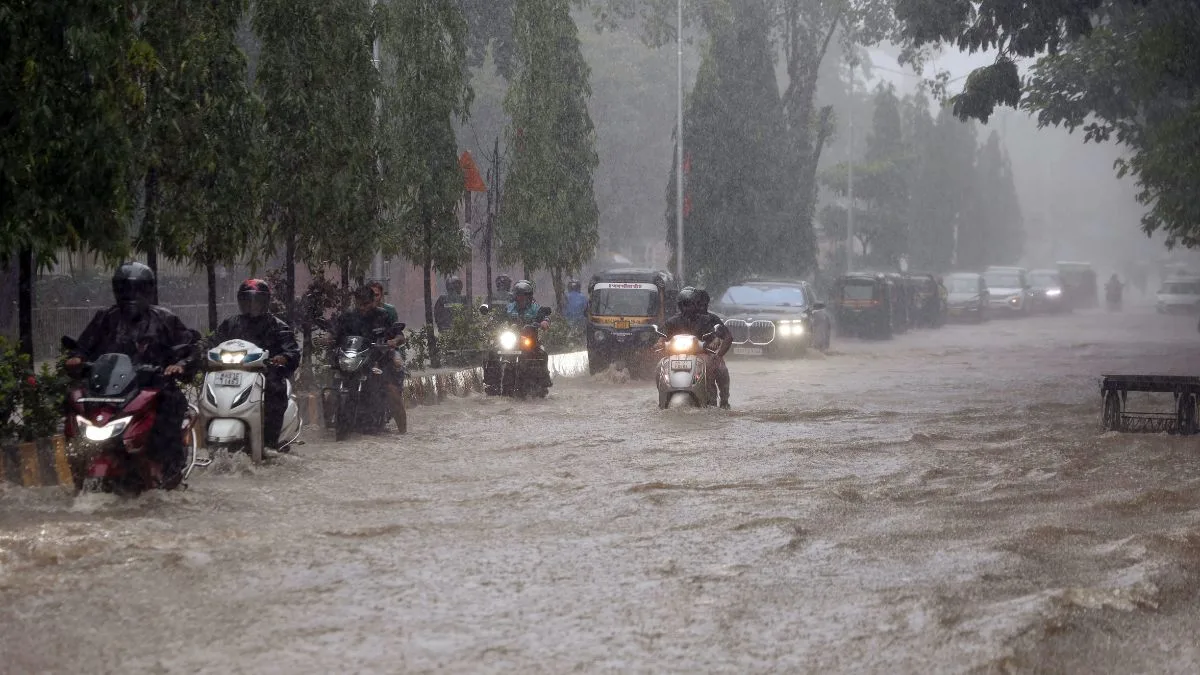
Q: As the monsoon approaches, what are your preparations for malaria and other vector-borne diseases?
A: Effective efforts are currently underway to achieve the goal of eliminating malaria from the state by the year 2030. The strategy of immediate identification and treatment, outlined in the new National Strategic Plan for Malaria Control, is proving to be highly effective. Over the past four to five years, the number of malaria patients in the state has witnessed a nearly seven-fold decline – a promising sign in the direction of elimination. The crucial pillar of the strategy is “Test, Treat, and Track” – specifically, the testing of every suspected patient, the treatment of confirmed cases, and their subsequent monitoring. ASHA workers, ANMs, and Community Health Officers are now ensuring rapid testing even in remote and inaccessible areas. While more than 92,000 cases of malaria were reported in 2019, this figure had dropped to 14,500 by 2025. This represents not merely a statistical shift, but rather the success of a robust surveillance system, improved diagnostic facilities, and continuous vector-control efforts.
Q: What are the stakes of UP in digital health infrastructure?
A: Uttar Pradesh has emerged as a national model. Under the Ayushman Bharat Digital Mission (ABDM), the state is laying a strong foundation for secure and interoperable healthcare services by digitally connecting the entire ecosystem, from hospitals to patients. The benefits of this transformation have already begun reaching the state’s population of over 240 million. Through digital health infrastructure, Uttar Pradesh has not only made healthcare services faster, more transparent, and patient-centric, but has also created a robust base for AI-enabled healthcare, interoperability, and secure data exchange. UP has also achieved a major milestone in digital health records, with more than 130.3 million health records linked to ABHA IDs, ensuring patients’ complete medical histories being securely available on a single platform.