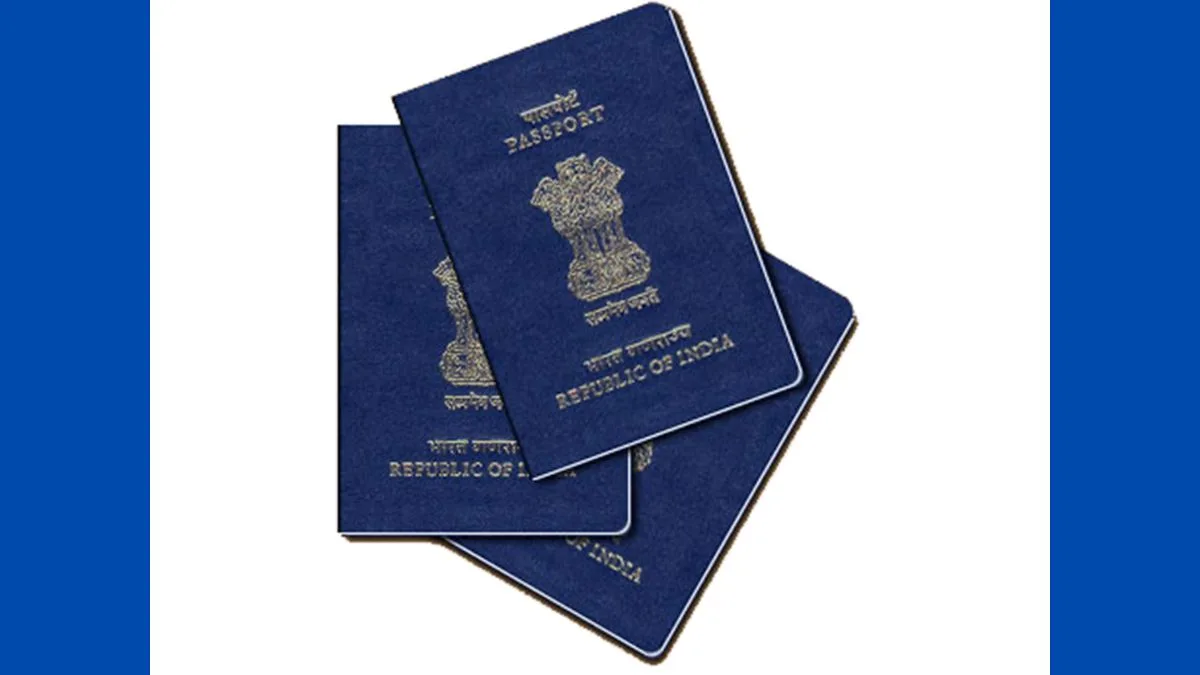
When the government insists that an Indian passport is not proof of Indian citizenship, something more than a legal clarification is at stake. It raises a fundamental question about the relationship between the State and the citizen. The Ministry of External Affairs is technically correct in arguing that a passport is, in law, a travel document. Citizenship is a legal status flowing from the Citizenship Act, not from the Passport Act.
A passport authority may determine that an applicant is entitled to an Indian passport, but that determination does not necessarily extinguish every conceivable future dispute over citizenship. Yet the law cannot be divorced from common sense. Unlike Aadhaar, which is issued to residents, or PAN, which serves tax administration, an Indian passport is not handed out merely because a person establishes identity. The Passports Act expressly bars the issuance of a passport to a non-citizen except in narrowly defined circumstances. The application process involves documentary scrutiny, police verification where required, and an official satisfaction that the applicant is entitled to an Indian passport. The document is issued only after authorities satisfy themselves that the applicant is entitled to receive it. To then describe it as merely a travel document may satisfy legal semantics, but it leaves ordinary citizens understandably perplexed.
Advertisement
The public reaction has reflected precisely this confusion. Social media has been flooded with a simple question rather than a legal argument: if even a passport is not proof of citizenship, then what is? That question has acquired urgency because it comes amid renewed scrutiny of citizenship documents in electoral and administrative processes. The government’s own position has contributed to the uncertainty. It has argued before the Supreme Court that Aadhaar is not proof of citizenship. Courts have similarly distinguished identity documents from citizenship. Parliament, too, has been told that no definitive list of citizenship documents exists because citizenship is acquired through different legal routes ~ birth, descent, registration, naturalisation or incorporation of territory. Each proposition may be legally defensible in isolation.
Collectively, however, they leave the citizen with no clear answer. That is not merely an academic problem. Citizenship is the foundation upon which voting rights, constitutional protections and numerous legal entitlements rest. A modern constitutional democracy cannot expect its citizens to navigate this uncertainty by piecing together statutes, court judgments and administrative manuals. The distinction between evidence and conclusive proof is well understood in law. A passport need not be treated as irrefutable proof in every disputed case. But it is equally difficult to argue that a passport issued after due diligence is not among the strongest official evidence that the State has accepted its holder as an Indian citizen. If the government wishes to insist otherwise, the burden now shifts to it. Legal precision must be matched by administrative clarity. Citizens deserve an unambiguous answer to a question that should never have become controversial: what, exactly, proves that they belong to the Republic whose passport they carry? The answer must come, and fast.