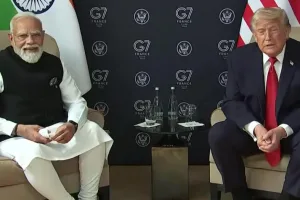
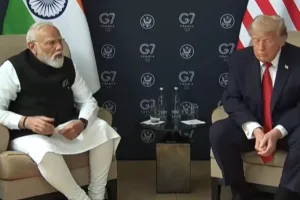
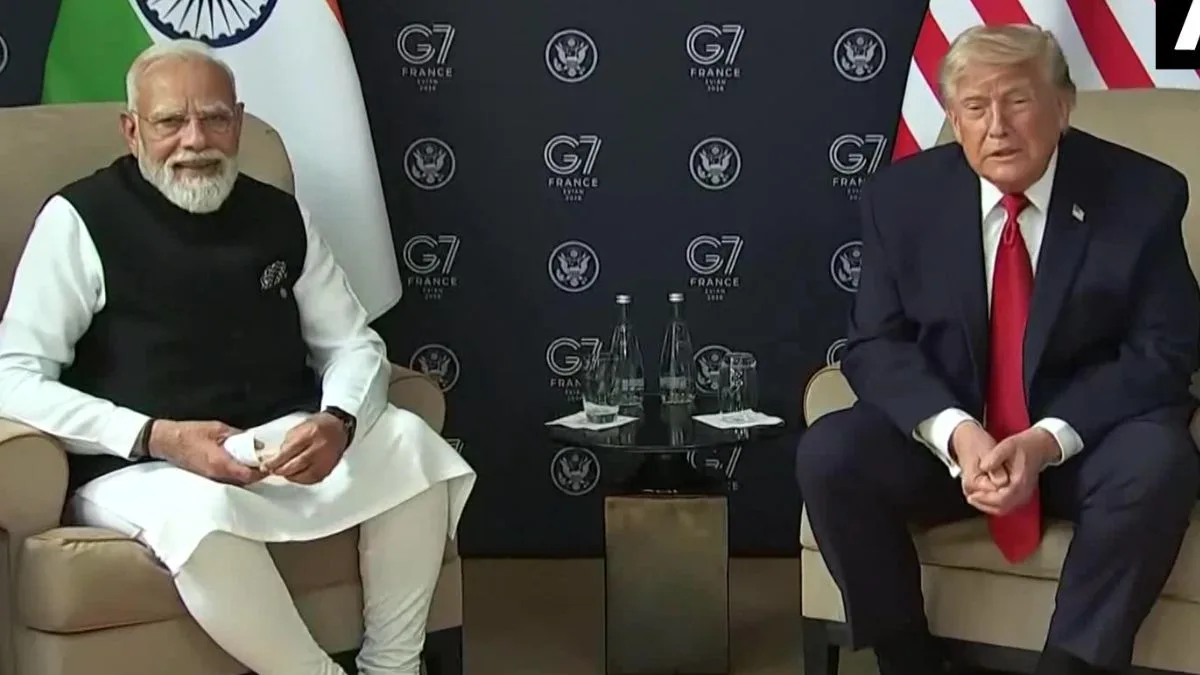
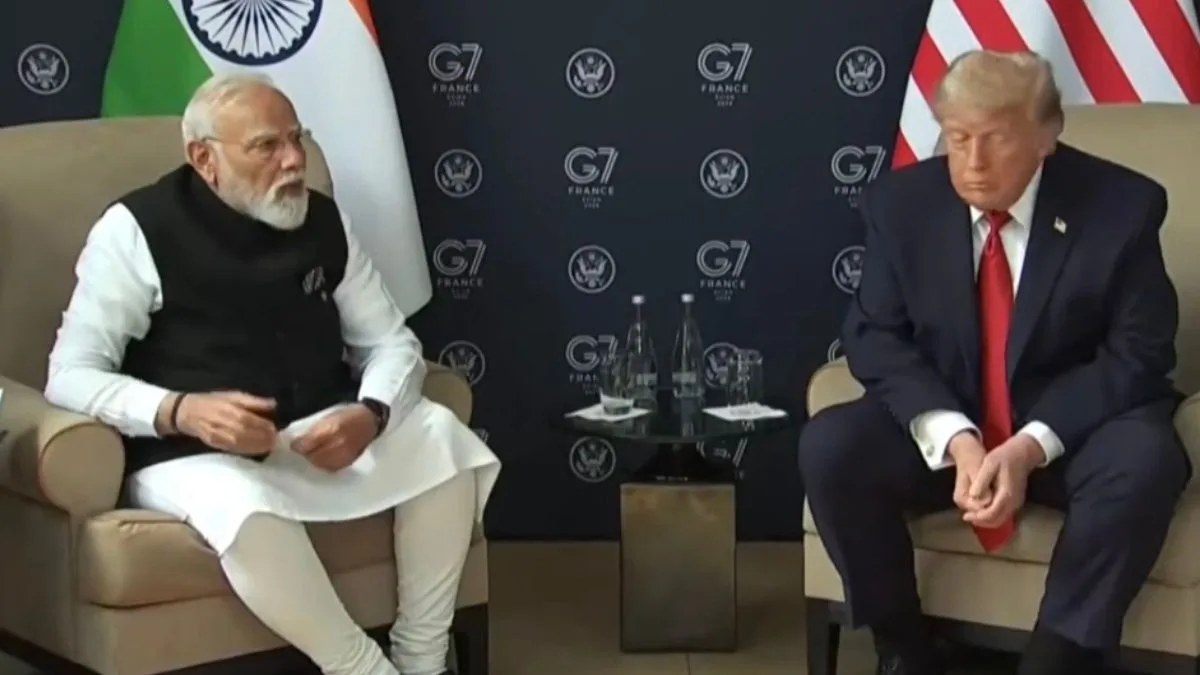
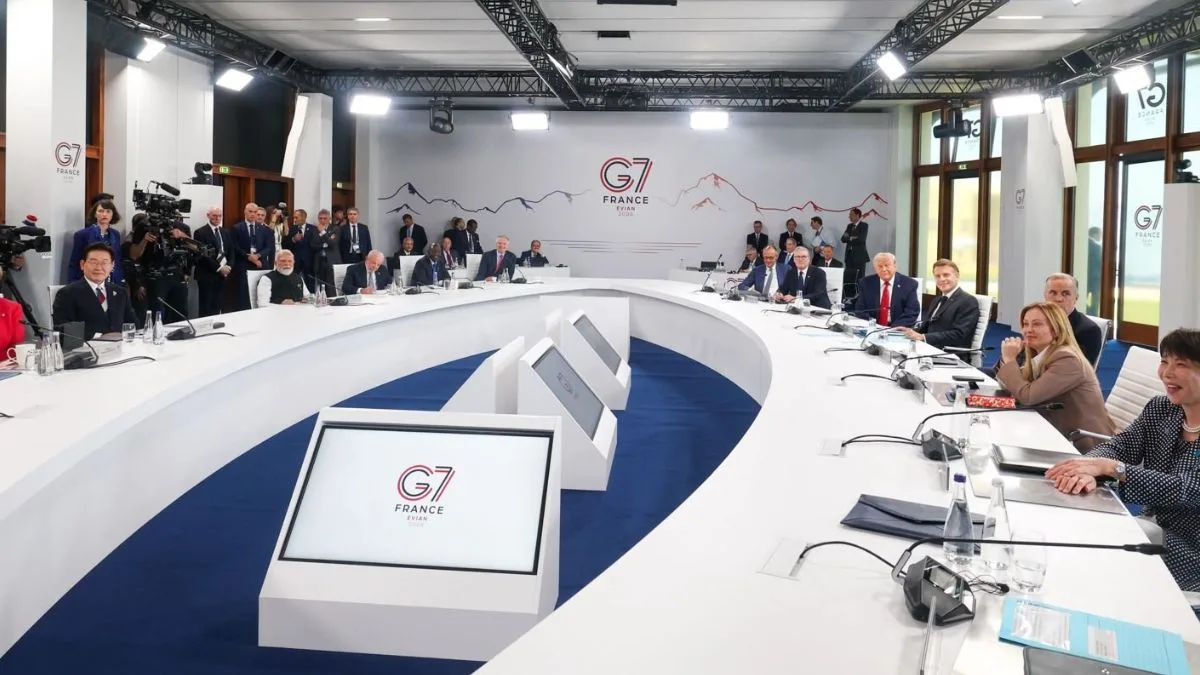
At G7 talks with PM Modi, Trump says US will be there for India if it is ever attacked
Trump also heaped a praise at PM Modi, calling him a tough negotiator and the “most beautiful-looking man.
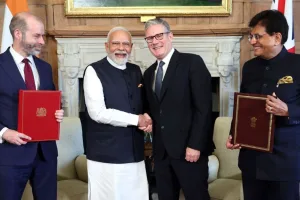
Prime Minister Narendra Modi said that the agreement is a “historic milestone” for India-UK relations and will boost bilateral trade and investment.




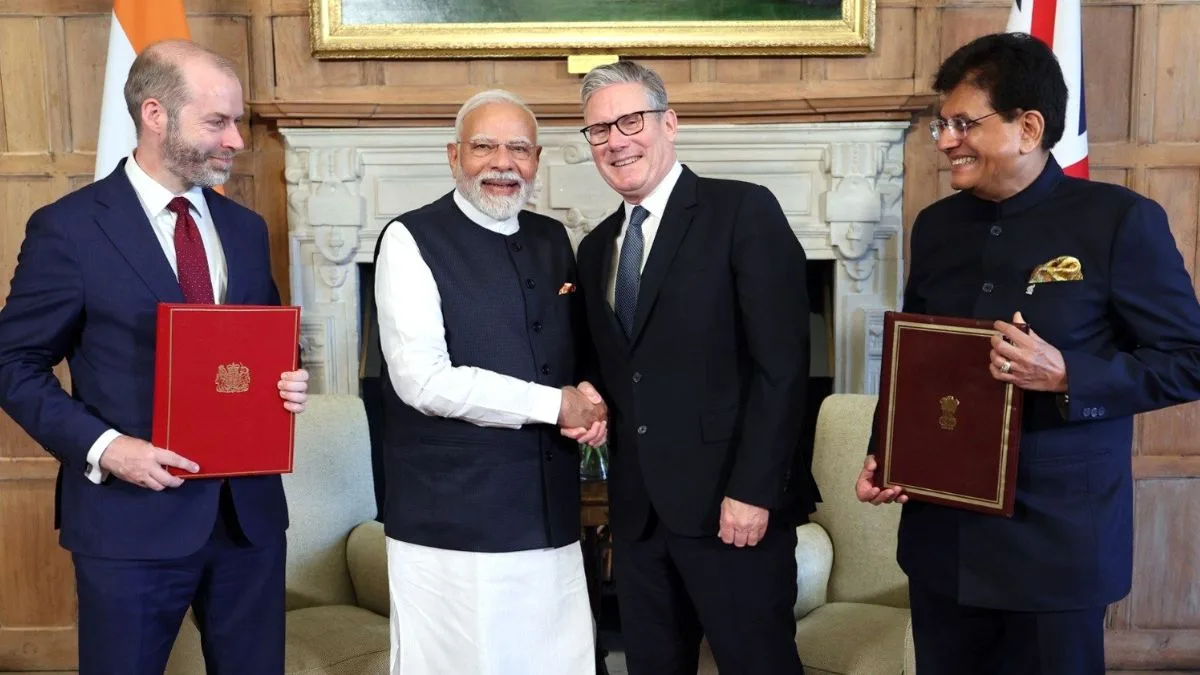
The Comprehensive Economic and Trade Agreement (CETA) between India and the United Kingdom (UK) is all set to come into force on July 15 after both countries resolved their differences over the terms of steel trade.
Announcing the development, Prime Minister Narendra Modi said that the agreement is a “historic milestone” for India-UK relations and will boost bilateral trade and investment.
Advertisement
“A historic milestone for India-UK relations. Delighted to note that the India-UK Comprehensive Economic and Trade Agreement will enter into force on 15th July 2026. This agreement will significantly boost our bilateral trade and investment,” Prime Minister Narendra Modi said in a post on X.
Advertisement
He said that the trade agreement will unlock numerous opportunities for Indian farmers, workers, MSMEs, startups and innovators and contribute meaningfully to the realisation of Viksit Bharat 2047.
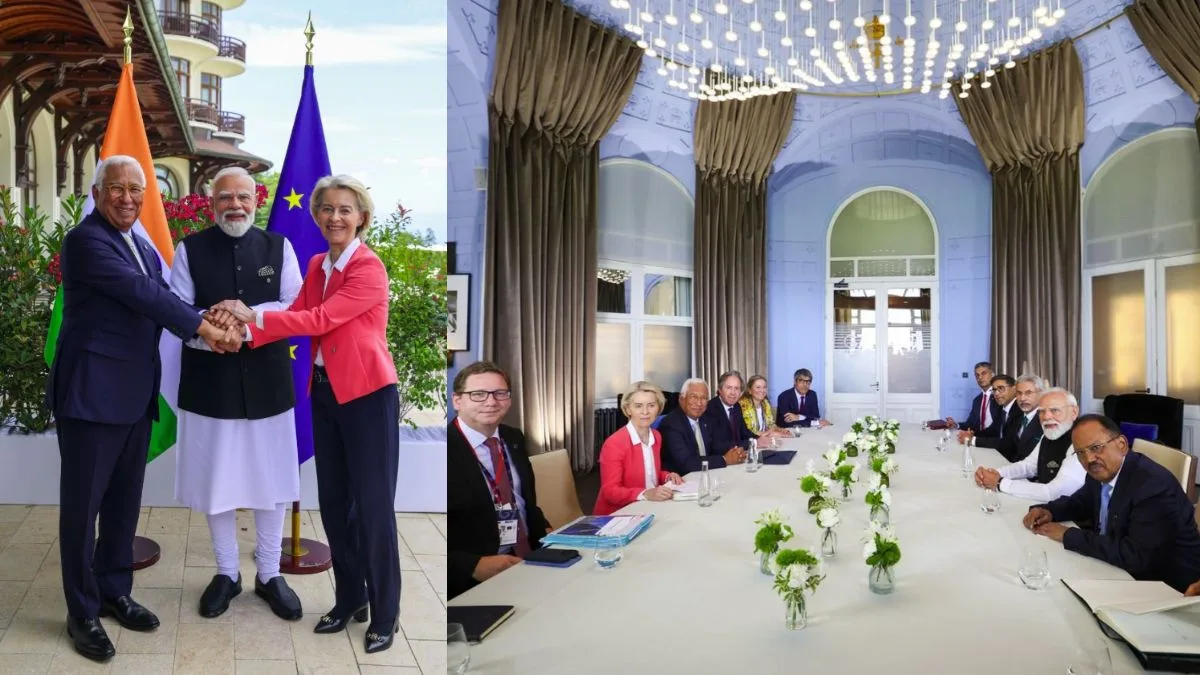
“Both PM Starmer and I, who are in Evian for the G7 Summit, are naturally very happy with the significant momentum being added to our economic ties,” he added.
The groundwork for this historic agreement was laid in May 2021 through the Enhanced Trade Partnership and the adoption of the India–UK Roadmap 2030, which set the goal of elevating bilateral ties to a Comprehensive Strategic Partnership and doubling trade to $100 billion by 2030.
“The simultaneous enforcement of the CETA and the Double Contribution Convention on 15th July 2026 will open up significant new opportunities for India’s exports. By securing immediate duty-free access on 99 per cent of our tariff lines, we have systematically dismantled long-standing tariff walls,” Commerce and Industry Minister Piyush Goyal said.
This will effectively level the playing field, allowing our textiles, leather, marine, engineering, and processed food sectors to compete with no disadvantage and supply their world-class products, Goyal added.
Comprising 30 chapters, CETA establishes a new paradigm for next-generation trade pacts, directly supporting India’s “Viksit Bharat 2047” vision.
Beyond traditional tariff-cutting, the agreement modernises bilateral engagement by integrating traditional goods and services with advanced disciplines like digital trade, telecommunications, financial services, intellectual property, and — for the first time bilaterally — government procurement.
Meanwhile, the Double Contribution Convention (DCC), an agreement on social security, will also become operational from July 15.
Moreover, the period of exemption under the DCC has been increased from 3 years to 5 years, thereby marking a major gain for India’s temporary workers, according to a Commerce Ministry statement.
Advertisement