The G7 nations have welcomed the emerging agreement between the United States and Iran, even as they reaffirmed support for Ukraine and called for closer cooperation to safeguard maritime routes and regional stability in the Indo-Pacific.
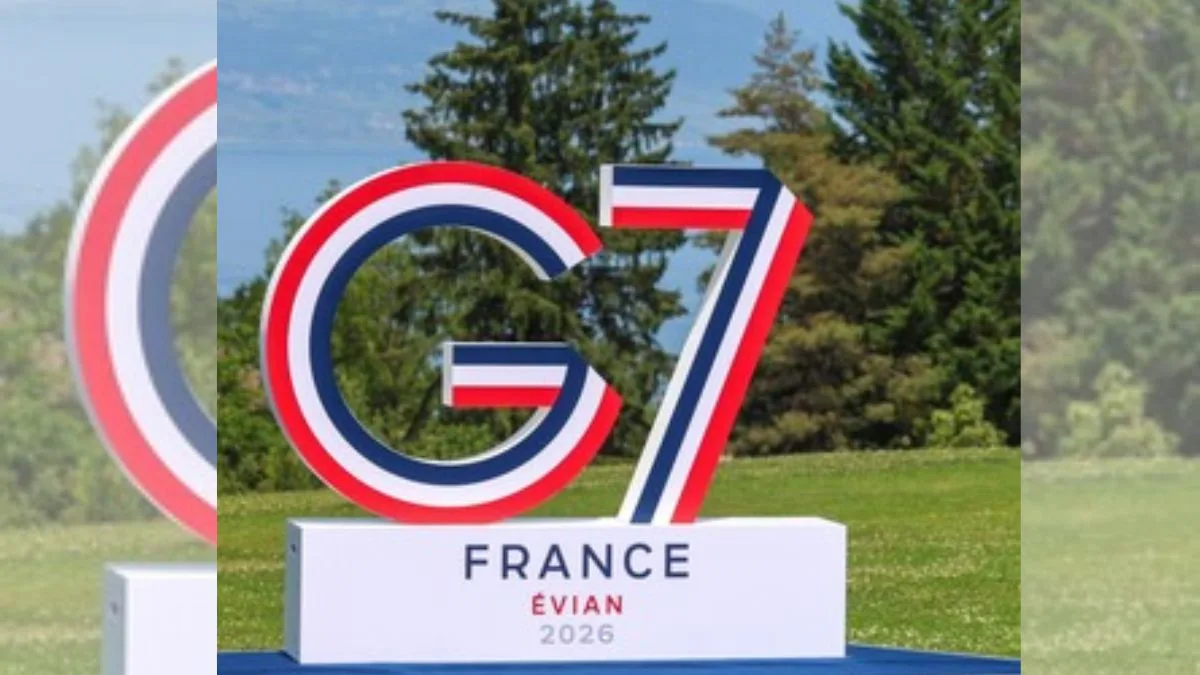
In a joint declaration issued at the summit in France, the leaders addressed a range of global security concerns, from the war in Ukraine and tensions in West Asia to shipping security in the Strait of Hormuz and growing challenges in East Asia.
Advertisement
The leaders reiterated their commitment to Ukraine’s sovereignty and territorial integrity and announced plans to expand military assistance to Kyiv.
“We, the Leaders of the G7, stand united in our unwavering support for Ukraine in defending its freedom, sovereignty, and territorial integrity,” the declaration said.


The group said additional air defence systems, interceptors and long-range capabilities would be delivered to Ukraine. It also expressed support for measures that could help expand Ukraine’s domestic defence manufacturing through licensing arrangements.
The leaders pledged further assistance to strengthen Ukraine’s energy infrastructure ahead of winter and signalled readiness to increase pressure on Russia through tougher sanctions, including measures targeting the oil and gas sector.
The declaration described the current situation as an opportunity to advance additional actions against Russia following diplomatic developments linked to the reopening of the Strait of Hormuz.
G7 welcomes emerging US-Iran agreement
The leaders also welcomed the agreement announced between Washington and Tehran.
In the declaration, the G7 described the development as “an historic opportunity” to prevent Iran from obtaining a nuclear weapon and to address concerns related to Tehran’s regional and ballistic activities.
The group reiterated its position that Iran should never acquire a nuclear weapon and expressed support for broader diplomatic efforts involving regional and international stakeholders.
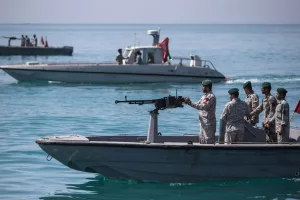
The G7 also endorsed moves to ensure the safe return of commercial shipping through the Strait of Hormuz, a route critical to global oil flows and international commerce. They said keeping the waterway open and secure is critical for the smooth movement of goods and commercial vessels.
The declaration noted the impact of recent disruptions in the region and called for greater energy security. The leaders urged countries to diversify supply chains and strengthen safeguards against future shocks to global energy markets.
Call for ceasefire in Lebanon, more aid for Gaza
Turning to the broader West Asia situation, the G7 called for an immediate ceasefire in Lebanon and backed efforts by the Lebanese government to disarm Hezbollah. The leaders also pledged to speed up humanitarian assistance and reconstruction support for Gaza while urging an end to violence in the West Bank.
The leaders also pledged to accelerate humanitarian assistance and reconstruction efforts in Gaza while calling for an end to violence in the West Bank.
Focus on Indo-Pacific security
The declaration reaffirmed support for a free and open Indo-Pacific governed by international law.
The leaders opposed attempts to change the status quo through force or coercion in the East and South China Seas and across the Taiwan Strait.
“We reaffirm our opposition to any unilateral attempts to change the status quo, in particular by force or coercion, in the East and South China Seas and across the Taiwan Strait, which should only be resolved peacefully through dialogue,” the statement said.
The G7 also voiced concern over North Korea’s nuclear and ballistic missile programmes and reiterated support for the complete denuclearisation of the Korean Peninsula in line with United Nations Security Council resolutions.
The declaration called for greater cooperation to counter North Korean cybercrime and cryptocurrency thefts.
The leaders concluded by backing international efforts to address global economic imbalances and welcomed China’s participation in the Global Convergence for Growth Summit hosted by French President Emmanuel Macron earlier this month.