The Jharkhand government is considering a major overhaul of its compensation framework for victims of human-wildlife conflict, proposing to increase compensation for deaths caused by wild animals from Rs 4 lakh to Rs 10 lakh.
According to an official proposal, likely to be placed before the state Cabinet, the revised compensation package also seeks higher payouts for injuries, crop losses, livestock deaths and property damage caused by wild animals, alongside a streamlined mechanism for faster relief disbursal.
Advertisement
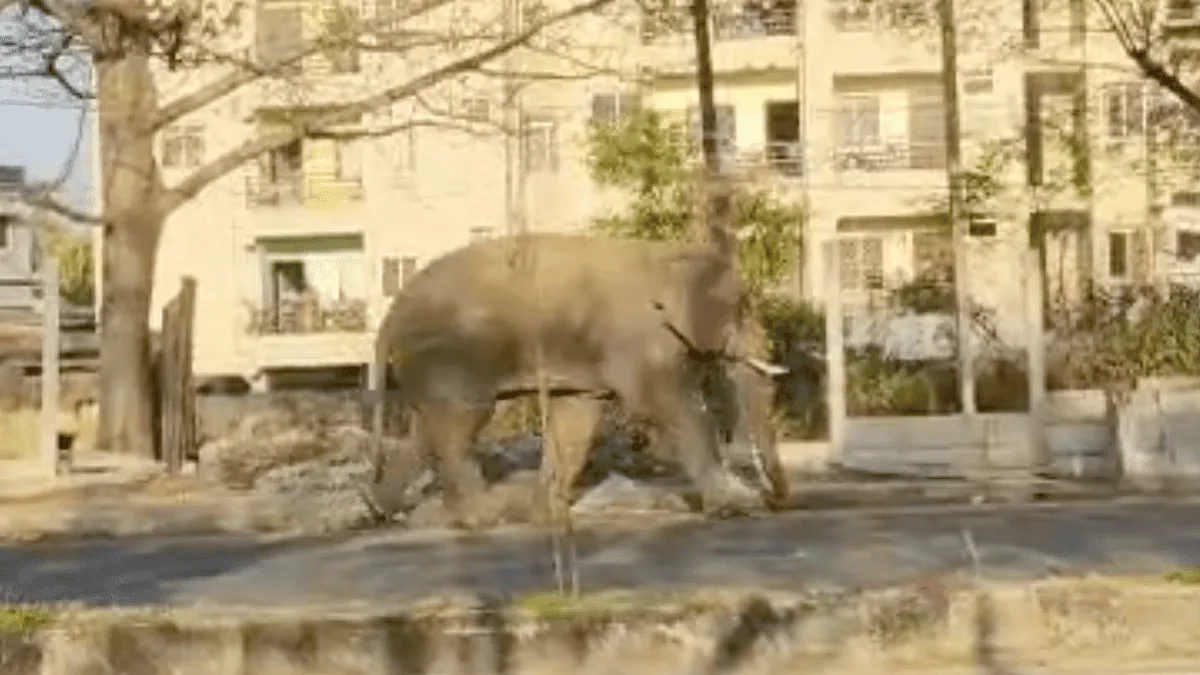
The proposal comes amid growing incidents of human-elephant conflict and wildlife-related casualties across several Jharkhand districts, particularly in forested regions where encounters between humans and wild animals have become increasingly frequent.
Under the proposed framework, the family of a person killed in a wildlife attack would receive an immediate relief amount of Rs 1 lakh after local verification, while the remaining compensation would be processed through a structured mechanism. The proposal also includes a monthly pension of Rs 2,000 for eligible dependents for up to three years.
Compensation for serious injuries may increase from Rs 1.5 lakh to Rs 2 lakh, while relief for minor injuries could rise from Rs 25,000 to Rs 35,000.
The proposal further recommends higher compensation for damage to houses, stored food grains, crops, livestock and other property. Compensation for crop losses is proposed to be revised upward due to rising input costs and inflation.
To ensure quicker payments, the Forest Department has proposed creating a dedicated corpus fund at the divisional level. Officials say the fund would enable immediate assistance to affected families without waiting for lengthy administrative procedures.
The proposal also includes a detailed standard operating procedure mandating time-bound verification, compensation approval and coordination between forest, police and revenue authorities.
Human-wildlife conflict remains a persistent challenge in Jharkhand, particularly in districts such as West Singhbhum, East Singhbhum, Saraikela-Kharsawan, Latehar, Gumla and Simdega, where elephant movement frequently affects villages and agricultural fields.
Officials believe the proposed revision, if approved, would provide greater financial security to affected families and improve the state’s response to wildlife-related emergencies.