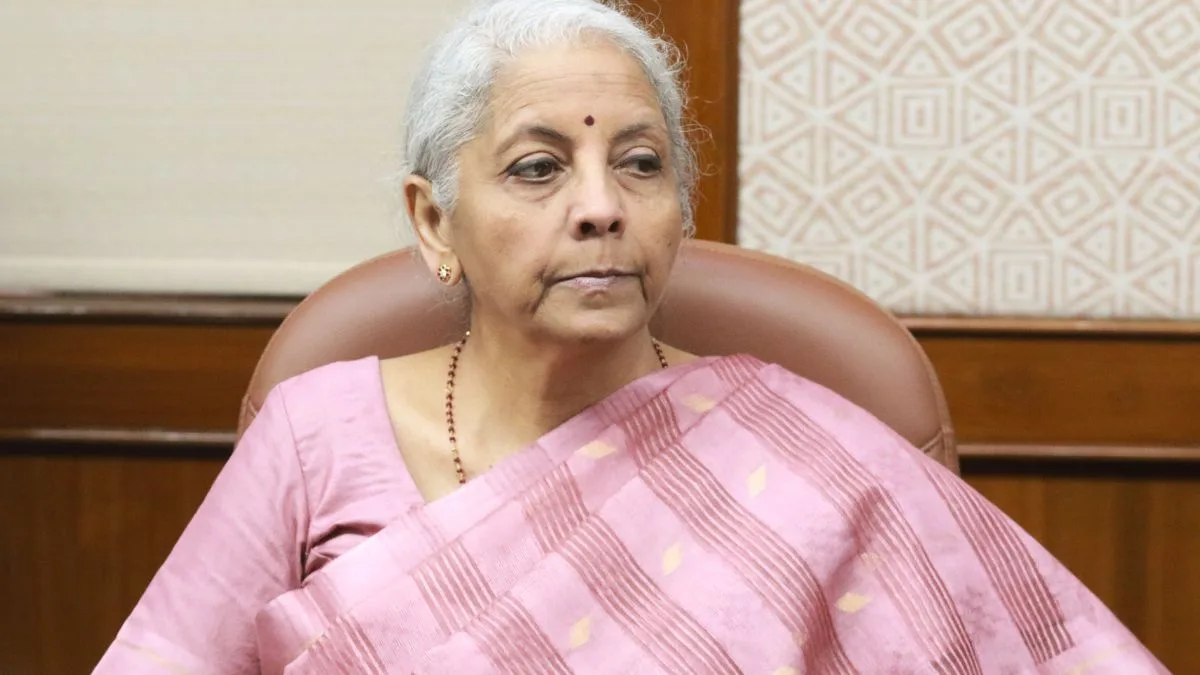
Over 58 crore Jan Dhan accounts have brought millions of Indians into the formal banking system, ensuring that benefits under welfare schemes, low-cost insurance, and pensions reach beneficiaries without leakages, Union Finance Minister Nirmala Sitharaman said.
In a post on X, Sitharaman said, “Garib Kalyan is Hon’ble Prime Minister Shri @narendramodi’s guarantee of dignity, opportunity, and empowerment for every Indian.” She added that India has stood out globally in its fight against poverty and deprivation.
Advertisement
The Pradhan Mantri Jan Dhan Yojana (PMJDY), launched on August 28, 2014, is one of the world’s largest financial inclusion initiatives.
According to government data, 55 per cent of PMJDY account holders are women, while 67 per cent of accounts have been opened in rural and semi-urban areas.
Further, about ₹45 lakh crore has been transferred directly to beneficiaries through Direct Benefit Transfer (DBT), and 94 per cent of India’s adult population now has a bank account.
PMJDY aims to provide banking services to every unbanked household, based on the principle of “banking for the unbanked, security for the unsecured, and finance for the unfunded.”
Accounts opened under the scheme offer zero-balance facilities, free RuPay debit cards, accident insurance cover, and overdraft facilities.
Under the Pradhan Mantri Mudra Yojana (PMMY), 57.26 crore loans have been sanctioned, amounting to ₹39.48 lakh crore, providing collateral-free institutional finance of up to ₹20 lakh to micro and small business units for income-generating activities across manufacturing, trading, services, and agriculture-allied sectors.