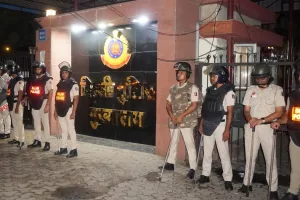
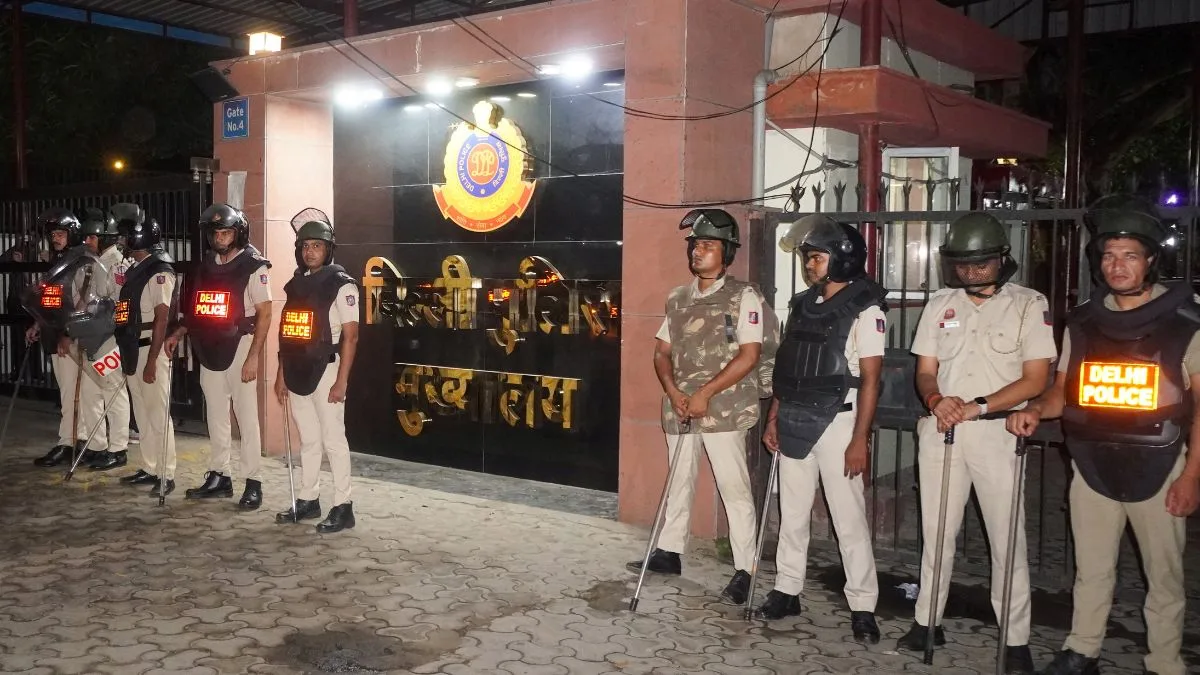
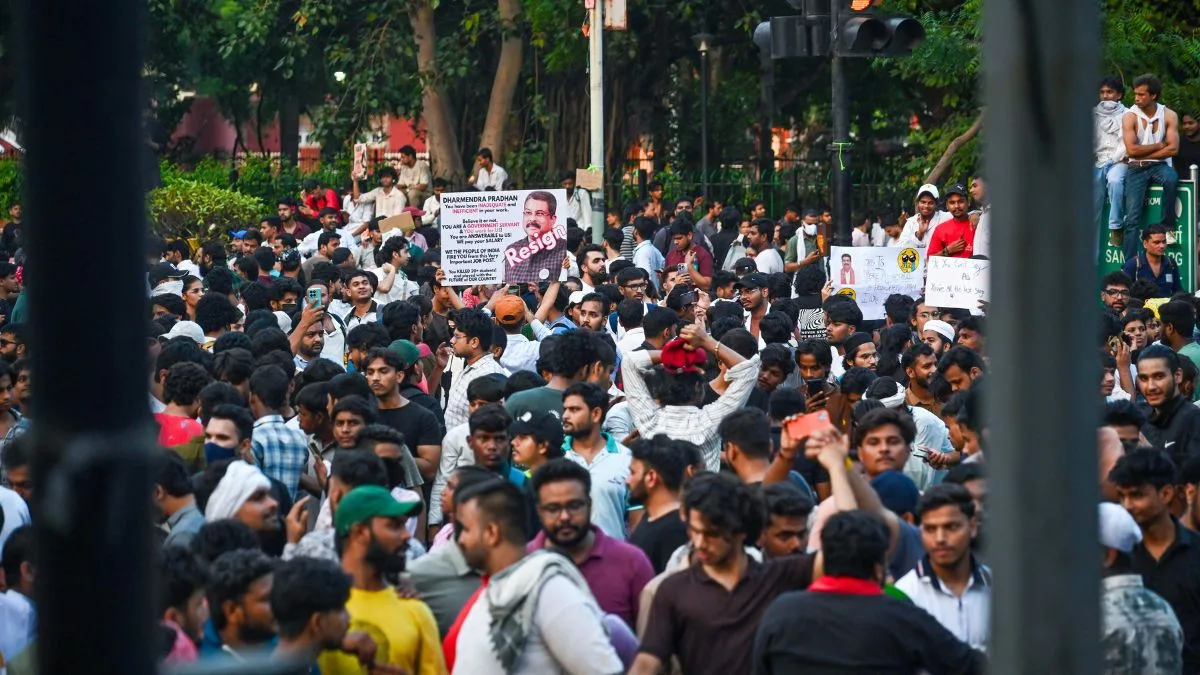
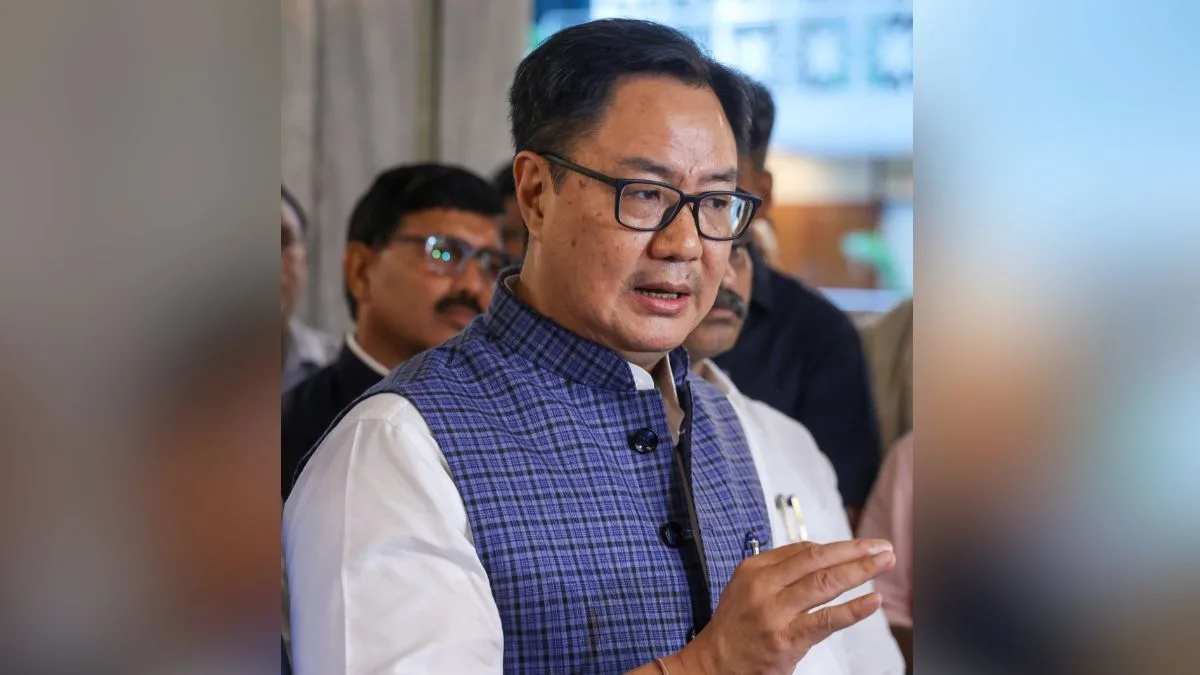
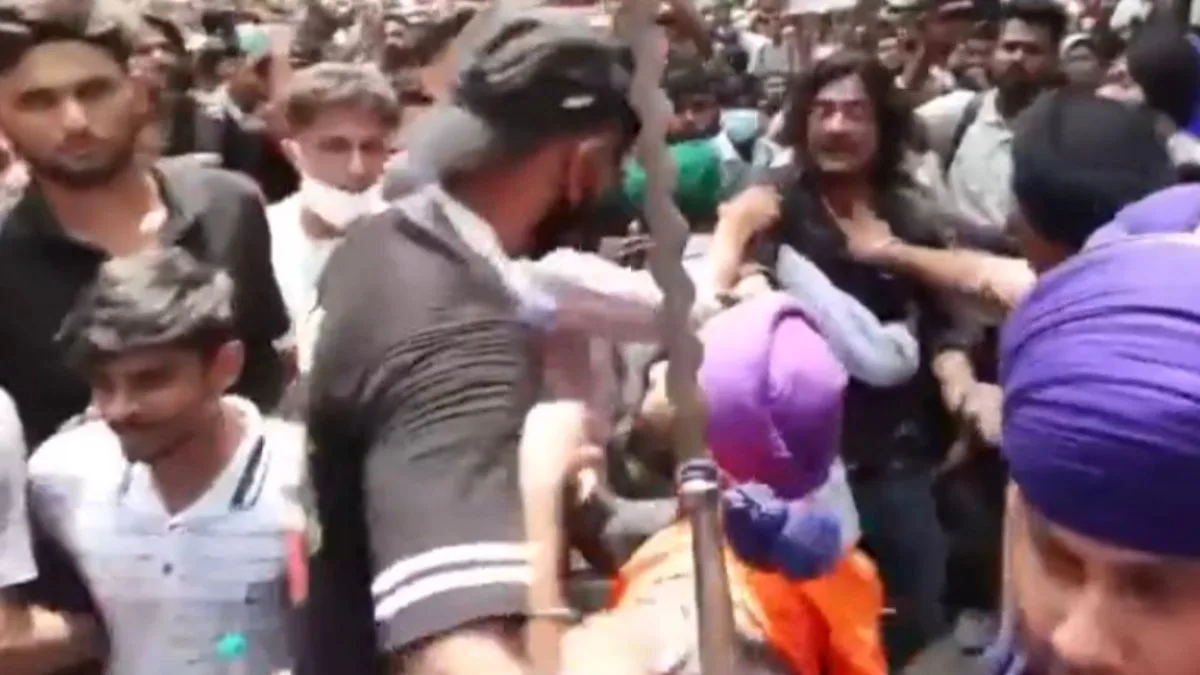
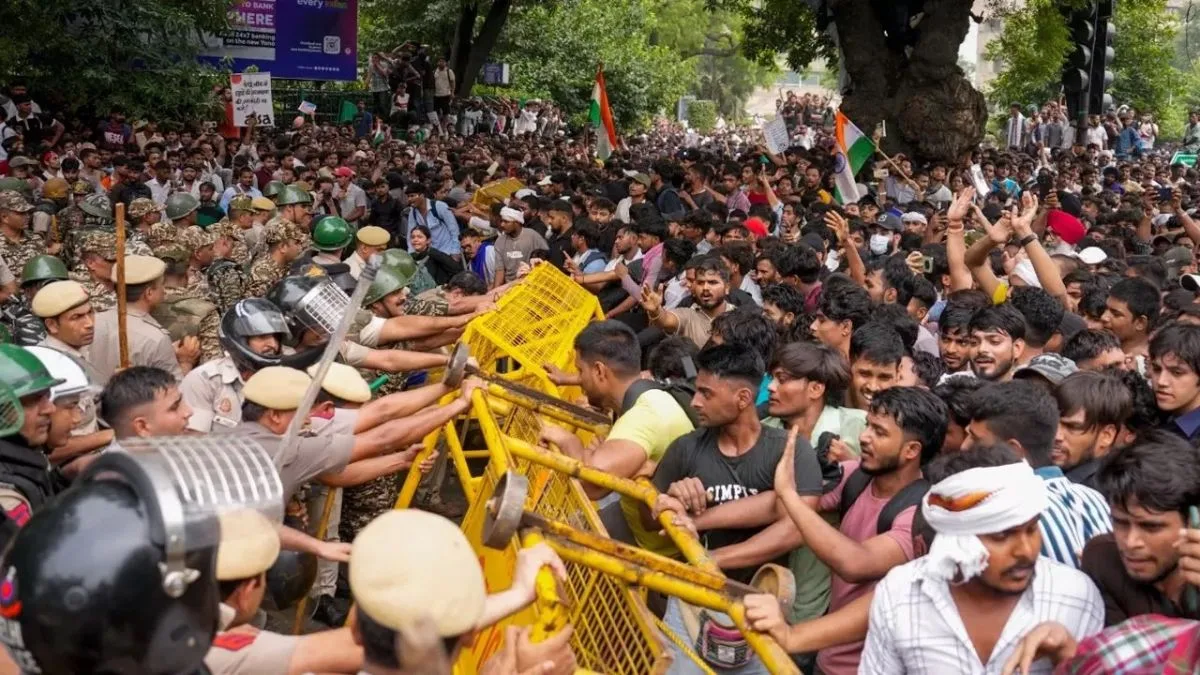
Cockroach Janata Party seeks permission from police to hold rally in Kolkata
The email was sent by a member of the Cockroach Janata Party to the Joint Commissioner of Police (Headquarters) and the Additional Commissioner of Police (Crime).
It was in 1982 that Dr Grace McCann Morley was bestowed the prestigious Padma Bhushan Award by the Government of India for her stellar contributions to the establishment of the National Museum in New Delhi.




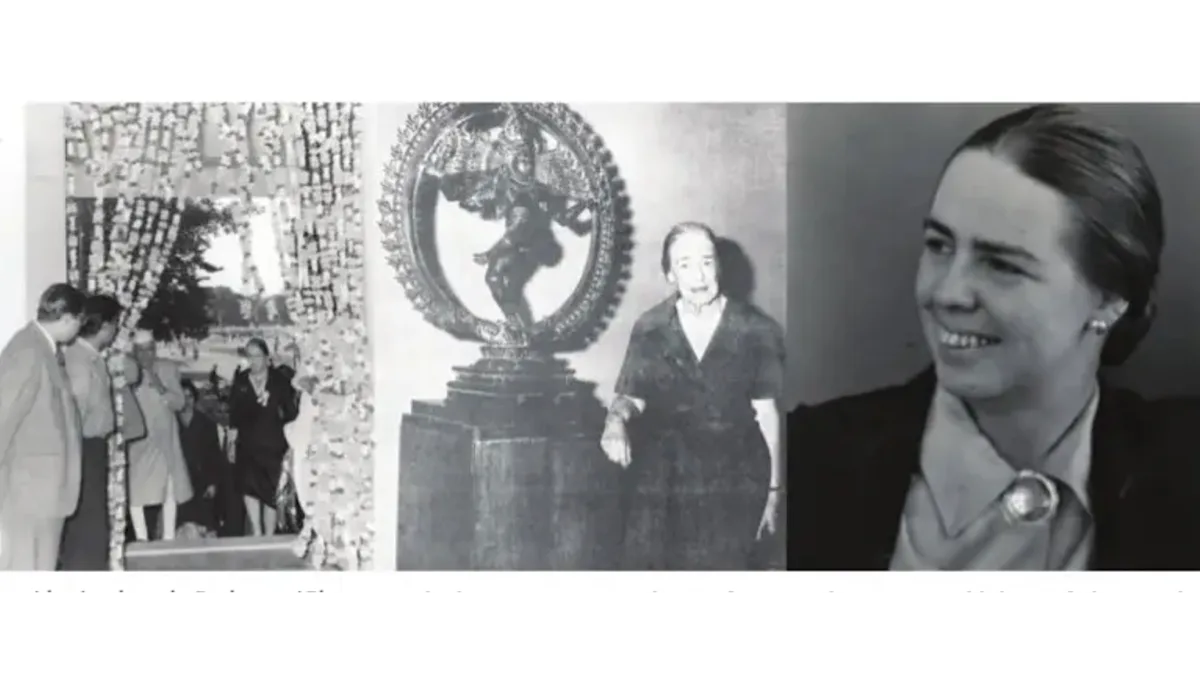
Photo:SNS
It was in 1982 that Dr Grace McCann Morley was bestowed the prestigious Padma Bhushan Award by the Government of India for her stellar contributions to the establishment of the National Museum in New Delhi. “The Padma Bhushan, is a very great honour indeed…In my case, it was recognition as an art historian and an expert on museums. The Indians follow the British tradition in announcing awards on an important date in the history of the country. Of course, Republic Day is the outstanding event from every point of view,” she said in an interview in New Delhi by Porter McCray for the Archives of American Art, Smithsonian Institution.
She was singularly proud that Dr. Stella Kramrisch, who had presented at Philadelphia Museum that great exhibition, ‘Manifestations of Shiva’, also received this award as an art historian. “It came as a great surprise and touches me very deeply,” she said. Before reaching the shores of India, Dr Morley had spent 24 years developing the San Francisco Museum of Modern Art as its director. In 1960 Dr Grace had been Head of the Museums Division of UNESCO when she received word that the Indian Government was keen to appoint her.
Advertisement
“The Indian government wished me to take a contract for three years. However, I did not consent to do that, but suggested that it would be more sensible to start with a contract for half that time. After all, I had no idea whether the Indians would like me, or whether I could do the job they wanted me to do.” She arrived in Bombay on August 6 and spent a few days at the Prince of Wales Museum of Western India. “It was under the directorship of Dr Moti Chandra, one of the great museum men of India, a leader whom I was to come to know very well later, and who was a tremendous help to me,” she recalled. The National Museum’s new building at this time was only the first unit.
Advertisement
It consisted of the entrance hall, the library and the auditorium on either side, and the galleries on three floors. Only the bronzes had been brought to the new building. Since the great exhibition sent to London in 1947-48 had returned to Delhi, the exhibits from the Indian collections had been shown in the president’s palace, the Rashtrapati Bhavan, in the great audience hall and in smaller rooms adjacent. Said Dr Grace, “my first task as the new director was to supervise the transfer of material from Rashtrapati Bhavan to the first unit of the new building and to arrange for its installation in the contemporary pattern of a museum intended for the instruction of the public as well as for its enjoyment. These aims represented quite a challenge to me as a new director.
After all, I knew quite a bit about Indian art, and had long been interested and had seen a great many exhibitions in various parts of the world. However, I was by no means an expert. But I did have the advantage of having eminent scholars as heads of the various departments of the museum, and they were able to give me the expert advice that I needed, and did so with great willingness and helpfulness.” It is professionals and their dedication that go in building institutions like the National Museum.
In the three-hour long oral history interview with Porter McCray, Dr Grace spoke at length about the contributions of Dr Sivaramamurti, Mrs Smita Baxi, Dr P Banerjee and her interactions with the Minister of Scientific Research and Cultural Affairs Humayun Kabir and Prime Minister Pt Jawaharlal Nehru. “Mr Sivaramamurti was an eminent scholar in Sanskrit as well as in art history, a specialist in iconography. He later became assistant director and eventually he was my successor in 1966.
Also, I recall the very great help that Mrs. Smita Baxi was to me in my task. She was trained as an architect and had received her architectural degree in India, but afterwards went for post-graduate architectural studies to the Netherlands. She had been recruited as head of the Exhibition Department, with the title of Keeper. Under her were also the workshops with the large staff of carpenters and cabinet makers required to manufacture the gallery furniture, that is to say, pedestals and built-in wall cases of different types,” she said. “Another staff member I cannot forget is Dr Priyatosh Banerjee.
He was Keeper in Charge of Publications and his task was to print labels, especially the introductory labels that were used at the beginning of each gallery to give some background and to help the public, the visitor, understand what he was going to see and its significance. These labels had to be in English, of course, for the international visitor, but also in Hindi for those of the country. He took charge of publishing the small introductory booklet that we prepared for the opening, giving a little about the history of the museum, the importance of the collections, and listing the staff members,” Dr Grace said in her gracious style.
Dr Banerjee, recounting Dr Morley’s years as Director from 1960-1966, wrote in www.ibiblio.org, “her regime was a glorious one and saw an all-round development of the Museum. Under her loving care and able leadership, the National Museum acquired international recognition as one of the most important institutions of its kind not only in India but also in Asia. Because of her persistent efforts and forethought, the Museum Movement in India gained in strength and fillip and the museums in India came to be recognised not only as the abodes of the cultural objects and research but also as disseminators of knowledge.”
For Dr Banerjee it was a proud moment when the Museum was opened on 18 December 1960 with most of the art and archaeological galleries beautifully set up. “The exhibition was a model of precision, combining historical considerations and aesthetic taste. Of the triple functions of the museum, namely the collection, the preservation and the display Dr Grace rightly emphasised the importance of the exhibition as it provided the best link between the museum and the public. Her exhibitions provided a beautiful harmony between the contents and their style. Further, all the exhibits were provided with brief but suitable captions and also big descriptive labels, charts and diagrams to help the visitors to understand the significance of the objects exhibited.
She believed that a hospital and a museum should look like a mirror as they are important public institutions. Her attention was equally bestowed on public amenities. A museum is to attract the visitors. If it is not neat and clean, it is not only bad for the objects, but the visitors would also not feel attracted to come to it,” he wrote, glowingly about his former Director. Both Dr Grace and Dr Banerjee remember the inauguration of the National Museum with utmost clarity and delight. “The Vice President Dr S Radhakrishnan presided, and at the function were gathered all the political and cultural leaders in Delhi at that time.
It was held in a ‘shamiana’, that is to say, a brilliantly colored tent outside the museum entrance where the formal speeches were delivered. There followed, of course, the visit to the museum galleries,” said Dr Grace. The museum had been prepared in the Indian fashion for its opening. A curtain of marigolds was stretched across the entrance, and in the entrance hall, in the centre, there was a lamp of the traditional kind used always to open events in India, especially cultural events, dance recitals and the like. There was also a floor decoration in colours traditional in many parts of the country.
“Mr Nehru, then Prime Minister, had been a leader in the planning for the National Museum, in urging that the materials which had come back from London should be shown there in the capital, and Dr Radhakrishnan had been a great supporter of the museum in its slow progress as the building was constructed. They both took a deep interest during this first visit and asked many questions of the respective keepers, who stood in their galleries to help in interpreting the great treasures that the museum already possessed,” she said. Very soon after the opening, development of educational activities began.
The National Museum had several guides and lecturers and they offered guided tours of the galleries. Soon, the National Museum added an innovation: regular film shows on archaeological or historical subjects, monuments and sculptures in the galleries. With International Museum Day commemorated last month, we paid our homage to Dr Grace Morley, Dr C Sivaramamurti, Dr Moti Chandra, Amalananda Ghosh among several pioneers of the Archaeological Survey of India, National Museum and Chhatrapati Shivaji Maharaj Vastu Sangrahalaya, (CSMVS) formerly Prince of Wales Museum of Western India. Their visionary work gave our India a new sense of identity through our rich history.
(The writer is a researcher-autho r on history and heritage issues, and a former deputy curator of Pradhanmantri Sangrahalaya)
Advertisement