New Zealand capital faces a sewage crisis as a blocked wastewater main sends raw waste into suburban homes and streets.
A thunderstorm struck Wellington overnight on Thursday, June 4, 2026. MetService recorded more than 5,000 lightning strikes overnight in Wellington. The storm dropped 25.7 millimetres of rain on the city in a two-hour period.
Advertisement
The rain overwhelmed the city’s already fragile wastewater network. By Friday morning, residents in the suburb of Island Bay woke to flooded streets carrying raw sewage.
Faeces in the streets
Wellington Water said the wastewater overflow in Island Bay was the result of a blocked main. Five properties were affected by the overflow. Its crews were working to remove faeces and sanitary products and disinfect the homes.
Island Bay resident Richard Peters told national broadcaster RNZ the situation was “disgusting.” He described finding “literally pieces of poo on the ground, tampons and brown water” after the flooding receded.
“There is a suction truck onsite at the overflow,” Wellington Water said in a statement. “We are aware of a number of properties with overflows because of the mains blockage. We are working with property owners to assist with cleaning and disinfecting.”
Moa Point plant takes another hit
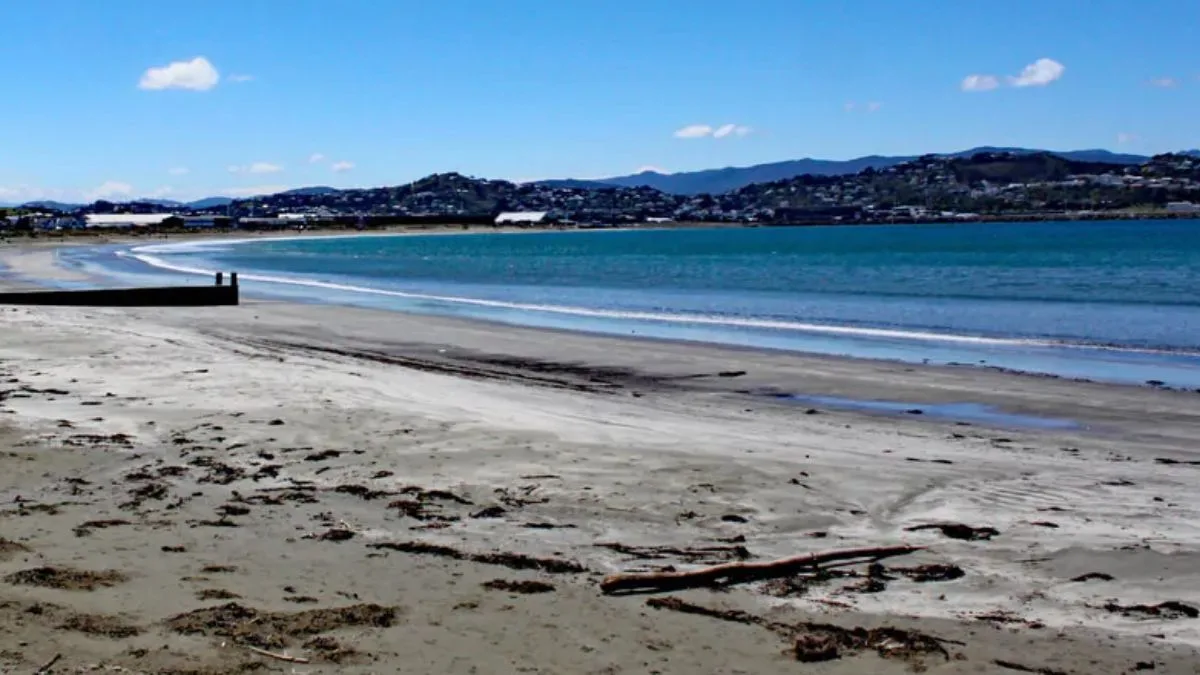
The overnight storm also made a longer-running crisis worse. Wellington Water said the intense rain caused more problems for the stricken Moa Point wastewater treatment plant. The plant has not functioned properly since a storm in February. Millions of litres of raw sewage have flowed into the waters off Wellington’s south coast beaches since the breakdown of the facility.
Minor fixes have been in place since the February breakdown. The plant will not be fully operational until November.
Wellington Water said the thunderstorm led to more raw, untreated wastewater being pumped into the sea overnight.
The Moa Point facility is the main wastewater treatment plant for Wellington’s south coast. The crisis at the plant erupted around 1am on a stormy night when sewage backed up the 1.8-kilometre outfall pipe, overwhelming lower plant levels.
February breakdown: What happened
The current problems trace back to early February 2026. A catastrophic failure at the Moa Point Wastewater Treatment Plant occurred during heavy rains on February 4. Following an outlet blockage, tens of millions of litres of raw, untreated sewage poured into the ocean. Repairs are expected to take months and cost millions of dollars.
During a major storm on February 15 to 16, sewage that had not undergone biological or ultraviolet treatment was pushed back towards the coast. Winds of 120km/h lashed nearby suburbs with toxic waste.
Mussels, kina, pāua, sponges, fish, and penguins were identified as potentially at risk as 70 million litres of sewage a day flowed into the sea.
South coast beaches closed
Wellington Water advised residents to stay away from Tarakena Bay and not to swim, surf, or kayak along Wellington’s south coast until further notice.
The biggest risk to health is from direct contact with the water, such as swimming. If residents develop symptoms such as vomiting, diarrhoea, fever, cough, rash, or irritation of the ear, nose, or throat, they are advised to seek medical attention and inform the healthcare provider of possible contact with sewage.
In windy conditions, there is a low risk that sea spray containing contaminants could cause illness. In conditions with large wave action and strong wind, residents are advised as a precaution to keep windows closed.
Wellington Water also issued a public reminder about what can safely be flushed. The company asked the public to only flush the three P’s: pee, poo, and toilet paper. This is to help reduce the amount of unscreened material being discharged from the short outfall pipe.
Decades of under-investment
The sewage crisis has put a spotlight on Wellington’s ageing water infrastructure. The pipelines in the Wellington metropolitan area are in significantly worse condition than those in other large networks nationwide. There has been a recent history of serious failures.
Benchmarking data published by Water New Zealand as part of their 2018/19 National Performance Review showed that capital expenditure on three waters assets in the Wellington region is well below the average of other major centres. For the wastewater network, expenditure was the lowest out of the seven large networks reviewed.
In 2024, a Wellington Regional Councillor said the deterioration of the city’s water infrastructure had reached a state of “network fault runaway,” where there was more expenditure on repairs than planned replacements. The councillor forecast that as a consequence of 50 years of under-investment, annual household rates for water services would need to rise over the next ten years from around $1,711 to between $3,000 and $4,000.
Contractor under scrutiny
The French multinational Veolia has also faced questions. Authorities found that Veolia, the company responsible for plant maintenance, had failed basic maintenance tests over recent years. Veolia has reportedly faced multiple lawsuits for issues with wastewater management overseas and has paid out millions of dollars in the United States to settle sewage failure claims.
In 2018, Veolia agreed with the Massachusetts state government to pay a $1.6 million penalty after it allegedly failed to properly maintain a wastewater treatment plant in Plymouth. The failure resulted in more than 10 million gallons of raw sewage contaminating parts of the town.