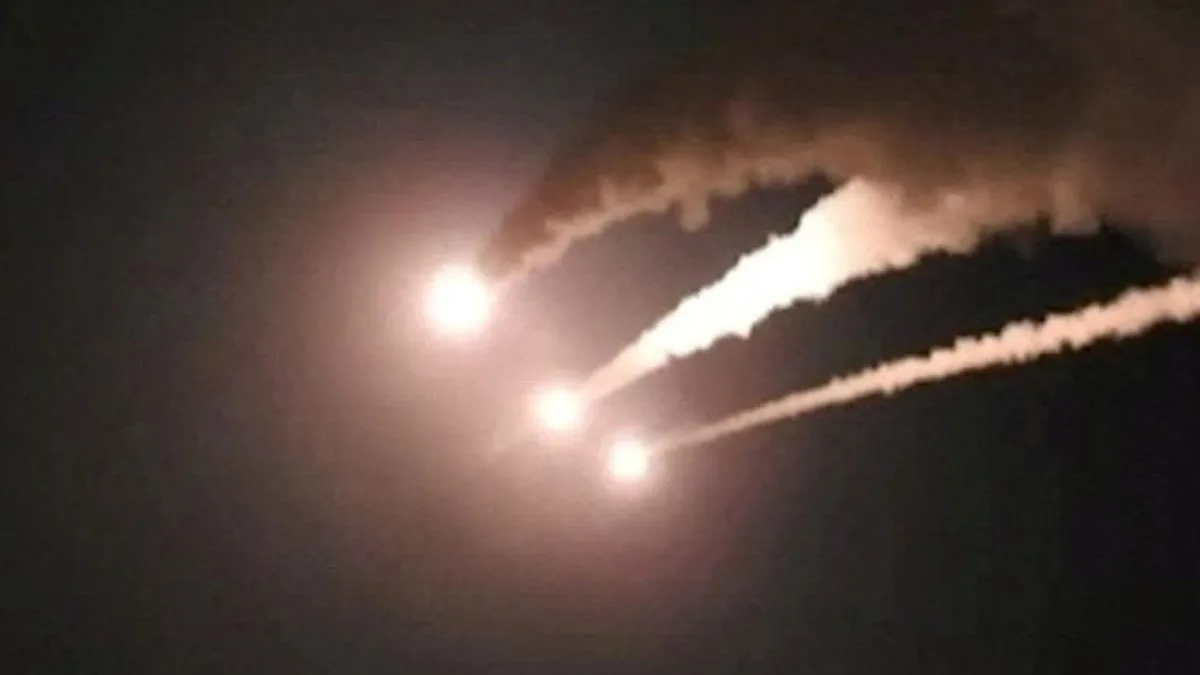
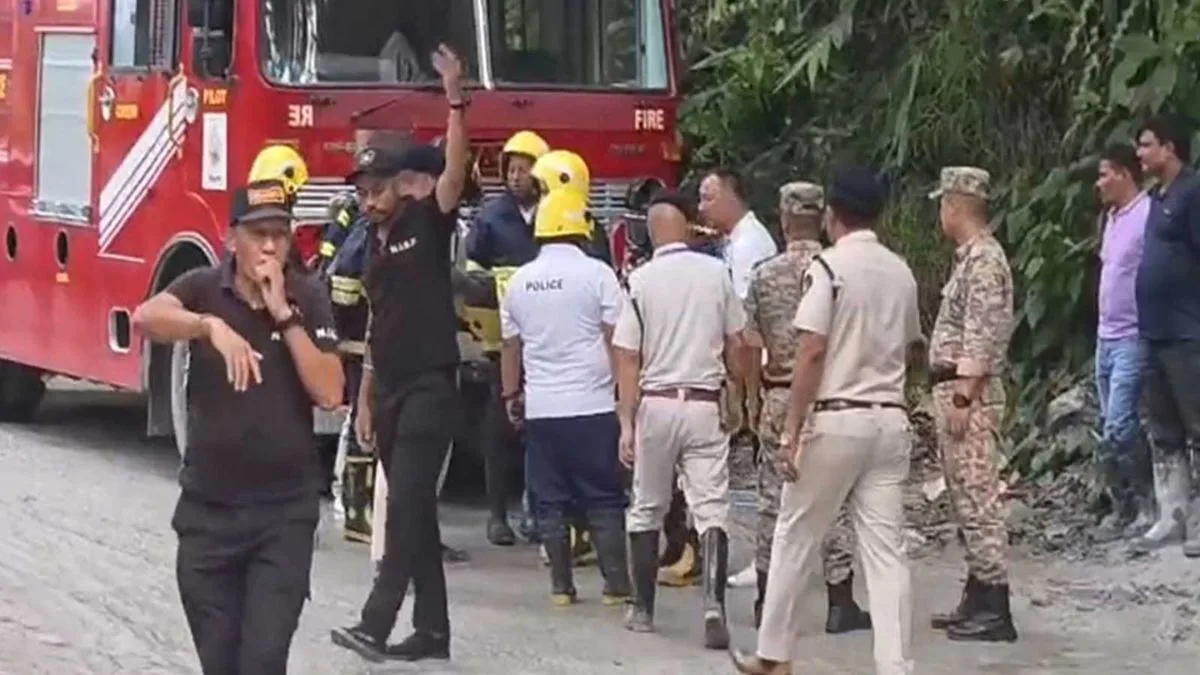
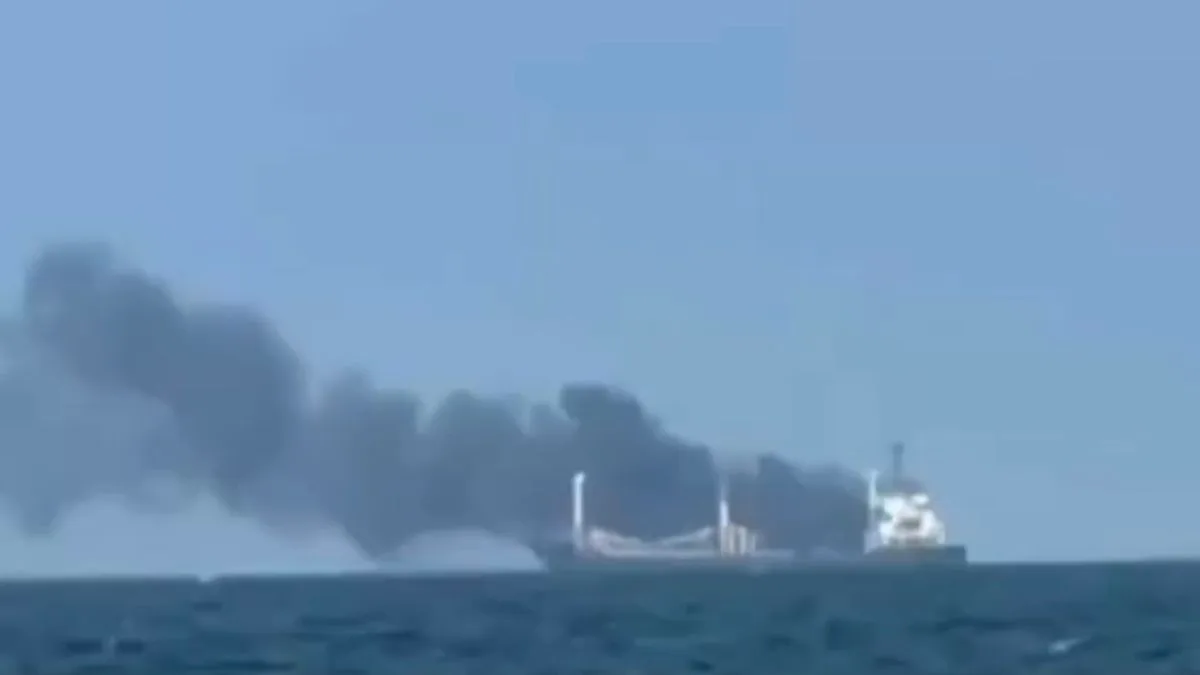
US launches fresh strikes after 2 military personnel killed by Iranian attack
Before carrying out strikes on Saturday, Iran's supreme leader had earlier warned that Washington would pay for "seeking to escalate the conflict."
Rubio’s testimony, which coincided with a fresh round of Israel-Lebanon political talks at the State Department, offered few definitive answers on several key issues.





File Photo
Facing Congress for the first time since the latest escalation in the Middle East, Secretary of State Marco Rubio defended the Trump administration’s foreign policy approach, insisting that Iran’s military capabilities had been “significantly degraded” and that Tehran was showing greater openness to negotiations over its nuclear programme.
While he suggested that previously “non-negotiable” issues were now on the table, Rubio cautioned that a final agreement could still take months to achieve.
Advertisement
The hearing, however, quickly turned combative as Democratic Senator Chris Van Hollen launched a sharp attack on the administration’s handling of global crises, setting the tone for a tense and confrontational session.
Advertisement
Israeli Prime Minister Benjamin Netanyahu “said he’s been waiting 40 years to do this,” Van Hollen said. “It turns out he finally found a president who was both stupid and reckless enough to join him. Let’s face it, Mr. Secretary, the Trump foreign policy has become a dumpster fire.”
Rubio’s testimony, which coincided with a fresh round of Israel-Lebanon political talks at the State Department, offered few definitive answers on several key issues. On Iran, Rubio said Tehran would not receive major economic benefits simply for reopening the Strait of Hormuz, a vital route for global oil shipments.
He stressed that meaningful sanctions relief would require further concessions on its nuclear programme. “The more they give, the more they would get,” he said, later adding, “They’re not going to get it as a signing bonus.”
Rubio also suggested that Iran’s new Supreme Leader, Mojtaba Khamenei, was playing an increasingly active role in negotiations despite remaining out of public view since the war began. “I think there are indications out there that he is increasingly engaging at some level, although all of his communications have been in writing and through intermediaries,” he said.
Rubio faced questions over the legality of Pentagon strikes targeting suspected drug-smuggling vessels in the Caribbean Sea and eastern Pacific Ocean, operations that have reportedly killed more than 200 people since early September.
Democratic Senator Tim Kaine of Virginia noted that the military’s classified targeting criteria do not list the presence of drugs on a vessel as a justification for a strike.
Calling the situation “odd,” he said he was limited in what he could disclose publicly. Rubio rejected concerns over the operations, stating that legal officers review every strike before approval and that the military had repeatedly cancelled planned attacks when they failed to meet targeting requirements.
The Trump administration has argued that the United States is effectively at war with drug cartels, while many Democrats continue to challenge both the legality and effectiveness of the campaign. Rubio is scheduled to appear before Congress for two additional hearings on Wednesday, formally focused on the State Department’s budget request but expected to feature further questions on foreign policy.
Rubio also addressed a proposed $14 billion arms package for Taiwan, confirming that the Trump administration had not approved the deal but insisting it remained under active consideration. He noted that Washington had authorised $11 billion in arms sales to Taiwan in December and dismissed suggestions that delays were linked to pressure from China, although Beijing frequently raises the issue in bilateral discussions.
“They are constantly talking about Taiwan arms sales, but that in no way is what is holding up our decision-making or the White House’s decision-making,” Rubio said. “It is something the president will have to decide on the timing of when and how that is executed on.” On China’s military ties with Iran, Rubio acknowledged that Tehran continues to possess Chinese-supplied military equipment but said there was no evidence that such support had “changed the dynamic in the battlefield.”
His remarks came after the State Department imposed sanctions last month on three China-based entities accused of supplying satellite imagery that facilitated Iranian military strikes against U.S. forces in the Middle East.
Rubio, whose parents emigrated from Cuba, also faced questions over the administration’s increasingly aggressive stance toward Havana.
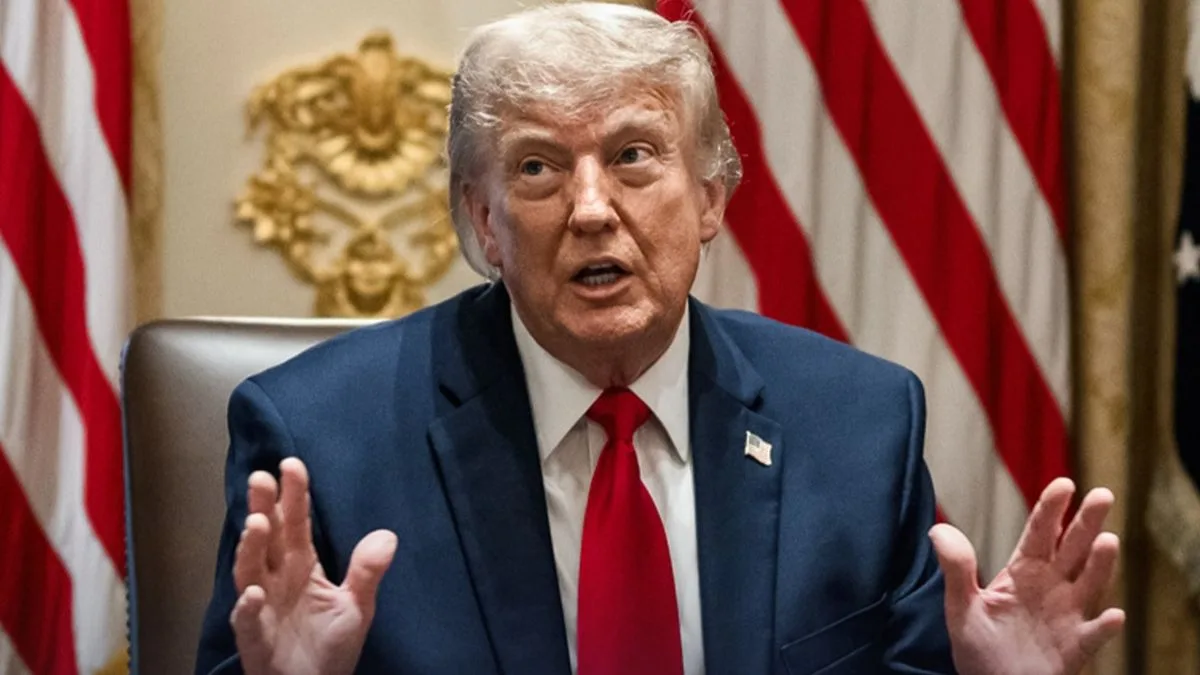
President Trump has suggested that Cuba could become a future focus of U.S. action once operations involving Iran are concluded.
As Rubio entered the Senate briefing room, protesters interrupted proceedings with chants of “stop killing Cubans” and “Let Cuba live!” before being removed by security personnel.
Defending the administration’s policy, Rubio argued that meaningful change in Cuba would require a transformation of its political leadership. “I really don’t believe this system is capable of reform unless new people take over or a new mindset takes hold,” he said.
Despite recent contacts between U.S. and Cuban officials, Trump and Rubio have renewed pressure on Havana, a campaign that gained momentum following the administration’s decision to bring criminal charges against former President Raúl Castro.
Throughout his Senate career and now as America’s top diplomat, Rubio has consistently argued that Cuba poses a national security challenge because of its ties to U.S. adversaries and has maintained that the Trump administration remains committed to confronting that threat.
Advertisement