For much of the Indian Premier League’s history, Royal Challengers Bengaluru symbolised a familiar contradiction. It was one of the tournament’s most popular franchises, possessed some of the biggest names in world cricket and commanded a vast fan following, yet success repeatedly slipped from its grasp. That image now belongs firmly to the past. Back-to-back IPL titles mark more than a sporting achievement.
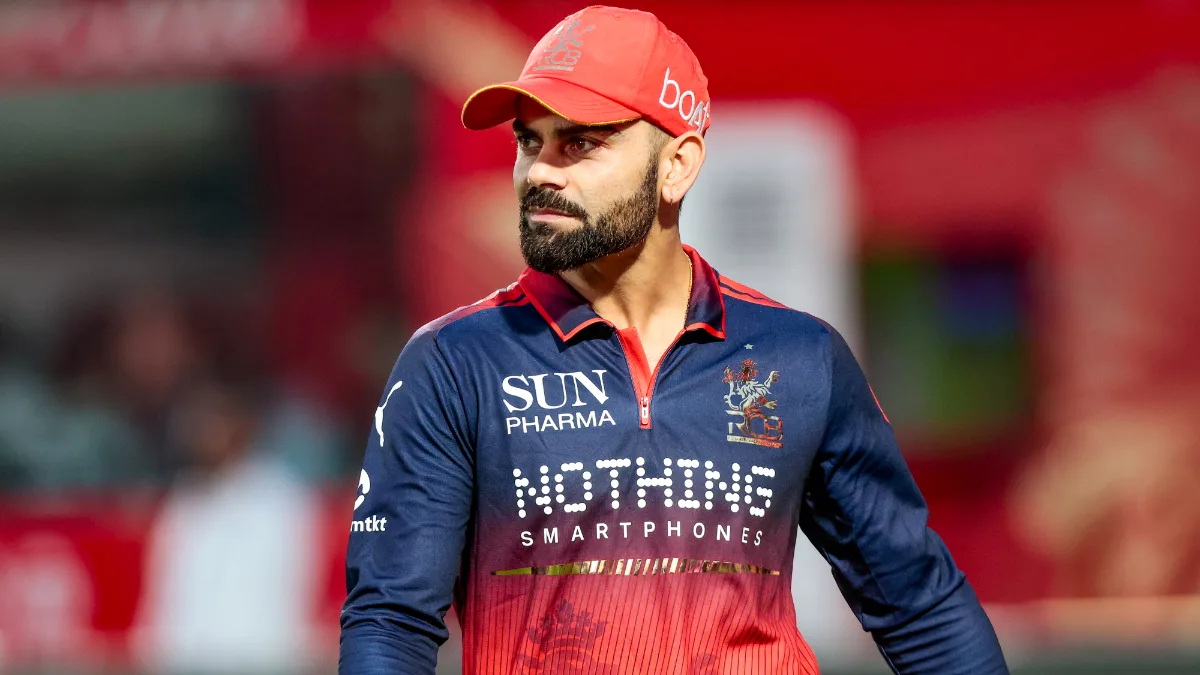
They signal the transformation of a franchise that has finally learned the difference between celebrity and institution-building. In a competition often dominated by star power, Bengaluru’s recent success suggests that sustainable excellence is ultimately built on depth, balance and organisational clarity. The temptation is to view the latest triumph primarily through the prism of Virat Kohli. That is understandable. Few cricketers have exerted such a powerful influence on a franchise for nearly two decades. His longevity, consistency and ability to perform under pressure remain extraordinary.
Advertisement
At an age when many T20 players are contemplating retirement, Kohli continues to shape matches and define standards. Yet the larger story lies elsewhere. The IPL has matured into a competition where individual brilliance alone is rarely enough. Teams that consistently contend for titles are those that develop robust systems, identify roles clearly and create environments in which multiple players can contribute. The dominance once associated with franchises such as Chennai Super Kings and Mumbai Indians emerged not merely from great players but from strong cultures. Bengaluru now appears to have joined that club. This evolution reflects a broader trend within Indian cricket.
The country’s talent pipeline has become so deep that franchises can no longer rely on a handful of marquee names. Success increasingly depends on scouting networks, analytical planning, coaching structures and the ability to integrate domestic and international talent. The modern IPL champion resembles a well-run institution rather than a collection of superstars. For Indian cricket, that is an encouraging development. The league’s greatest contribution has never been entertainment alone. It has created a competitive ecosystem that rewards professionalism and exposes emerging players to elite standards. When franchises succeed through collective strength rather than individual dependence, the benefits extend beyond the tournament itself.
Kohli’s presence nevertheless gives Bengaluru’s rise a symbolic dimension. His career has often mirrored the aspirations of contemporary Indian cricket: ambitious, relentless and unwilling to accept limitations. The fact that the franchise has reached its most successful phase while its most iconic player remains central to the project adds a sense of completion to a long journey. The significance of consecutive titles, therefore, is not merely that Bengaluru has won again. It is that one of the IPL’s most recognisable teams has finally evolved from a brand built around a star into a champion built to endure. That may prove to be the most important victory of all.