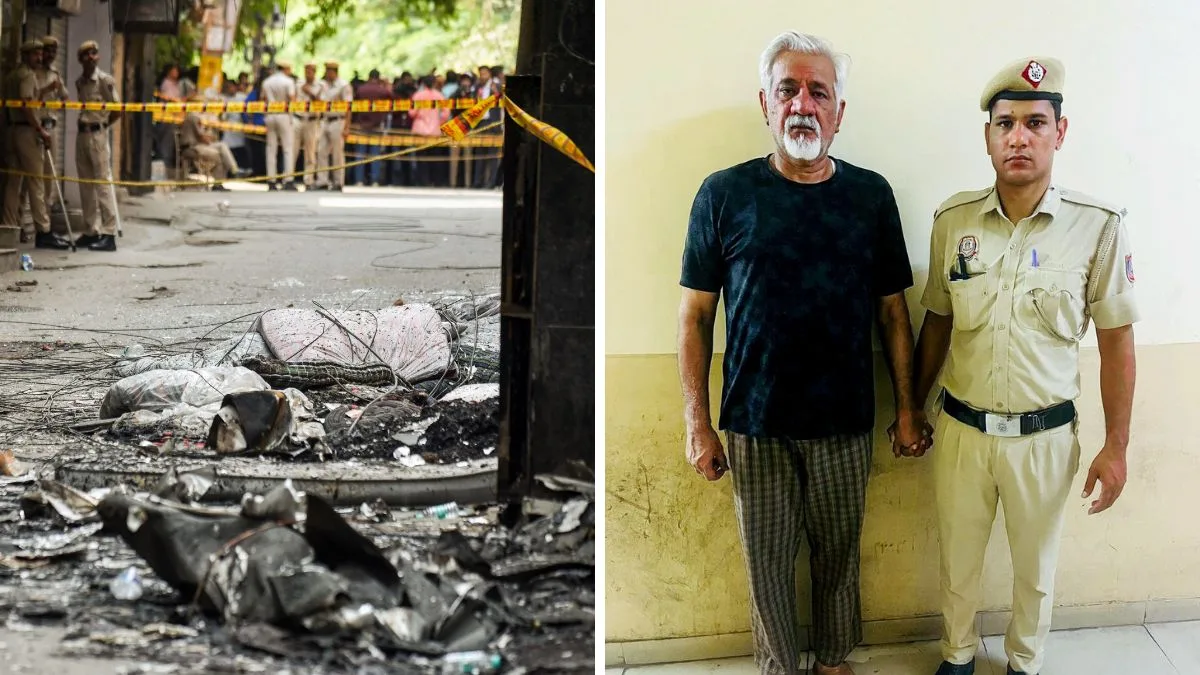
After 20 years in Saudi prison, Abdul Rahim finally returns home to his mother in Kerala
Abdul Rahim’s return to Kerala ended a two-decade ordeal that sparked one of the biggest Malayali-led humanitarian campaigns across the world.
For years, Saudi Arabia sold the world a vision that seemed to belong more to speculative fiction than economic planning.




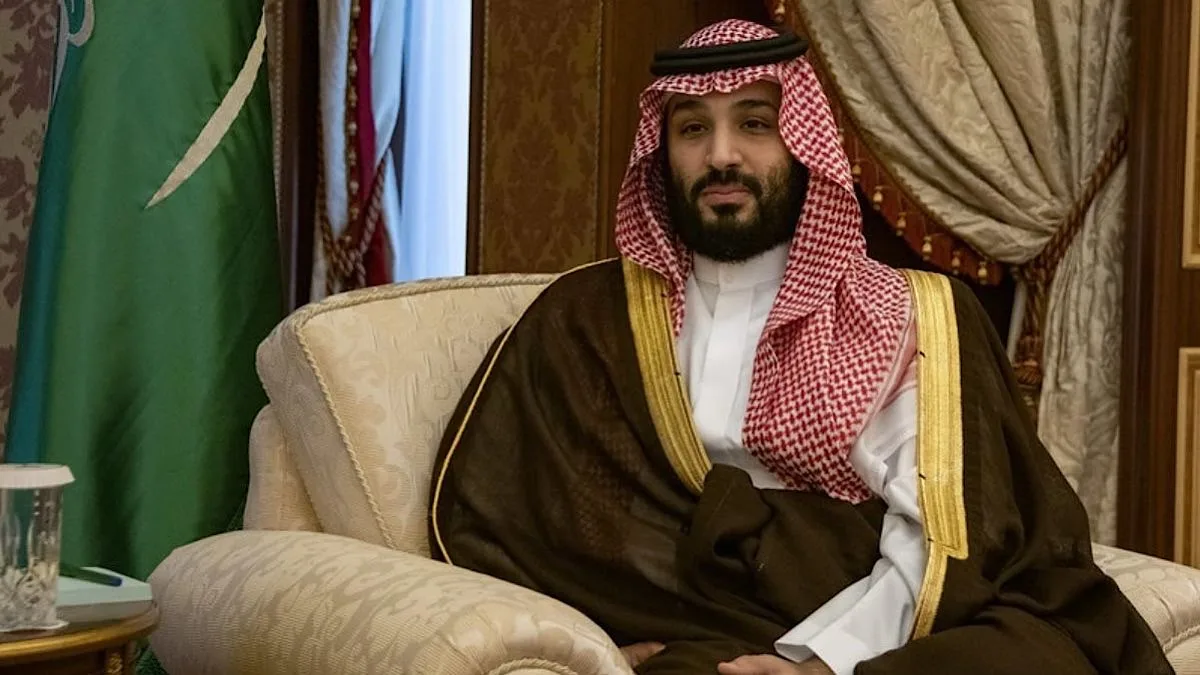
Saudi Crown Prince Mohammed bin Salman (File Photo: State Dept/IANS)
For years, Saudi Arabia sold the world a vision that seemed to belong more to speculative fiction than economic planning. Mirror-walled cities stretching across deserts, artificial ski resorts in arid mountains, futuristic business hubs and limitless sporting ambitions were projected not merely as infrastructure projects, but as symbols of a post-oil civilisation under construction.
Today, many of those ambitions are being quietly reduced, delayed or discarded. What is unfolding is not simply a financial adjustment. It is the collision between authoritarian spectacle and economic reality. The retreat from several headline projects under Vision 2030 marks an important moment in the evolution of Crown Prince Mohammed bin Salman’s Saudi Arabia. The kingdom is discovering that state wealth, however immense, cannot indefinitely substitute for commercial logic, investor confidence or geopolitical stability. Oil revenues can finance announcements.
Advertisement
They cannot guarantee viable cities, sustainable tourism ecosystems or functioning global business hubs. The deeper problem lies in the structure of decision-making itself. Systems built around concentrated power often produce grand ambition with limited internal scrutiny. When rulers are insulated from criticism, projects become political symbols before they are subjected to commercial examination. Consultants, contractors and foreign partners rarely challenge extravagant visions when billions of dollars in contracts are at stake. The result is an environment where scale itself becomes a substitute for feasibility. Saudi Arabia is hardly the first state to discover this. Across modern history, highly centralised governments have repeatedly attempted to manufacture national transformation through monumental construction and image projection. Yet it would be simplistic to dismiss Vision 2030 as failure.
Advertisement
Saudi Arabia has undeniably changed. Riyadh today is socially and culturally different from the kingdom of a decade ago. Entertainment, tourism, women’s participation in public life and consumer culture have expanded. The leadership has succeeded in reshaping everyday urban life far more effectively than it has diversified the economy. That distinction matters. Creating a globally competitive post-oil economy requires predictable institutions, private-sector confidence, legal transparency and long-term investor trust. Those cannot be built solely through decree or sovereign wealth spending. This contradiction has become sharper amid growing regional instability. The Gulf’s economic model increasingly depends on presenting itself as a secure haven for global capital, tourism and technology investment.
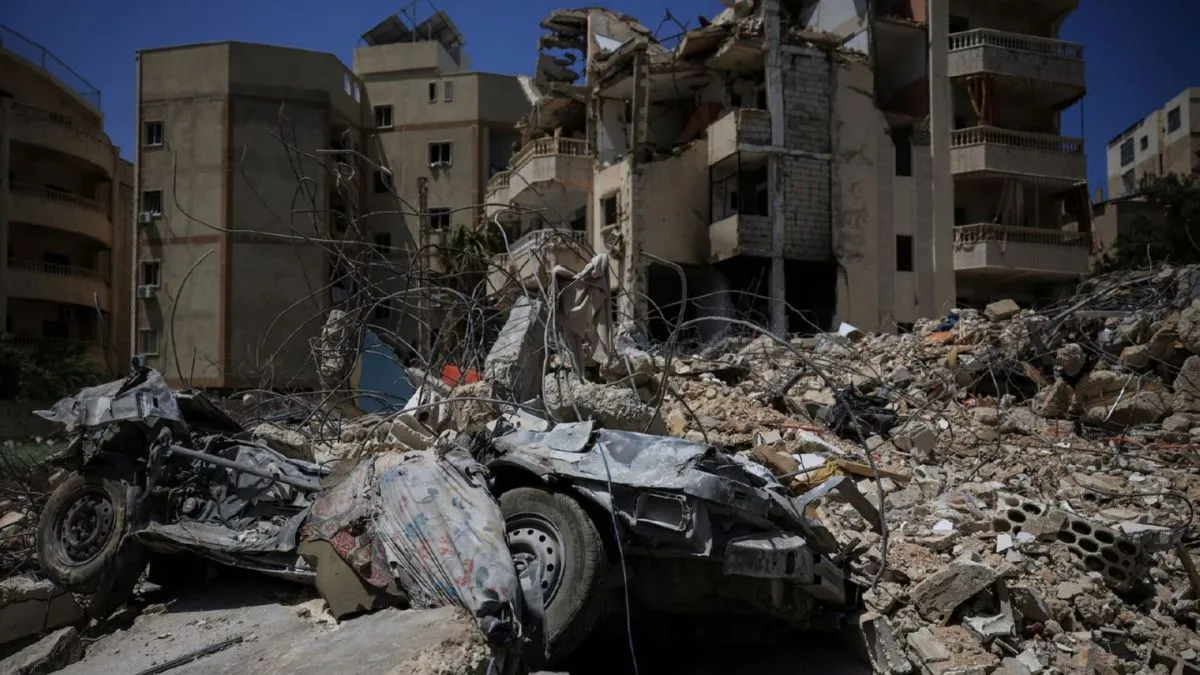
Any prolonged confrontation involving Iran, Israel or the United States threatens that carefully cultivated image. Mega-projects designed for an era of global optimism suddenly appear vulnerable in a region once again defined by geopolitical uncertainty. Saudi Arabia now appears to be shifting from fantasy-driven expansion toward selective pragmatism. Smaller, commercially viable projects tied to heritage tourism, logistics, mining and entertainment are more likely to survive than futuristic experiments designed to shock the world into admiration. The real lesson of this moment extends beyond Saudi Arabia. In an age of social media spectacle, governments increasingly mistake visibility for viability. But eventually, every grand narrative reaches the same unforgiving test: whether it can survive contact with economics, politics and reality itself
Advertisement