PoJK unrest: A timeline of Shehbaz Sharif govt’s brutal crackdown on JAAC
If no concrete action is taken, the JAAC will resume the long march toward Muzaffarabad on July 22, while the ongoing sit-ins across PoJK continues.
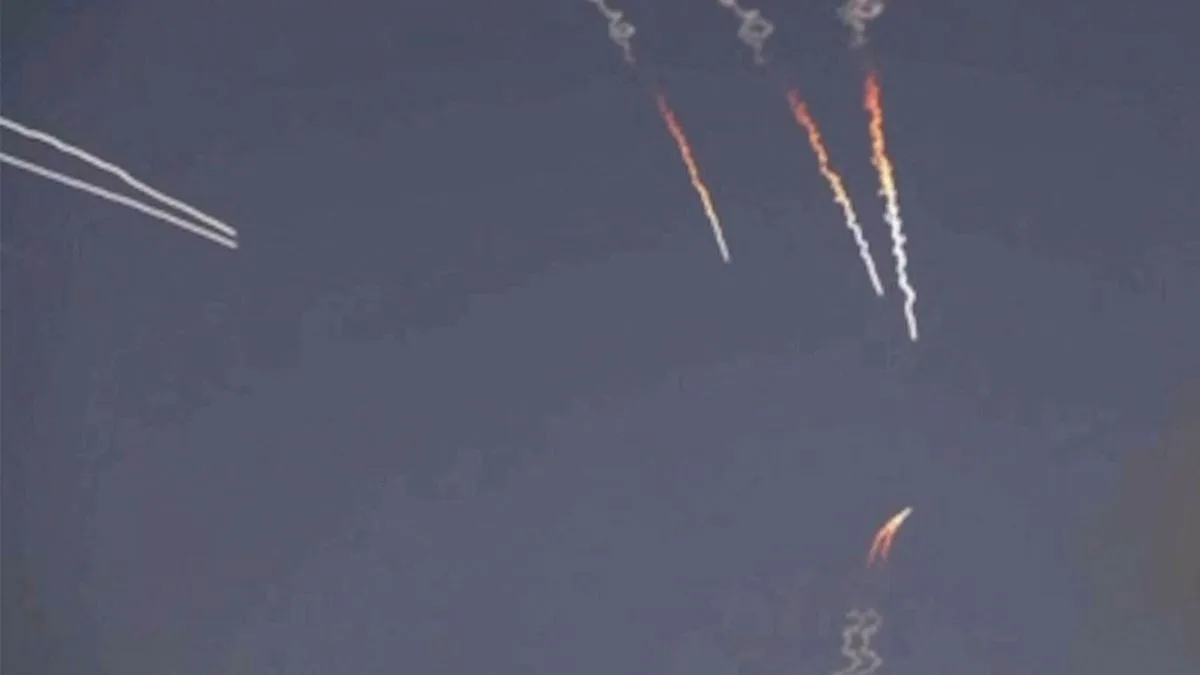
One year after Operation Sindoor pushed India and Pakistan to the edge of open war, South Asia is living through a paradox: deterrence succeeded, but stability weakened.





A graphic representing Operation Sindoor,
One year after Operation Sindoor pushed India and Pakistan to the edge of open war, South Asia is living through a paradox: deterrence succeeded, but stability weakened. The four-day confrontation ended quickly enough to prevent catastrophic escalation between two nuclear powers.
Yet the aftermath has produced neither reconciliation nor durable restraint. Instead, the conflict appears to have institutionalised a new condition of permanent hostility in which both sides believe they emerged strategically stronger. That is the most dangerous outcome possible. For India, the military operation marked a decisive political shift. New Delhi no longer appears willing to separate cross-border terrorism from the Pakistani state structure that shelters or tolerates militant infrastructure.
Advertisement
The message after the Pahalgam killings and subsequent retaliation was unmistakable: future attacks may invite direct military punishment, not merely diplomatic protest, or symbolic strikes. This effectively lowers the threshold for conventional conflict in South Asia. But Pakistan also drew conclusions from the same confrontation. Despite India’s superior economic and military weight, Islamabad survived the initial assault, international pressure rapidly mounted for de-escalation, and outside powers intervened before the conflict could widen. Within Pakistan’s strategic establishment, that sequence reinforced a long-held assumption that nuclear risk still provides a protective umbrella against prolonged conventional warfare.
Advertisement
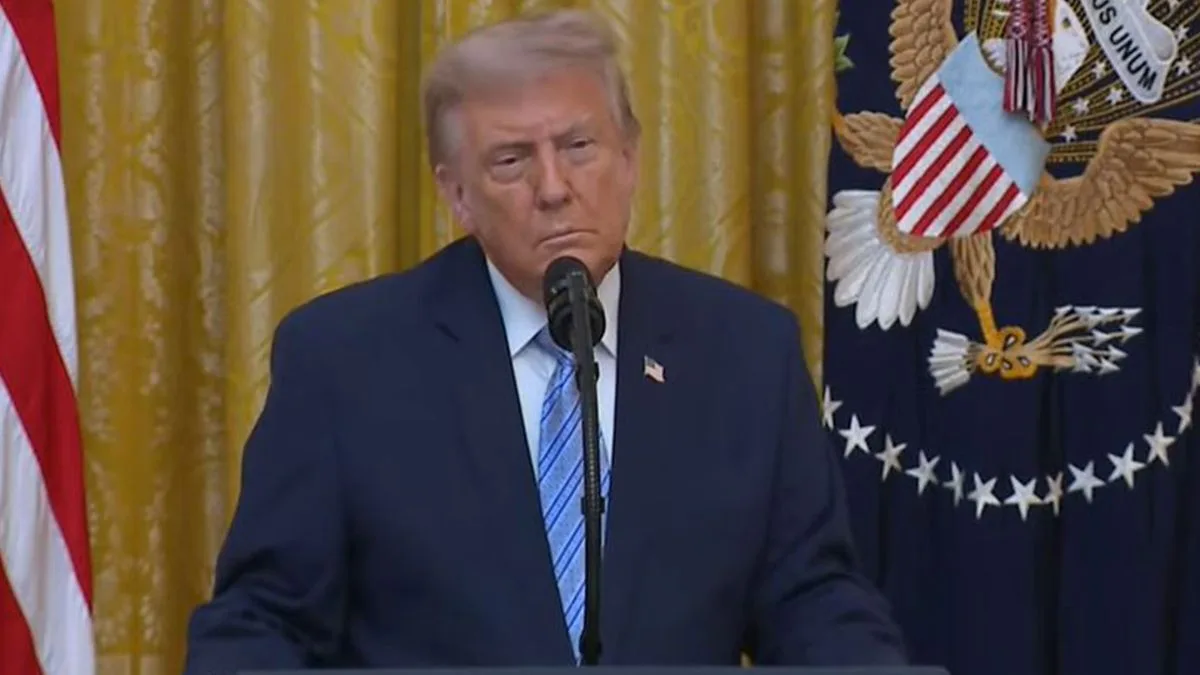
When both adversaries believe their strategy worked, the probability of future crises rises sharply. The deeper transformation, however, lies beyond the battlefield. Operation Sindoor exposed how unstable the geopolitical environment around South Asia has become. India had spent two decades building a strategic partnership with the United States on the assumption that Washington broadly shared its concerns about Pakistan-sponsored militancy. Yet American attempts to publicly mediate, coupled with fluctuating trade tensions, introduced visible uncertainty into that equation.
As a result, India has quietly accelerated a broader diversification strategy ~ strengthening ties with Europe, maintaining its Russian connection despite Western pressure, and cautiously stabilising relations with China. Delhi’s foreign policy is becoming less alliance-driven and more transactional. Pakistan, meanwhile, regained diplomatic relevance by positioning itself as a useful intermediary during wider West Asian tensions. But this revival may prove fragile because it depends heavily on shifting global crises and unpredictable personalities in Washington.
The military lessons are equally significant. Operation Sindoor demonstrated that future India-Pakistan conflicts will be fought through drones, precision weapons, electronic systems, and stand-off strikes rather than large territorial offensives. The conflict resembled a high-technology signalling contest more than a traditional war. Yet technological sophistication does not reduce danger.
In fact, it may increase the temptation for calibrated retaliation under the assumption that escalation can always be controlled. History suggests otherwise. Today, the Line of Control is quieter than it was during the conflict, but the political environment is far more combustible. Diplomatic channels remain weak, mutual suspicion is deeper, and public opinion on both sides has hardened. South Asia is no longer moving toward peace. It is adapting itself to recurring confrontation.
Advertisement