The fate of Keralam’s 140-member Assembly is set to be decided today as counting of votes got underway across the state, marking the culmination of a fiercely contested election that could redefine its political trajectory. With the ruling Left Democratic Front (LDF) seeking an unprecedented third consecutive term and the Congress-led United Democratic Front (UDF) pushing for a comeback, the day promises a decisive verdict in one of India’s most closely watched electoral battles.
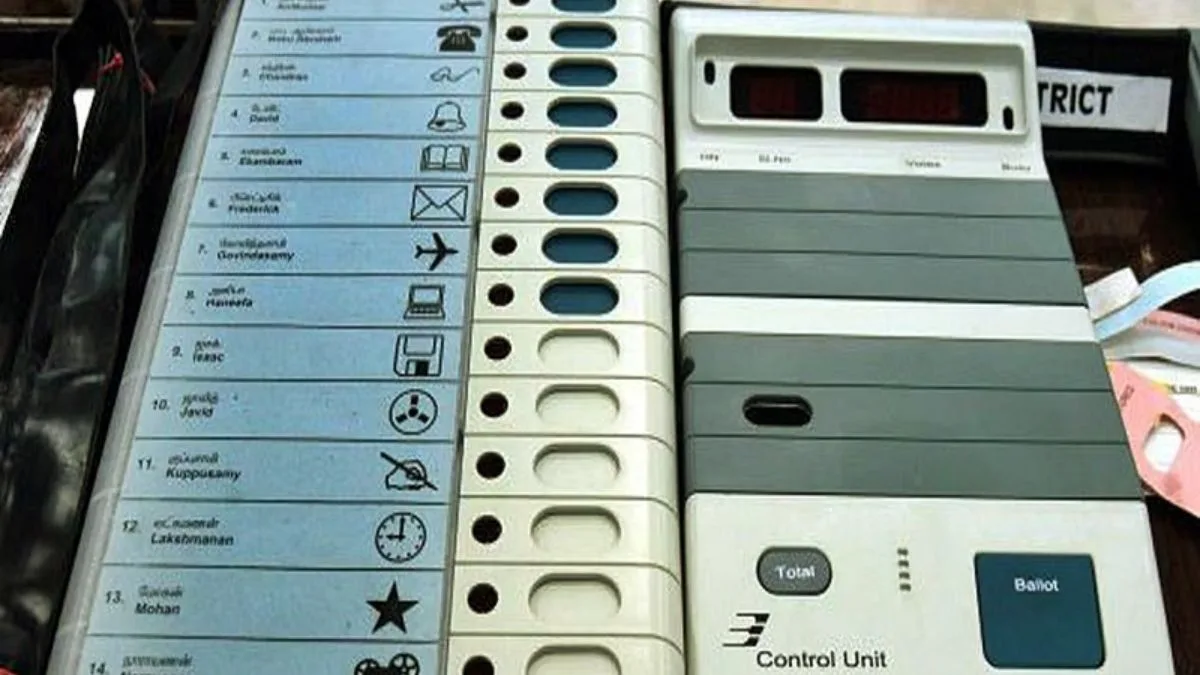
Counting began with postal ballots at 8:00 am, followed by Electronic Voting Machine (EVM) votes from 8:30 am, with round-wise trends to be updated in real time on the ECINET platform and the Election Commission’s official portal. Final results are expected by the end of the day as multiple counting rounds progress across constituencies.
Advertisement
The April 9 single-phase polling for all 140 seats recorded a voter turnout of 78.27 per cent, reflecting strong public participation. Early counting trends will factor in thousands of postal ballots, particularly from districts such as Thiruvananthapuram, where constituencies like Attingal, Varkala, and Neyyattinkara reported significant postal voting figures, indicating robust early engagement.
As counting advances, the contest remains finely poised. The LDF, led by Chief Minister Pinarayi Vijayan, is attempting to break Keralam’s long-standing pattern of alternating governments every five years. The UDF, on the other hand, is banking on anti-incumbency sentiment, especially among younger voters and households dealing with rising costs, to reclaim power. The BJP-led NDA, though not traditionally dominant in the state, is hoping to expand its footprint and influence the outcome in key seats.
The Assembly elections witnessed a notably high turnout, with participation estimated close to 79 per cent. Women voters played a decisive role, outnumbering men with a turnout of over 80 per cent, underlining the depth of political engagement in the state. This surge in participation is expected to have a significant bearing on the final outcome.
Keralam’s verdict is being closely tracked not just for the winner it produces, but for the larger political message it sends. The state is effectively testing whether welfare-driven governance can override economic concerns or whether voter sentiment will swing in favour of change. With nearly 25 crore voters across states like Tamil Nadu, Keralam, West Bengal, and Assam participating in simultaneous electoral exercises, the Keralam result forms a crucial piece of a larger national political puzzle.