Amid rising tensions over the proposed mandatory use of Marathi for auto-rickshaw and taxi drivers across Maharashtra, Transport Minister Pratap Sarnaik has clarified the government’s position, signalling a more balanced and phased approach to implementation.
The clarification follows the earlier announcement that Marathi would be made compulsory from May 1, which had triggered strong reactions from driver unions.
In protest, several unions had issued a strike notice for May 4, raising concerns over potential disruption to public transport services in the state.
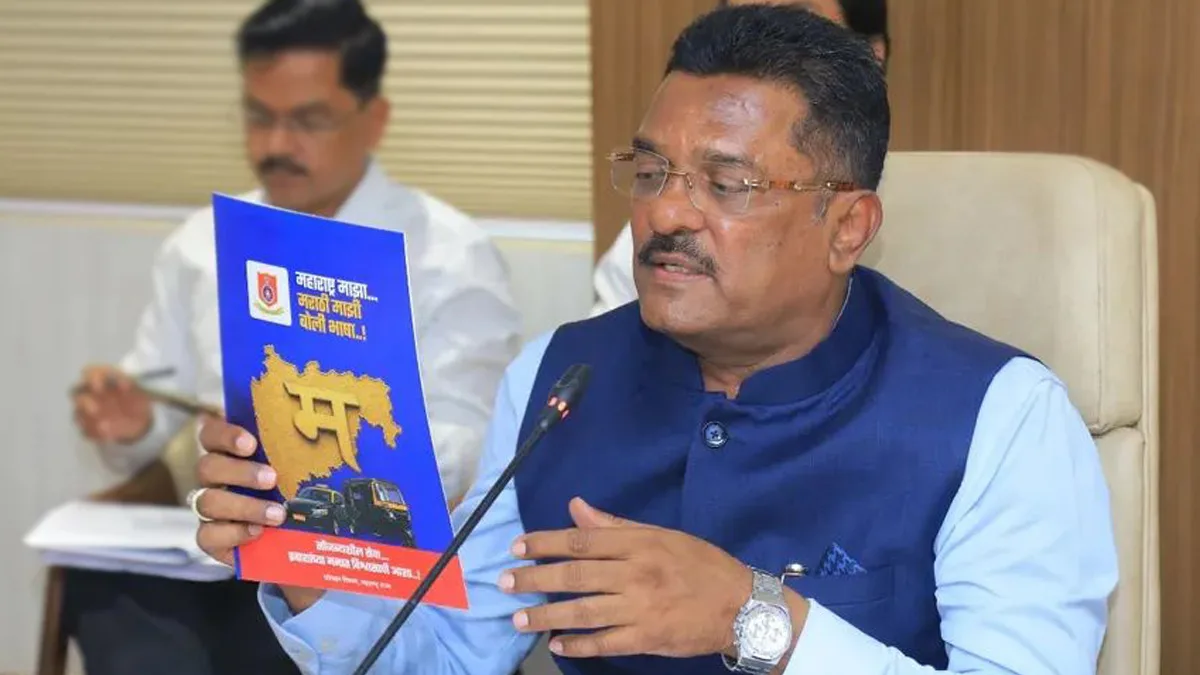
In response, the minister convened a high-level meeting with officials of the Regional Transport Office (RTO), where key decisions were taken to ease tensions while maintaining the policy’s intent.
Sarnaik stated that although respect for Marathi remains important, licences will not be cancelled immediately for drivers who are not proficient in the language. This assurance is expected to provide considerable relief to thousands of drivers who feared losing their livelihood.
At the same time, the Transport Department has made it clear that it will adopt a strict stance against violations unrelated to language.
Advertisement
Cases involving reckless driving, traffic offences, or harassment of passengers will invite stringent action, including suspension or cancellation of licences.
To facilitate compliance, the government will prioritise learning over enforcement.
Marathi language training facilities will be made available at RTO offices, and a dedicated guidebook titled “Marathi for Auto-Rickshaw Drivers” will be distributed among drivers.
The guidebook, conceptualised in 2019 and prepared in 2020, is now set to be implemented as part of the initiative.
Reiterating the state’s position, Sarnaik said Maharashtra remains a hub of employment opportunities but emphasised that the use of Marathi holds equal importance. He added that the government expects drivers to gradually adopt the language, while ensuring they are given adequate time and resources to do so.
The development comes as the state government attempts to strike a balance between promoting regional language use and safeguarding the livelihoods of transport workers, even as it seeks to avert the proposed strike.
(With input from UNI)