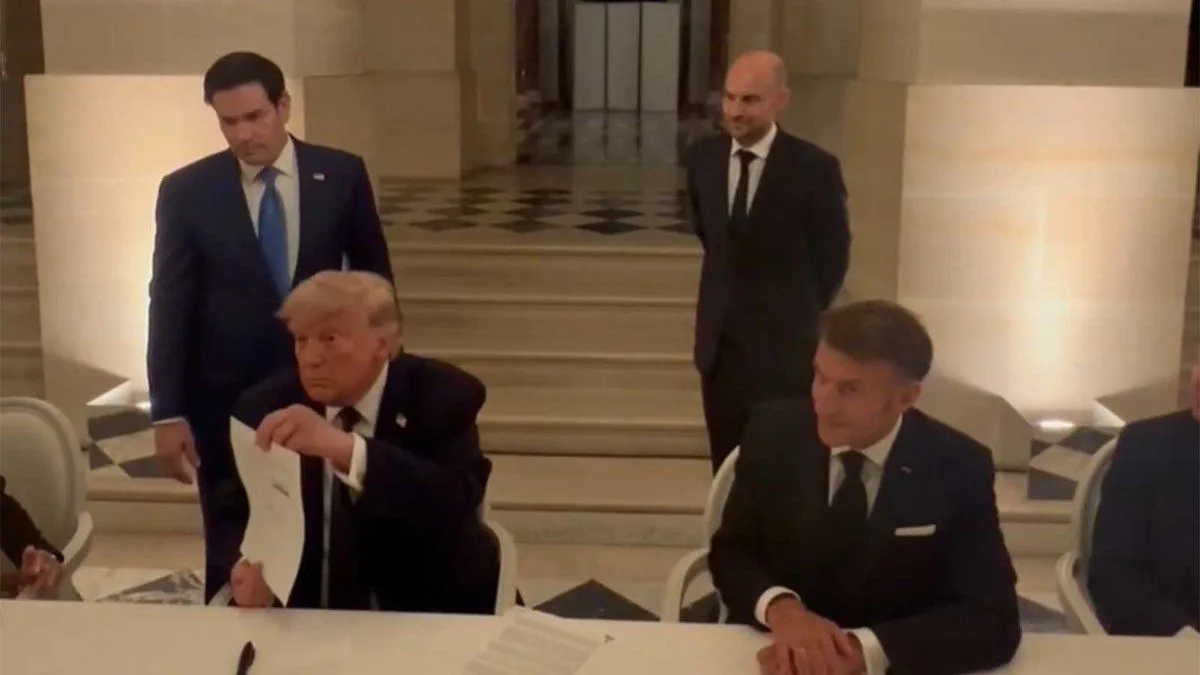
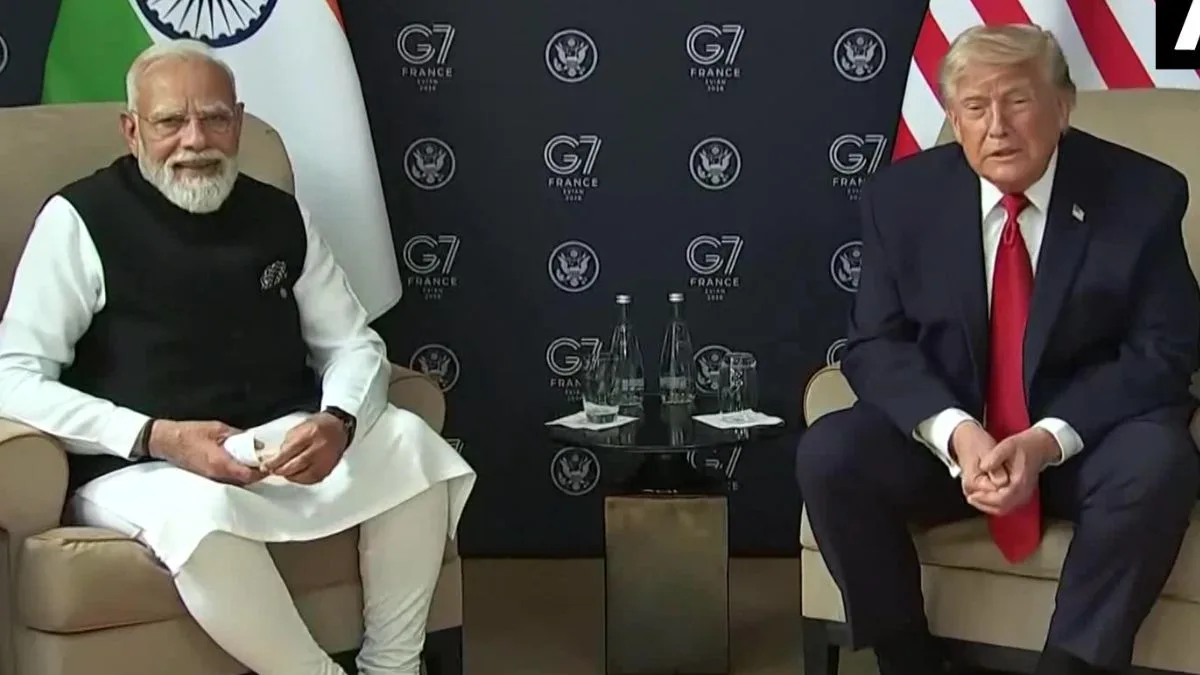
US President Donald Trump on Monday (local time) indicated he may reject Iran’s latest proposal to ease tensions, with concerns over Tehran’s nuclear programme continuing to weigh heavily on Washington’s calculations, according to a CNN report.
The offer from Tehran centres on reopening maritime traffic through the Strait of Hormuz, a key global energy route, while postponing contentious nuclear issues for future negotiations. The proposal has landed at a time when back-channel talks continue, but without any clear breakthrough in sight.
Advertisement
Sources familiar with the matter told CNN that Trump expressed reservations during a meeting with national security aides at the White House. One official said the President is “not likely to accept the plan,” citing concerns that easing pressure without addressing uranium enrichment would weaken US leverage.
Officials are particularly wary that restoring shipping in the strait without tackling Iran’s stockpile of near-bomb-grade uranium could dilute a critical pressure point in ongoing diplomacy. At the same time, the prolonged closure of the waterway has contributed to rising global energy prices, pushing up fuel costs in the United States.
Also Read: Back in Pakistan again: Iran FM’s third visit in 48 hours as US weighs Hormuz proposal
Why the Strait of Hormuz proposal has divided US officials
The proposed framework has drawn mixed reactions within the administration. While some see merit in easing tensions in a volatile region, others believe the nuclear issue cannot be deferred.
US Secretary of State Marco Rubio described the proposal as “better than what we thought they were going to submit,” but underscored that any deal must ensure Iran never acquires a nuclear weapon.
“The nuclear question is the reason why we’re in this in the first place,” Rubio said in remarks cited by the State Department. He added that the Iranian programme “remains the core issue” driving the conflict.
Rubio also cautioned that Tehran’s negotiators are “very experienced” and suggested the proposal could be an attempt to buy time. He stressed that any agreement must “definitively prevent them from sprinting towards a nuclear weapon at any point.”
Questions over Iran’s leadership complicate talks
Uncertainty within Iran’s leadership structure has added another layer of complexity to negotiations. US officials are unsure who holds final authority over any deal, raising concerns about the credibility of commitments.
Rubio questioned the role of Iran’s Supreme Leader, Mojtaba Khamenei, asking whether he has the clerical standing and decision-making power required for such negotiations.
“There are still questions about whether the person submitting it had the authority,” Rubio said, pointing to internal dynamics that could affect the outcome of talks.
Diplomacy continues, but no clear breakthrough yet
Despite ongoing discussions, including high-level engagements earlier this week, a definitive agreement remains elusive. Trump has also shown reluctance to resume the suspended US bombing campaign, even as tensions persist.
The White House has declined to provide detailed updates on negotiations. Assistant press secretary Olivia Wales said the administration would not conduct diplomacy in public, adding that the US would only pursue a deal that prevents Iran from developing a nuclear weapon.
On the diplomatic front, Iran has sought support from allies. Foreign Minister Abbas Araghchi travelled to Moscow for talks with Russian President Vladimir Putin, blaming Washington’s “excessive demands” for the failure of previous negotiations.
As both sides weigh their next moves, the path forward remains uncertain, with the nuclear question continuing to overshadow any immediate resolution.