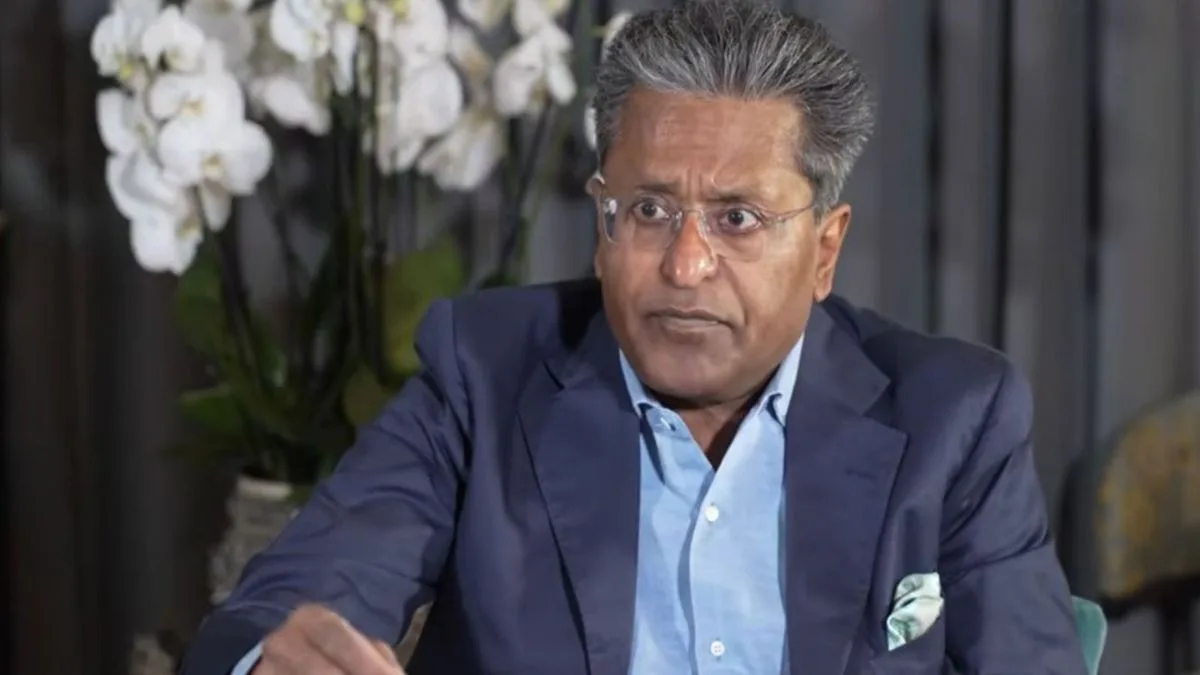
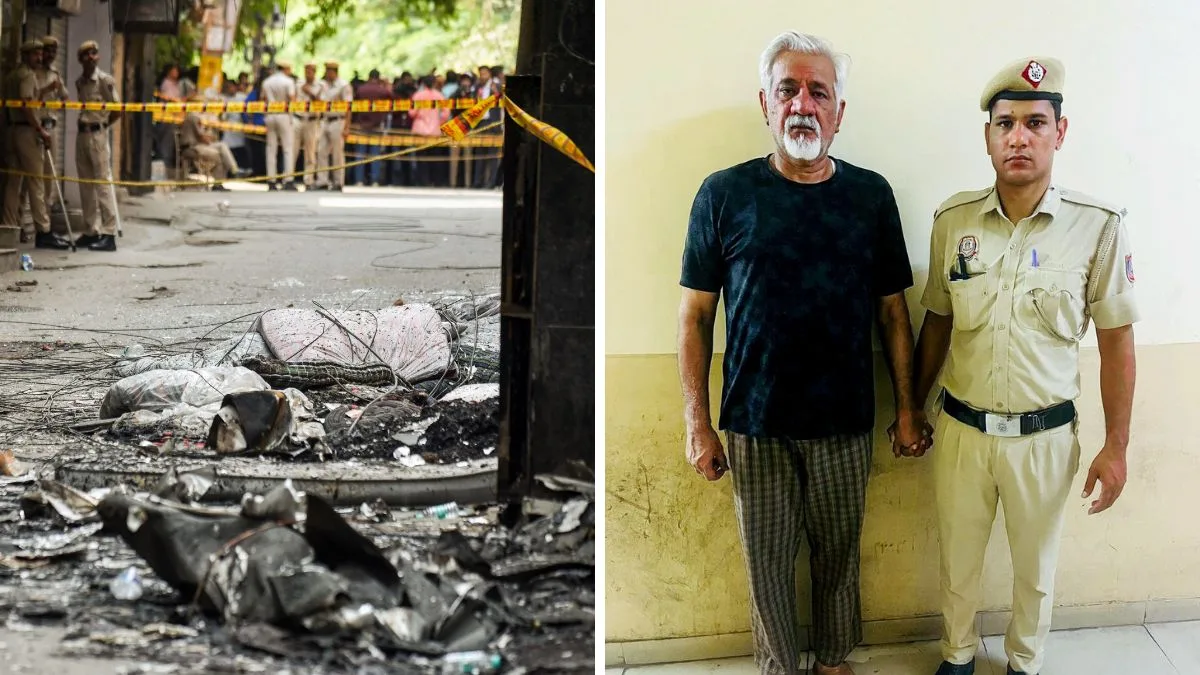
“I did not know the wording,” Sanjay Dutt told the National Commission for Women on Monday, before adding an apology and a pledge to sponsor education for 50 tribal children. That one line, spoken inside the NCW office on April 27, became the latest twist in a controversy that has been simmering since March, when a film song meant for promotion turned into a legal and moral headache for everyone involved.
The song “Sarke Chunar Teri Sarke”, featuring Nora Fatehi and Sanjay Dutt, has been under fire for weeks over its suggestive lyrics and provocative choreography, and now parts of it have already been pulled off the internet.
Advertisement
From film promotion to public outrage
The song belongs to the Kannada pan-India film ‘KD: The Devil’, directed by Prems, and was released in March as part of the film’s promotional rollout. It features Nora Fatehi as the central performer, with Sanjay Dutt also appearing in the visuals.
Almost immediately after release, the reaction turned sharp. The lyrics and dance moves were widely criticised for being too suggestive and sexually loaded in tone, especially in the opening verse.
What made matters worse was the structure of the writing itself. The first lines appeared to describe sexual activity in a very direct and graphic way.
But as song continues, it shifts context and reveals that the imagery was actually referring to drink and bottle, likely alcohol, not what many viewers initially assumed.
That late clarification in lyrics did little to calm criticism. Instead it triggered more backlash. Many argued that song deliberately misled viewers and used shock value as a tool.
The choreography also faced heat, with complaints that it was overly provocative and framed in a way that objectified the performer.
The track was released in multiple languages (Hindi, Malayalam, Tamil, Telugu, and Kannada) through Anand Audio, the film’s official music partner, which helped it spread widely across regions almost instantly.
NCW intervention escalates the matter
The issue reached National Commission for Women (NCW). The commission did not wait for formal complaint. It took suo motu cognizance acting on its own after reviewing media reports and public concern.
In its statement, the NCW said the song appeared prima facie sexually suggestive and objectionable. They added it could potentially violate provisions under the Bharatiya Nyaya Sanhita, IT Act, and POCSO Act. It also noted that it was acting under its powers as per the NCW Act, 1990.
Summons were then issued to Sanjay Dutt, Nora Fatehi, and others linked to the song’s production and presentation. The move shifted the issue from social media outrage to an official inquiry.
Sanjay Dutt’s appearance and apology at NCW
On Monday, April 27, Sanjay Dutt arrived at the NCW office in the afternoon with his lawyer after being summoned. He directly addressed the panel over his involvement in the song.
According to his advocate, Sanjay Dutt told the commission that he had respect for women and the institution. But they claimed he was not fully aware of the wording used in the song at the time of recording. Despite that explanation, he issued an unconditional apology before the commission.
The lawyer further stated that Sanjay Dutt also offered a voluntary gesture. He proposed to sponsor the education of 50 children from tribal communities. This was presented as a personal initiative linked to the controversy, rather than a formal requirement from the NCW.
The statement also mentioned that the song had originally been recorded in another language and the actor was not fully aware of how the final version’s lyrics would be interpreted.