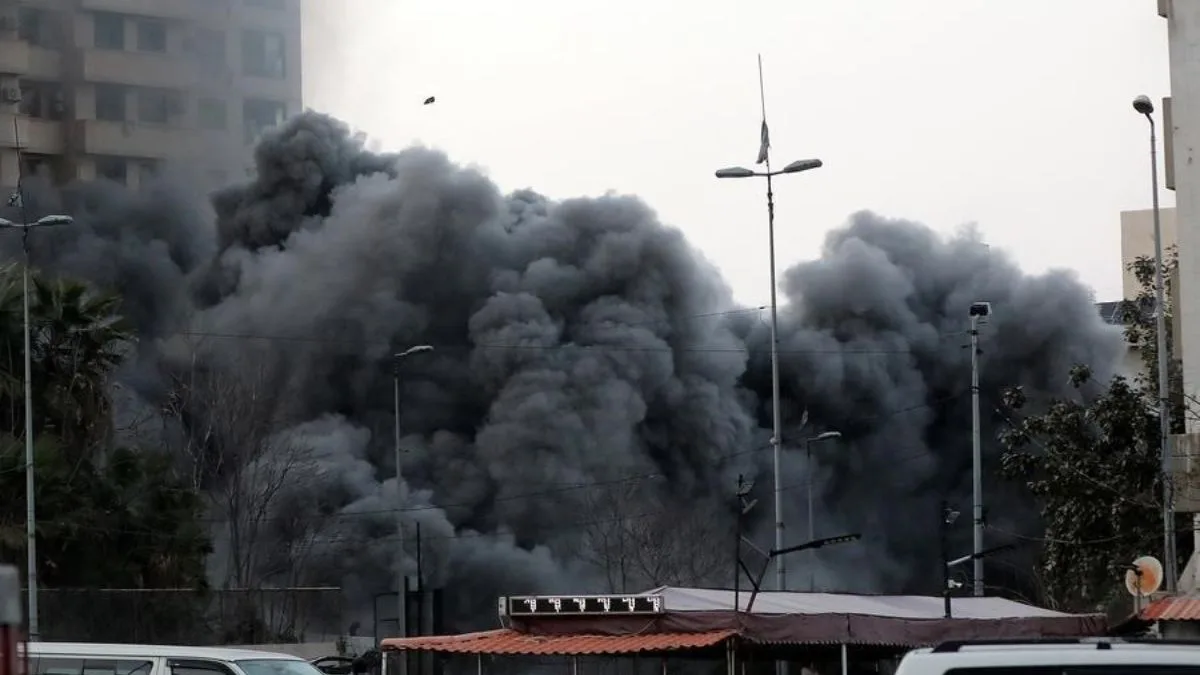
The ongoing Iran war could threaten to push 2.5 million people in India into poverty, according to estimates and projections by the United Nations.
India is projected to experience some loss in its human development progress, the report said.
Advertisement
In a report titled ‘Military Escalation In The Middle East: Human Development Impacts Across Asia And The Pacific’, the United Nations Development Programme (UNDP) noted that the conflict is “widening human development pressures across Asia and the Pacific through higher fuel, freight, and input costs. The shock is diminishing household purchasing power, raising food insecurity, straining public budgets, and weakening livelihoods.”
UNDP estimates that globally, 8.8 million people are at risk of falling into poverty, while the West Asia military escalation could cost the Asia-Pacific up to $299 billion.
In India, poverty is expected to rise from around 400,000 to 2.5 million, the report said.
India’s poverty rate is estimated to rise to 24.2 per cent post-crisis from 23.9 per cent, pushing 2,464,698 people into poverty. An estimated 354,033,698 people are projected to live in poverty in the country post-crisis, as compared to 351,569,000 pre-crisis.
Globally, the number of people pushed into poverty in the world as a result of the conflict rises from approximately 1.9 million to nearly 8.8 million.
South Asia accounted for the largest share, ranging from about 1.7 million to over 8 million, reflecting both the subregion’s population size and its higher exposure to income and price shocks, the UNDP report highlighted.
The report said China is estimated to experience a more moderate increase in the number of people at risk of falling into poverty, from around 115,000 to over 620,000, reflecting small proportional changes applied to a very large population base.