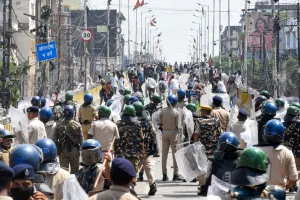
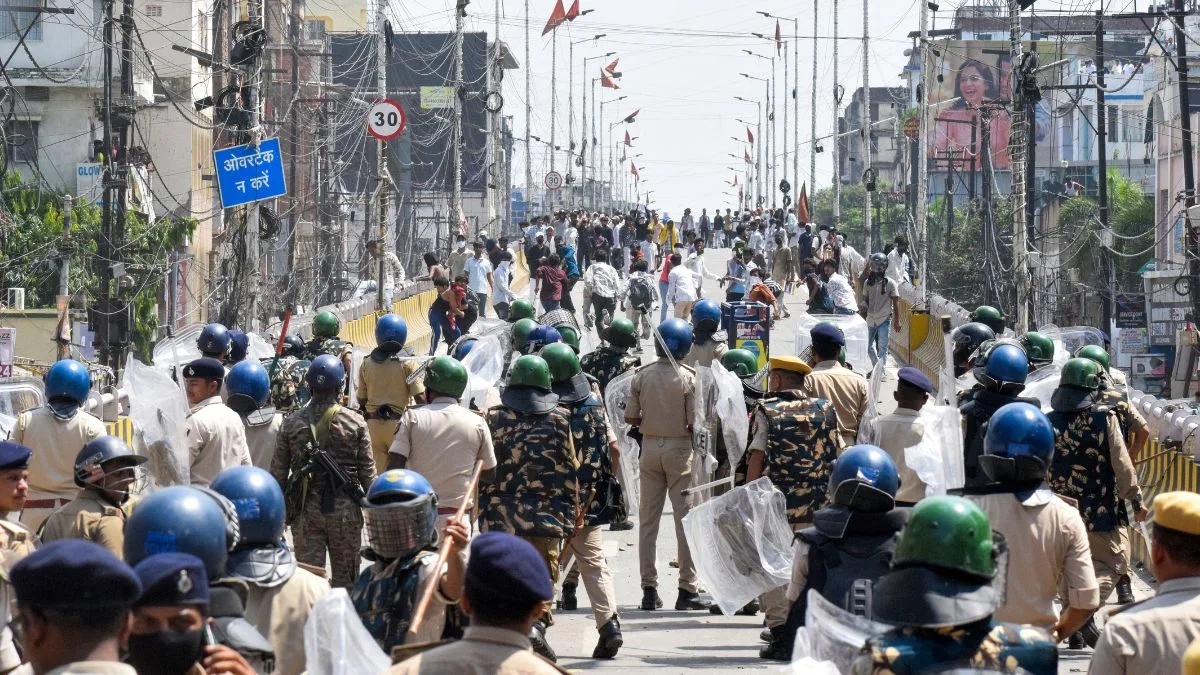
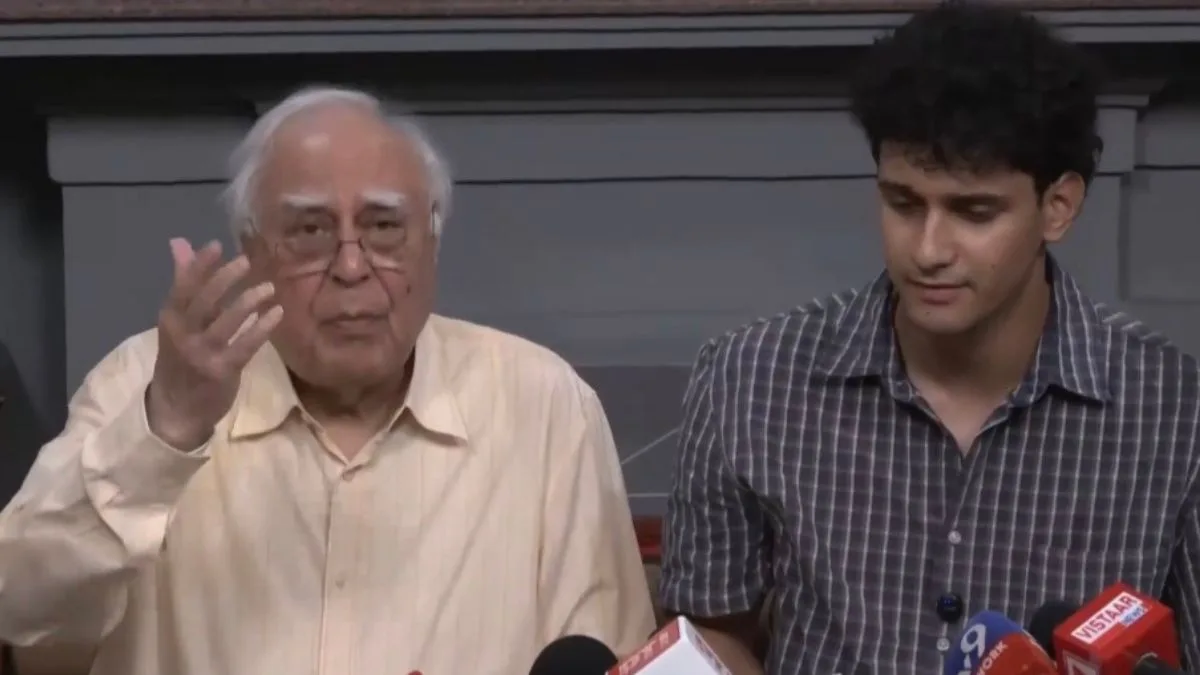
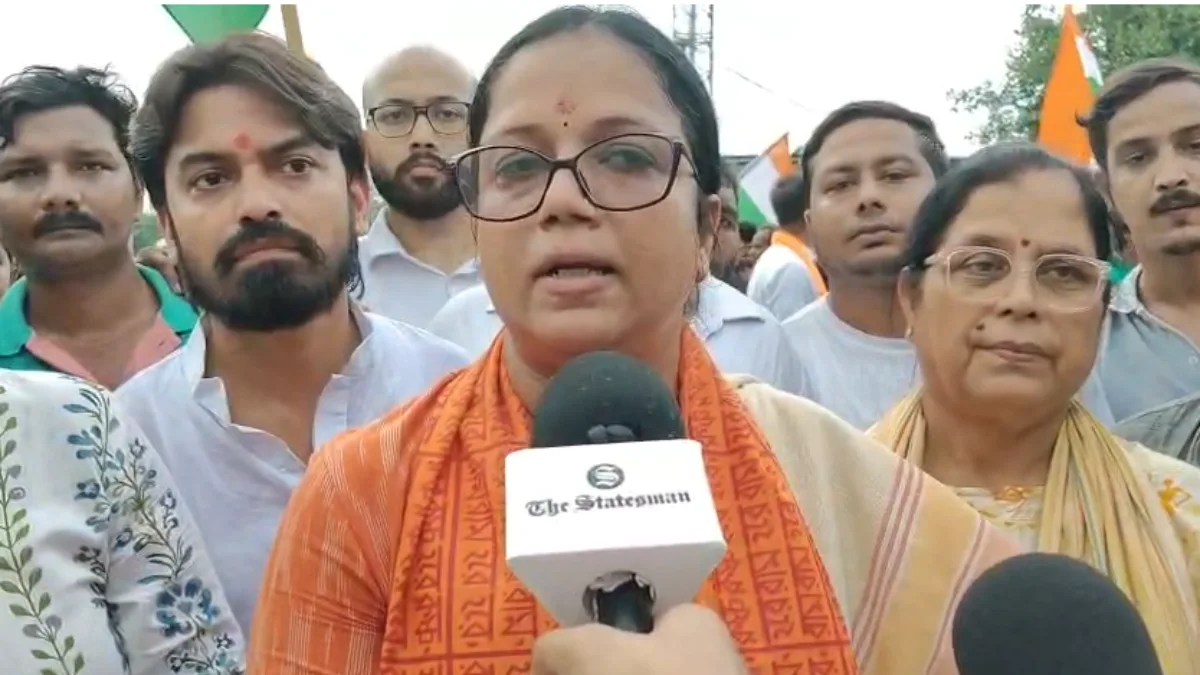
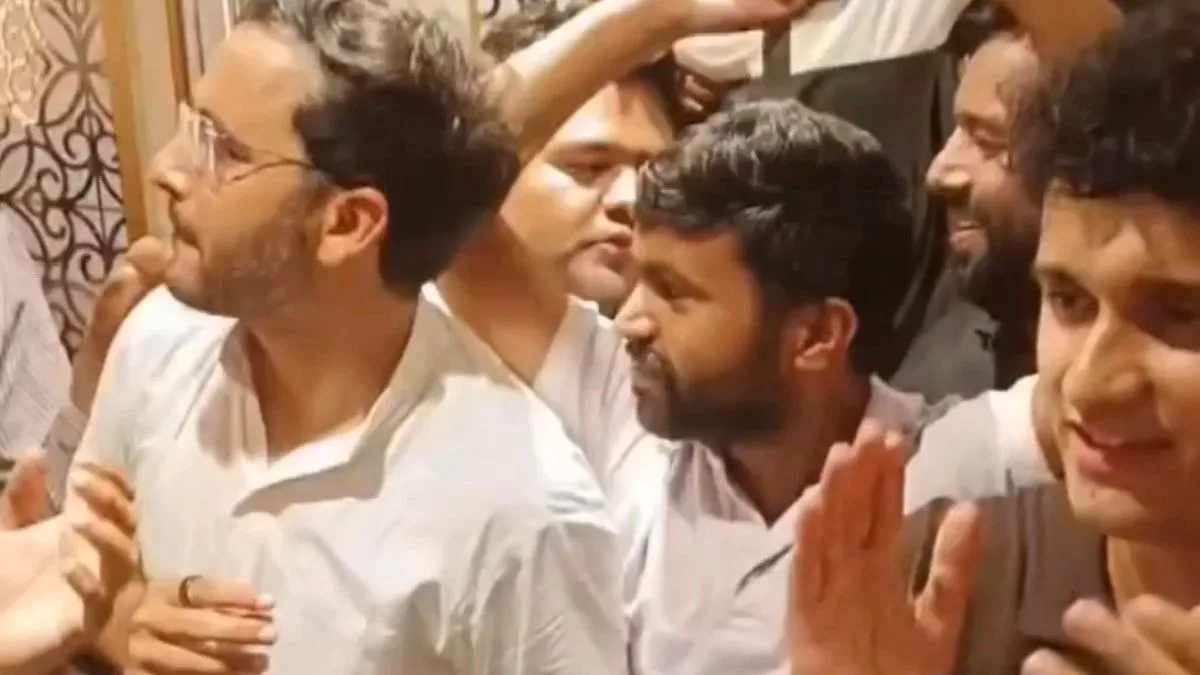
Bihar govt withdraws paper leak protest cases, orders release of arrested protesters after CJP warning
Bihar government announced the withdrawal of FIRs against any individual who participated in protests before 6 pm on July 26.
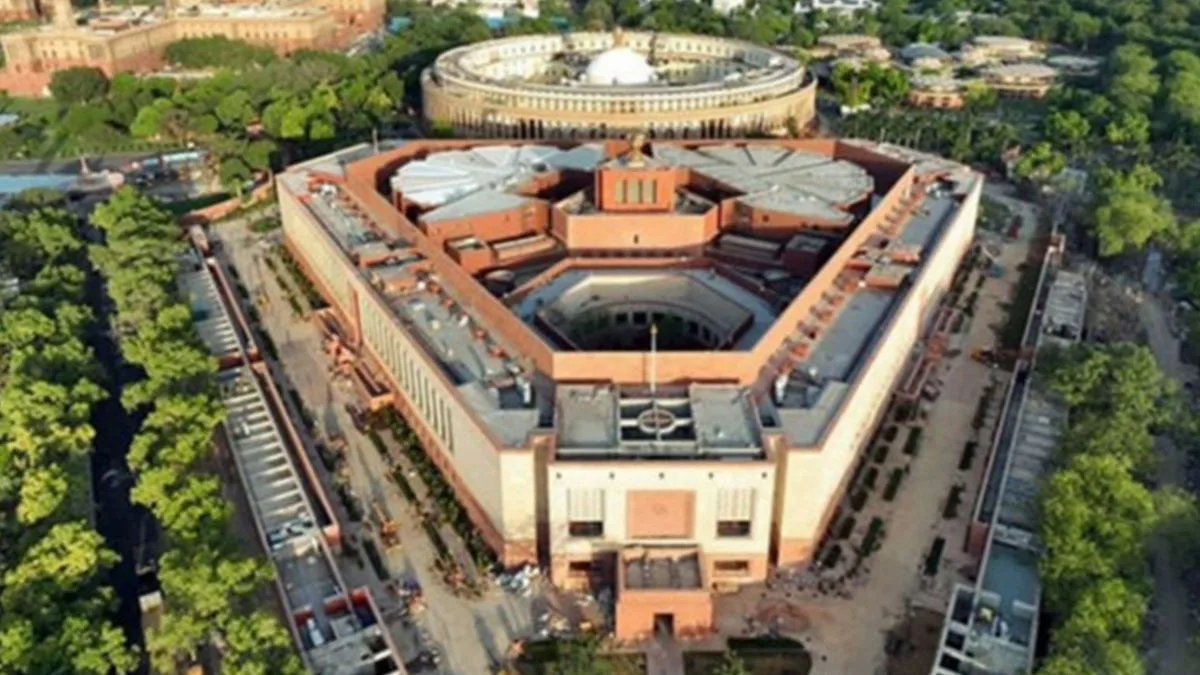
The Narendra Modi government’s plan to fast-track the implementation of the Women’s Reservation Bill—Nari Shakti Vandan Adhiniyam — also addresses concerns of southern states over a potential rise in parliamentary seats for northern states if delimitation was based on the next Census.




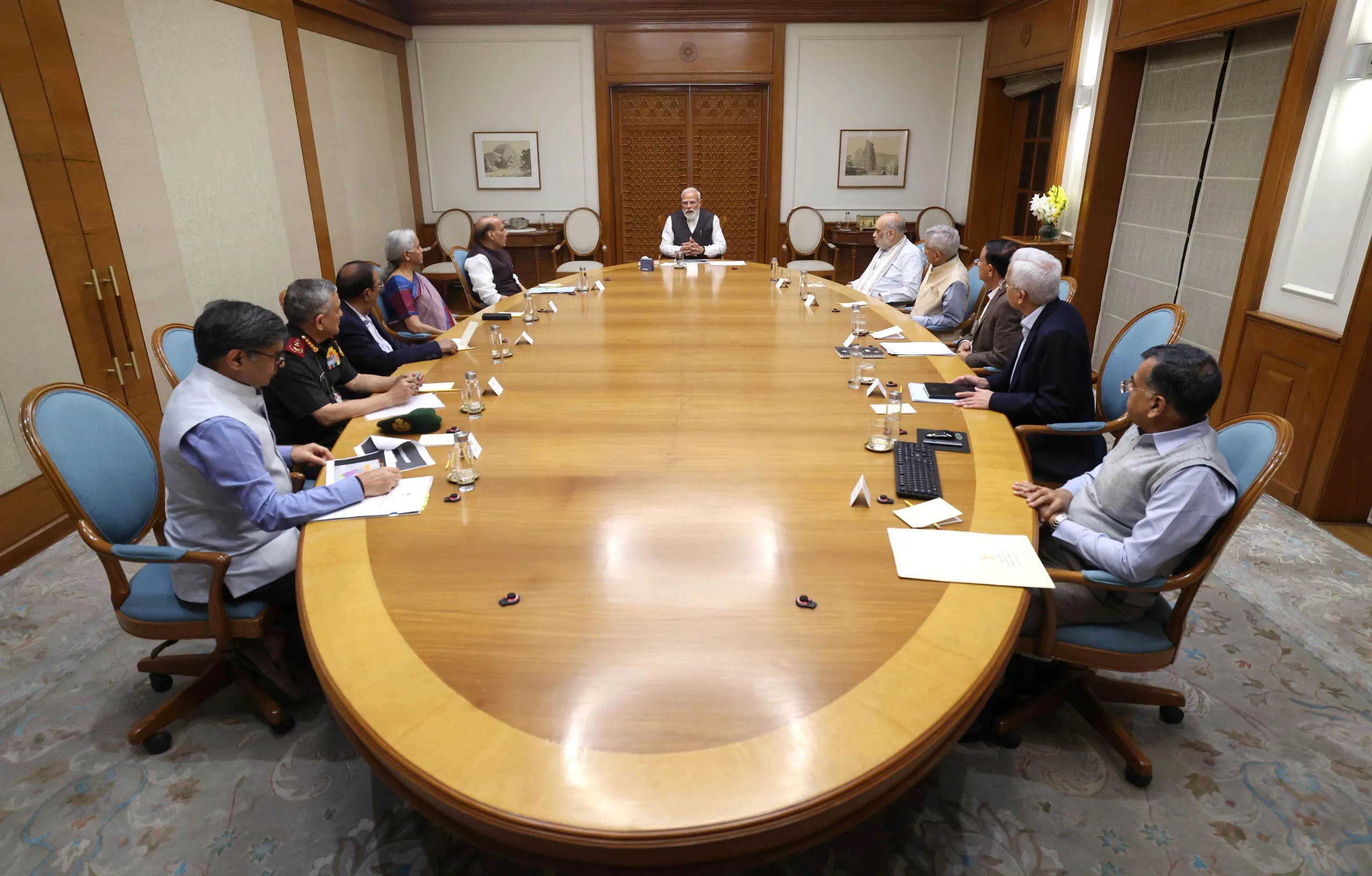
New Delhi: Prime Minister Narendra Modi (IANS/PMO)
The Narendra Modi government’s plan to fast-track the implementation of the Women’s Reservation Bill—Nari Shakti Vandan Adhiniyam — also addresses concerns of southern states over a potential rise in parliamentary seats for northern states if delimitation was based on the next Census.
Sources say the government is in talks with Opposition parties to enable 33% reservation for women in the Lok Sabha by the 2029 general elections. The proposal aims to transform women’s political representation into an immediate reality, however, this would also require delinking the delimitation exercise from the next Census scheduled in 2027
Advertisement
The government is expected to move the amendments around next month.
Advertisement
Opposition parties are understood to have asked the Narendra Modi government to formally share the proposal.
Under the new model, the total strength of the Lok Sabha would increase by 50%, from 543 to 816 seats. The additional 273 seats would all be reserved for women, ensuring the one-third quota is implemented without affecting male MPs. To achieve this, the government wants to use 2011 Census data—rather than waiting for fresh population figures.
The original 2023 law ties the implementation of women’s reservation to both a new Census and a subsequent delimitation exercise, thus raising concerns that the quota may not be operational before the 2029 elections. Therefore one way is to make amendments and ensure earlier rollout by removing the Census-linked condition and initiating delimitation based on existing data.
The proposal also seeks to maintain the current proportional distribution of seats among states, addressing southern states’ concerns about losing representation due to population-based reallocation. For instance, if Uttar Pradesh’s seats increase from 80 to around 120, Tamil Nadu’s tally could rise proportionally from 39 to about 60, preserving the balance.
Advertisement