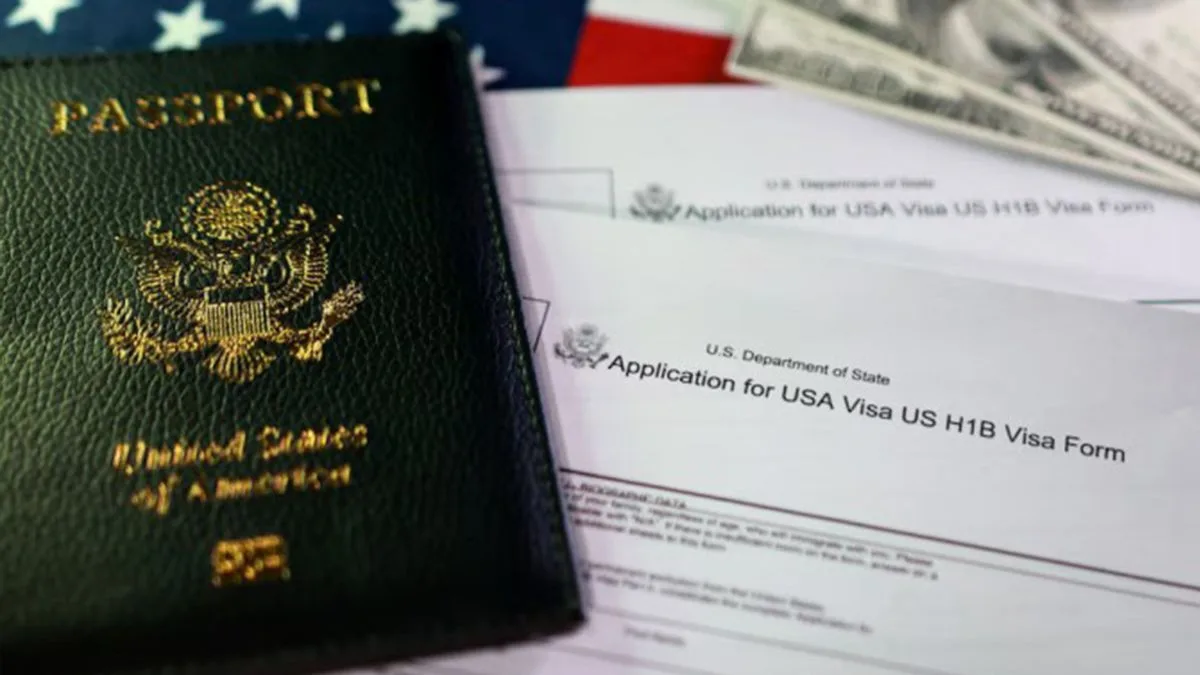
Fewer people got US visas in 2025, and Indians were among those hit the hardest. A Washington Post report says the drop was sharp during the first eight months of last year, with China also seeing a significant impact.
This comes at a time when the Trump administration has tightened immigration rules, even as processing in many categories has slowed down.
Advertisement
Between January and August, around 2.5 lakh fewer visas were issued compared to the same stretch in 2024. Overall approvals, including both temporary visas and green cards, were down by around 11 per cent.
Advertisement
The fall is visible across categories. Student visas took a big hit, dropping by over 30 per cent. Exchange visitor visas were down too. Work and family-linked visas had also slowed.
India and China saw some of the sharpest declines, with around 84,000 fewer visas issued to their nationals during this period.
Officials and analysts say there isn’t just one reason behind this. A mix of stricter rules and administrative issues appears to be at play.
There have been new vetting requirements, including checks of social media accounts. Student visa interviews were paused for a period. There is also a travel ban covering 19 countries.
At the same time, staffing cuts at the State Department have meant fewer appointments and longer wait times in many places.
The US government has defended the move.
“A visa is a privilege, not a right,” State Department spokesperson Tommy Pigott said, adding that security concerns remain a priority.
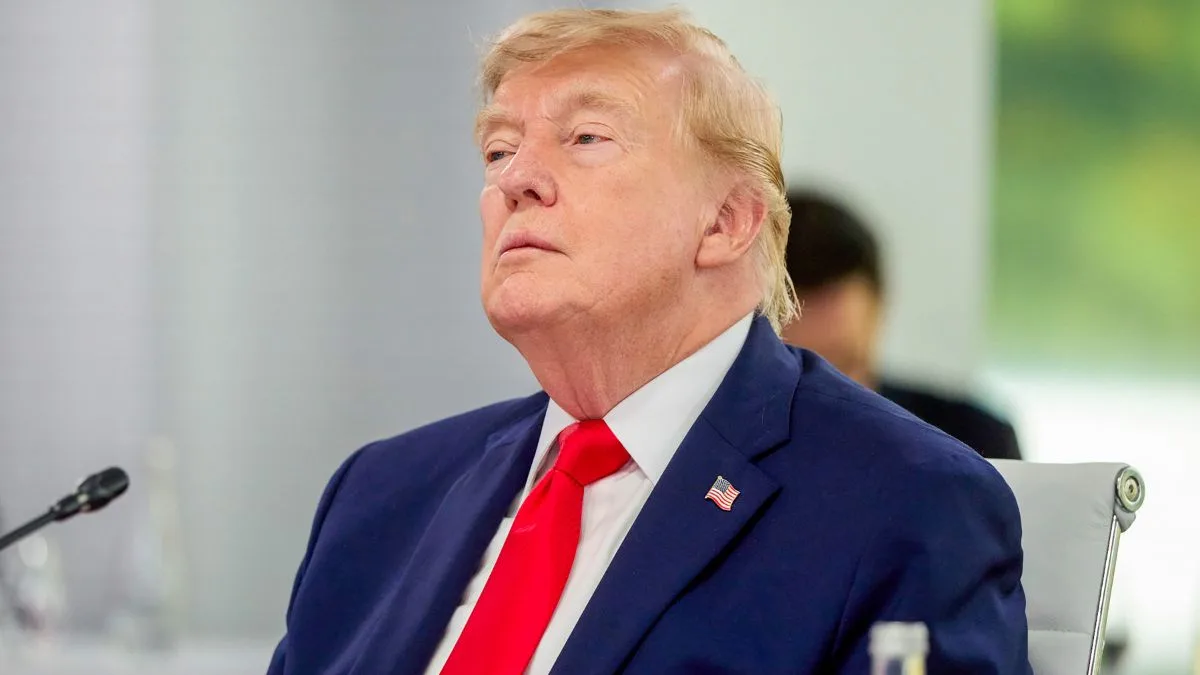
The White House has also said the policy reflects President Donald Trump’s focus on putting American citizens first.
But critics warn that the impact could go beyond immigration numbers.
Economist Jason Furman said restricting immigration could hurt long-term growth, affecting both the labour market and innovation.
Others point out that demand may also be playing a role, though it is difficult to separate that from policy effects.
Advertisement