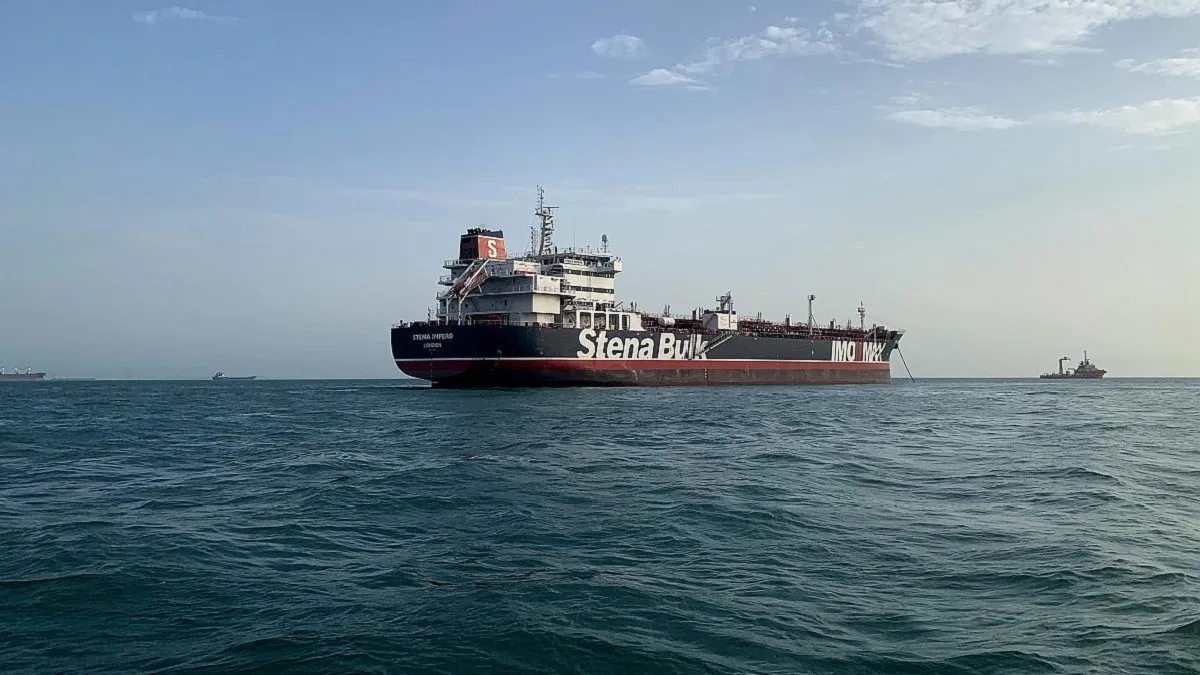
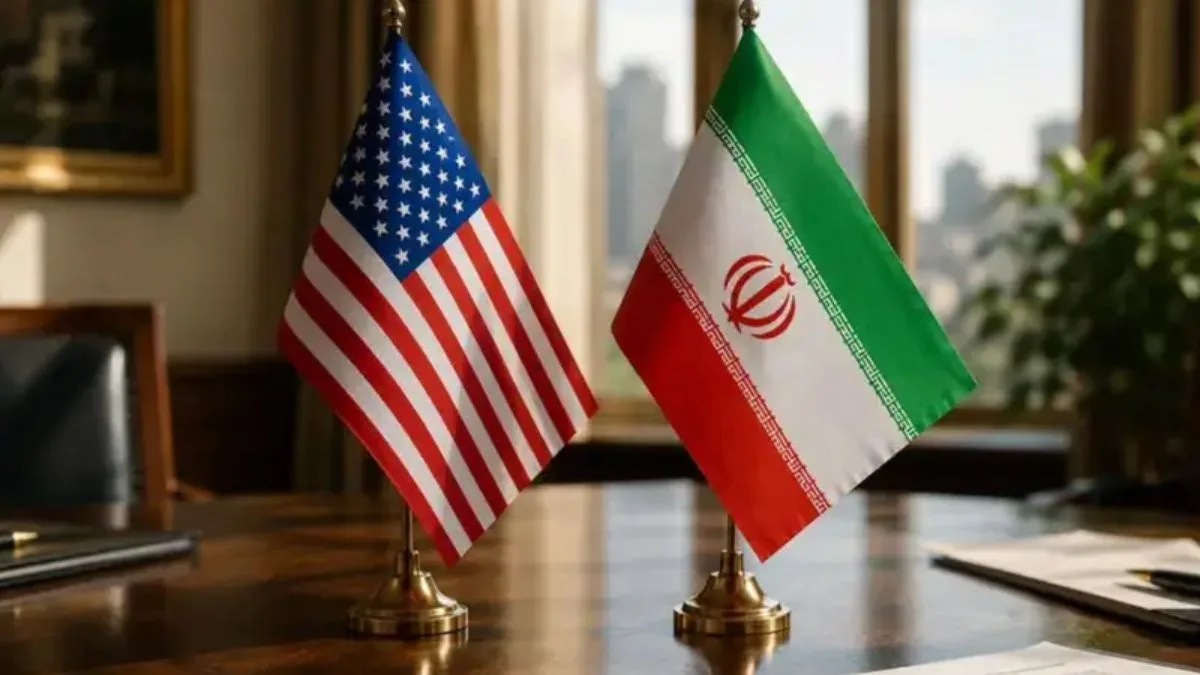
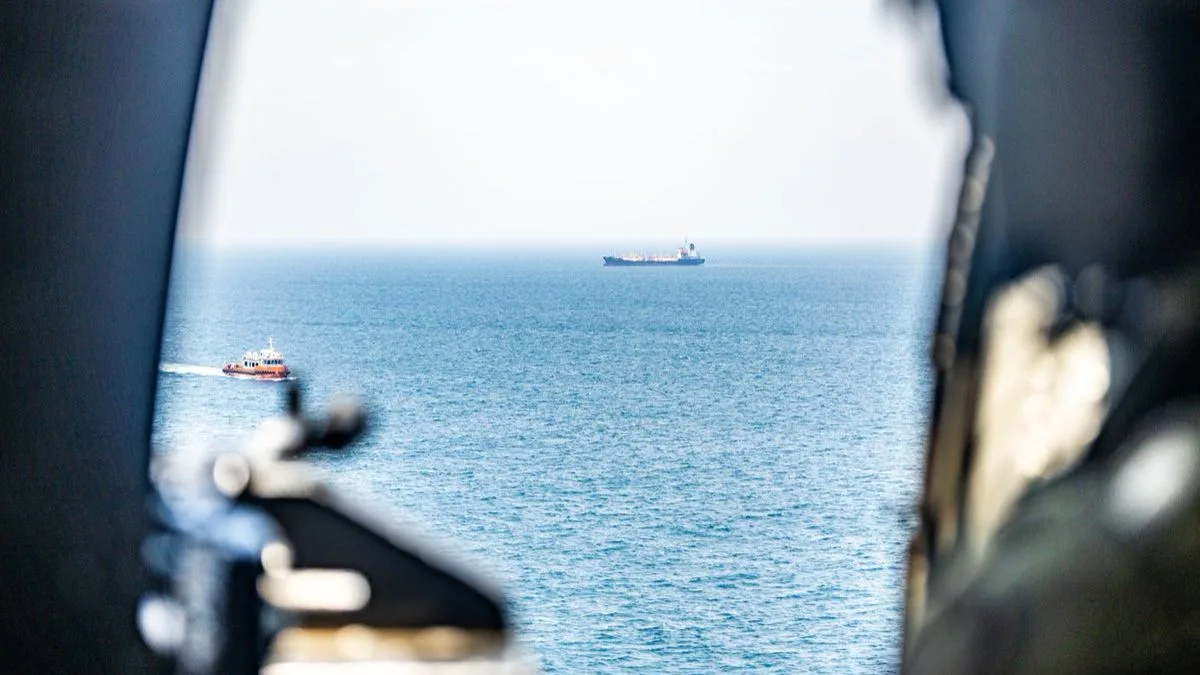
For the first time since the war with the US and Israel started, Iran has acknowledged its plans on the Strait of Hormuz: to blockade the passage for world’s one-fifth oil supply and escalate the cost of war for everyone to the extent that global pressure comes to bear upon Tehran’s adversaries to ease or end the war.
Dr Abdul Majid Hakeem Ilahi, representative of Iran’s Supreme Leader in India, Friday, said, “…Iran has not closed the Strait (of Hormuz). It remains open; however, due to current conditions and circumstances, ships are unable to pass through the Hormuz. Otherwise, Iran never wanted the Strait to be closed or blocked. Some (ships) are still passing through.”
Advertisement
“Those who initiated this war are the very ones who must stop it… Many people across the world are suffering due to this war. World leaders must unite and exert pressure on the President of the United States, urging him to put an immediate stop to this unjust war…”
Iran could not have said it more clearly and audaciously—make the world suffer till it weighs on the US to back off.
In an extremely meticulously crafted strategy, Iran has created a regime or structure of permissions in the Strait of Hormuz. In the instances of China, Bangladesh and, now India, Tehran has told the world two things: it will respect those not against it and its friends, while it will make its enemies suffer; and, that even in war it remains a responsible nation that does not want global regions to collapse under the crude pressure of oil and LPG scarcity. Allowing vessels with Indian flags to pass through the Strait of Hormuz, effectively serves 40 percent needs of Indian neighbours in the region.
According to latest reports, Iran allowed a Turkish vessel to pass through after it got Tehran’s permission.