Bangladesh’s balancing act: Delhi or Beijing?
China is Bangladesh’s largest trading partner, and is also the largest source of development funds.
The country depends on imports for around 95% of its energy needs, making it highly exposed to fluctuations in international fuel prices and supply disruptions.





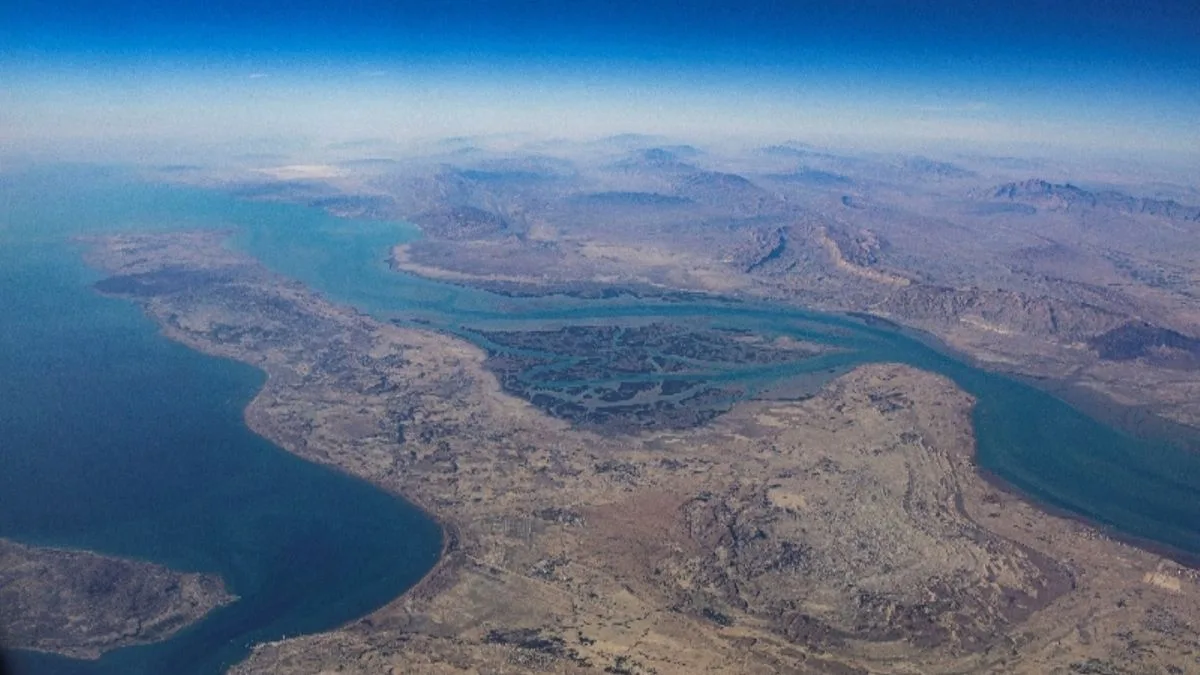
File photo for representational purposes.
As the conflict in West Asia continues to disrupt global energy supplies, Bangladesh has announced to close all universities across the country to conserve electricity and fuel.
The move reflects the growing ripple effects of the regional crisis on energy-import-dependent economies. Authorities say the shutdown is part of a broader emergency plan to manage rising fuel costs, power shortages and supply uncertainty linked to disruptions in the global energy market.
Advertisement
The country depends on imports for around 95% of its energy needs, making it highly exposed to fluctuations in international fuel prices and supply disruptions.
Advertisement
The current crisis, triggered by instability in West Asia, seems to have intensified pressure on Bangladesh’s power and gas systems.
With fuel imports becoming more expensive and supplies uncertain, the government has moved quickly to reduce electricity demand across sectors.
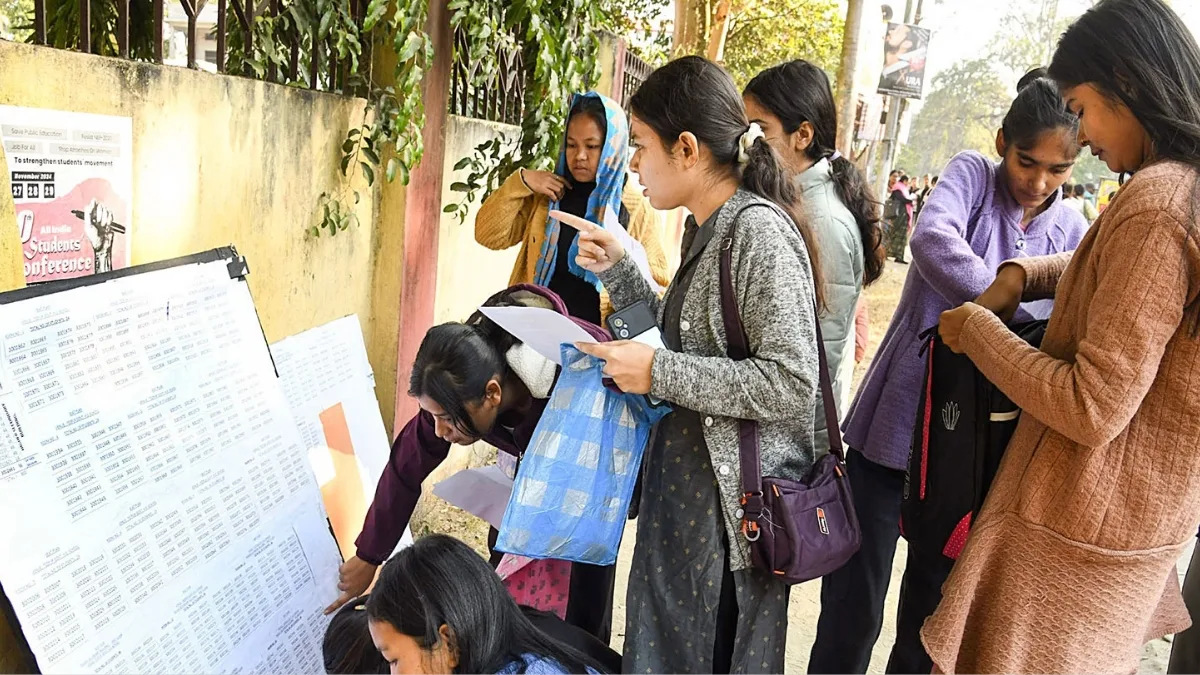
Authorities announced that all public and private universities in Bangladesh will remain closed starting today as part of the emergency power-saving measures.
According to officials, university campuses consume significant amounts of electricity due to residential halls and hostels, classrooms and lecture halls, research laboratories and air-conditioning systems.
Shutting down campuses is expected to substantially reduce electricity consumption, easing pressure on the national power grid.
Officials also pointed out reduced traffic congestion as another benefit, which in turn lowers fuel consumption.
The restrictions extend beyond universities. The government has instructed foreign-curriculum schools and private coaching centres to temporarily suspend operations to further limit electricity use during the crisis.
Notably, most government and private schools in Bangladesh were already closed for the holy month of Ramadan, meaning the new directive effectively shuts down the majority of educational institutions across the country for now.
The power crunch has already started affecting key industries.
Severe gas shortages have forced Bangladesh to suspend operations at four of its five state-run fertiliser plants. Authorities have redirected the limited available gas supply to power plants in an attempt to prevent widespread electricity outages.
This measure highlights how the government is prioritising electricity generation over industrial use during the crisis.
To bridge the widening supply gap, Bangladesh has been forced to purchase liquefied natural gas (LNG) from the international spot market, at sharply higher prices.
The government is also attempting to secure additional LNG cargoes to stabilise fuel supplies as global energy markets remain volatile due to the ongoing conflict.
The situation has triggered panic buying and stockpiling of fuel in parts of the country, further raising concerns about supply stability.
Officials say the shutdown of universities and other measures are part of a broader effort to manage the crisis while keeping essential services running.
A senior energy ministry official said the government is working on multiple fronts to prevent a deeper energy emergency.
“We are doing everything we can to reduce consumption and ensure stability in power, fuel and import supplies.”
For Bangladesh, which relies heavily on imported energy, the unfolding crisis in West Asia has quickly turned into a domestic challenge, forcing difficult choices to keep the lights on.
Advertisement