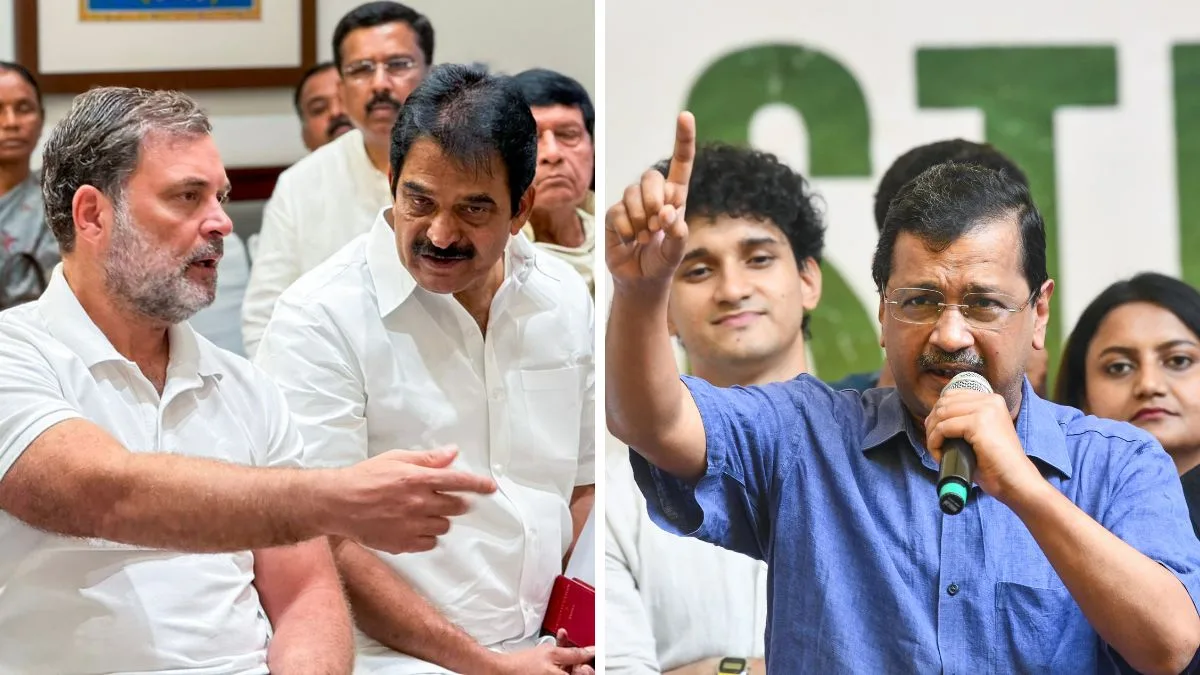
Amid escalating tensions in West Asia following joint military strikes by Israel and the United States against targets in Iran, senior leaders of the Indian National Congress on Saturday urged the Centre to prioritise the safety of Indian citizens in the region.
Leader of the Opposition in the Lok Sabha Rahul Gandhi expressed concern over the rapidly deteriorating security situation, stating that the protection of Indian nationals across West Asia must remain the government’s foremost priority.
Advertisement
He emphasised that Indians working across the Gulf region — including countries such as the United Arab Emirates and Kuwait — could face potential risks if hostilities escalate further, and called for proactive measures to safeguard them.
Echoing similar concerns, Congress General Secretary KC Venugopal highlighted anxiety among families of expatriates, particularly those from Kerala, who constitute a significant segment of the Indian workforce in West Asia.
Venugopal appealed to Prime Minister Narendra Modi and the Ministry of External Affairs to initiate immediate diplomatic and logistical preparedness measures to protect Indian nationals in the region.
Describing the situation as critical, he said India’s expatriate community plays a vital role in supporting the domestic economy through remittances that sustain millions of households. Any further escalation, he warned, could have serious implications for both overseas Indians and their families back home.
The Congress leader urged the government to move beyond monitoring developments and prepare contingency plans, including safe-passage arrangements and evacuation mechanisms similar to India’s previous large-scale rescue operations undertaken during regional conflicts.
With uncertainty growing over the possibility of wider instability, the party stressed the need for a rescue-ready strategy rather than a “wait-and-watch” approach.