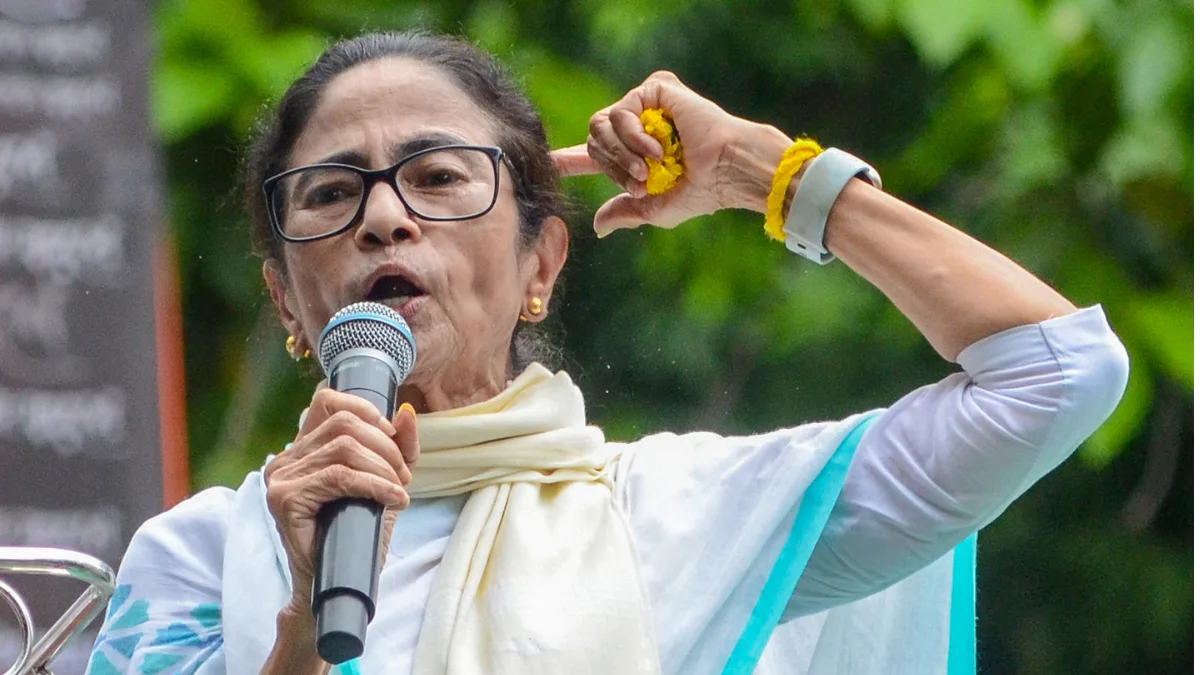
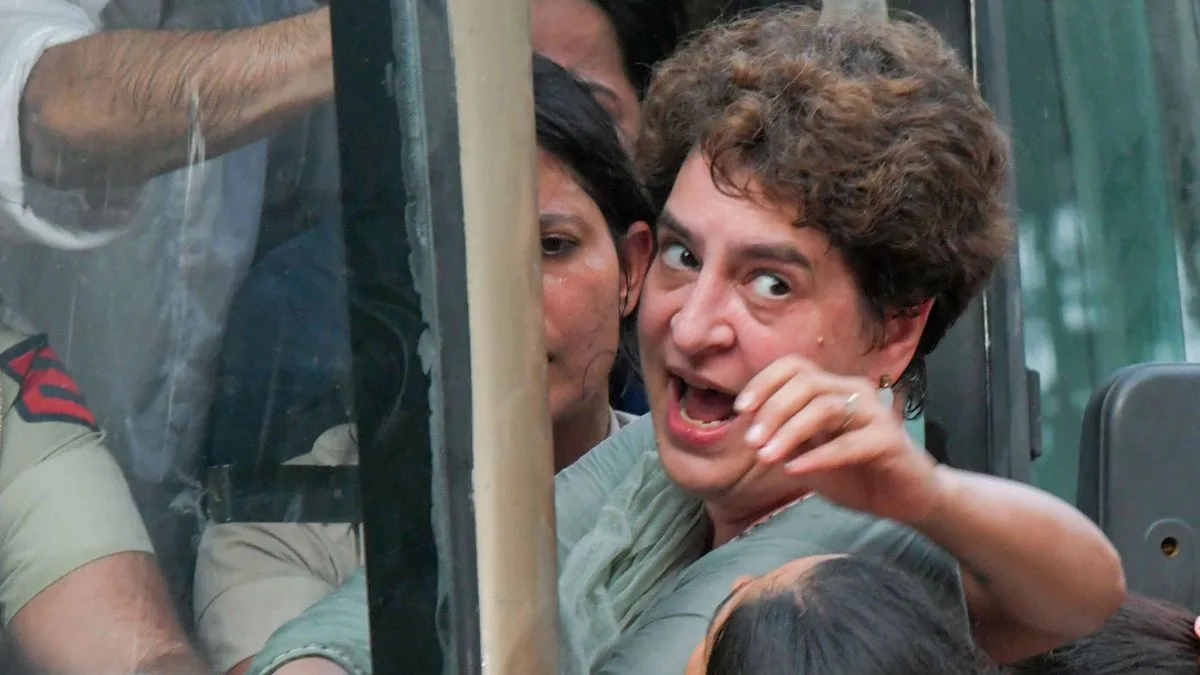
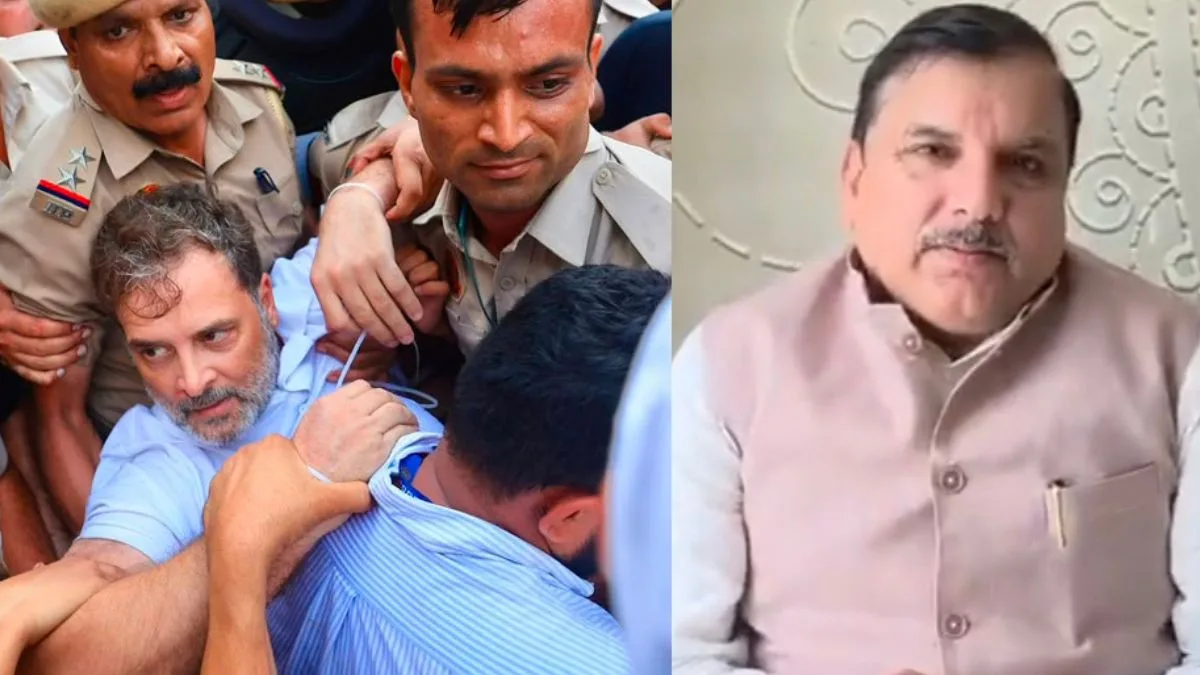
Mamata’s call for anti-BJP unity at Martyr’s Day rally junked by Congress, Left
Bengal BJP president Samik Bhattacharya said Mamata Banerjee should first focus on uniting her own party before attempting to forge an opposition alliance.
“We are studying all these developments for their implications,” the Union Ministry of Commerce & Industry said in a statement.





File Photo: IANS
Reacting to the US Supreme Court’s judgment striking down the reciprocal tariffs, the Union Ministry of Commerce & Industry on Saturday said that it was studying the implications of the ruling.
“We have noted the US Supreme Court judgment on tariffs yesterday. President Trump has also addressed a press conference in that regard. Some steps have been announced by the US Administration. We are studying all these developments for their implications,” the ministry said in its first reaction to the US top court’s ruling.
Advertisement
The court delivered a massive setback to the Donald Trump administration as it struck down the tariffs imposed by the US President on several countries, including India. In its 6-3 verdict, the US Supreme Court held that the reciprocal tariffs imposed by US President Trump on several countries, including India, are unconstitutional.
Advertisement
The top court further ruled that Trump exceeded his authority when he invoked the International Emergency Economic Powers Act (IEEPA) of 1977 to impose these tariffs. Donald Trump’s 10 per cent tariff for 150 days: 5 questions answered
Trump criticized the ruling and slammed the six judges, including the three appointed by the Republican presidents, who delivered the judgment. He invoked Section 122 of the Trade Act of 1974 to announce 10 per cent tariffs on all countries. The rarely used section empowers the US President to impose up to 15 per cent tariffs for 150 days.
The US had signed a trade deal with India earlier this month. Under the interim framework of the deal, Washington reduced its reciprocal tariffs on New Delhi from 25 per cent to 18 per cent.
After the court’s verdict, Trump initially claimed that the ruling would not change anything for the India-US trade agreement and that “New Delhi will be paying tariffs, and we will not be paying tariffs”. However, the White House later clarified that the tariffs on India and all other countries have come down to 10 per cent after the Supreme Court’s ruling.
Advertisement