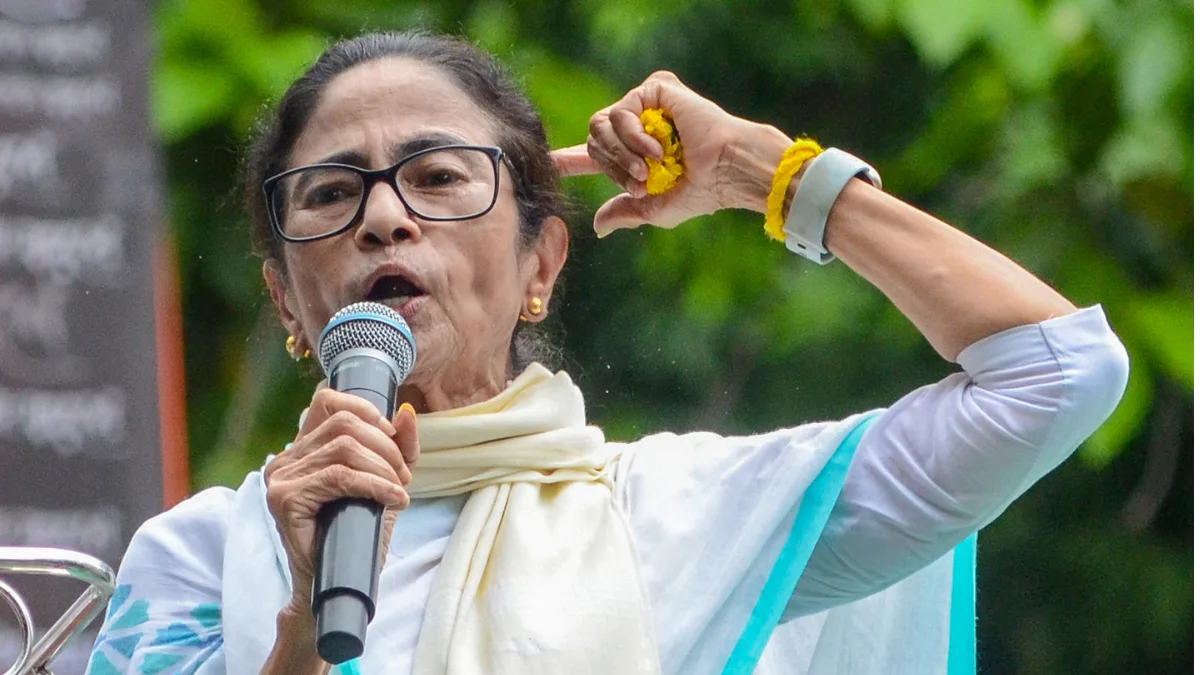
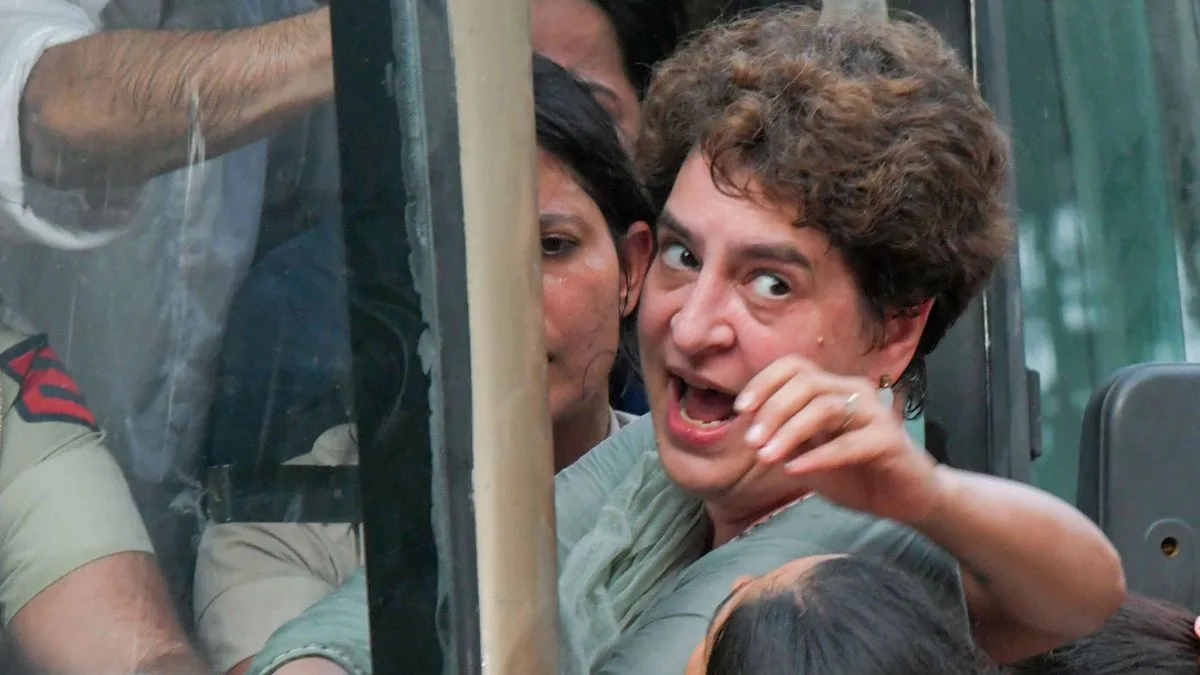
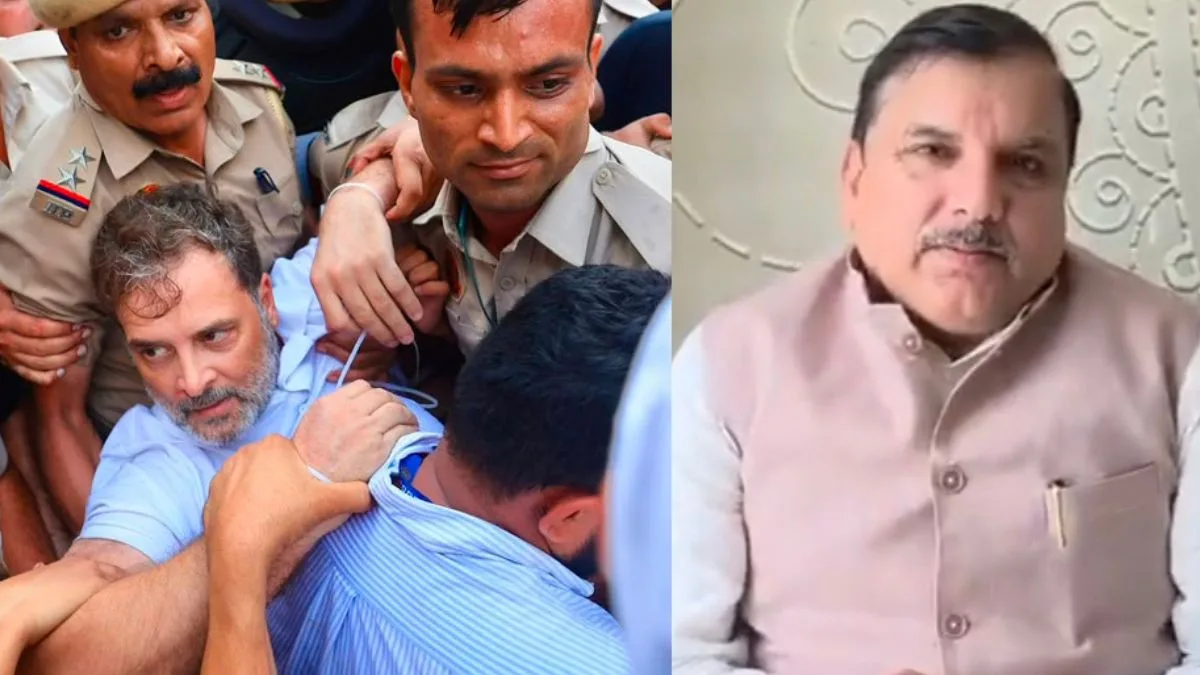
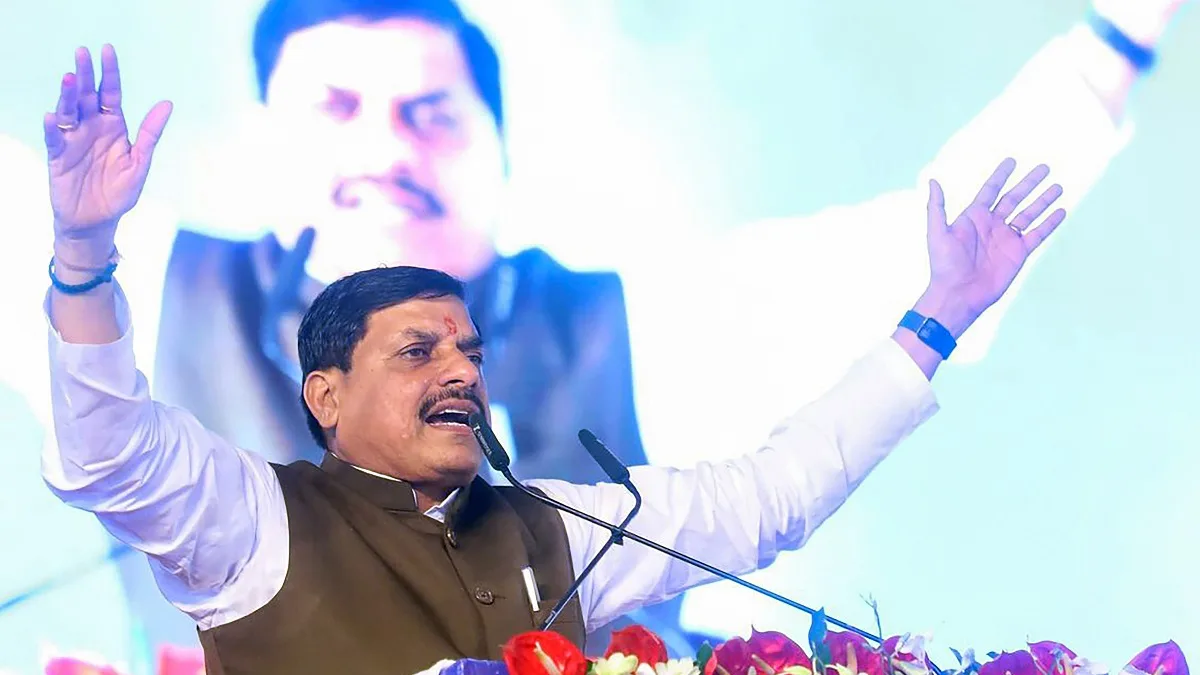
Mamata’s call for anti-BJP unity at Martyr’s Day rally junked by Congress, Left
Bengal BJP president Samik Bhattacharya said Mamata Banerjee should first focus on uniting her own party before attempting to forge an opposition alliance.
Across India’s states, cash transfer schemes have become among the most powerful instruments of electoral politics.




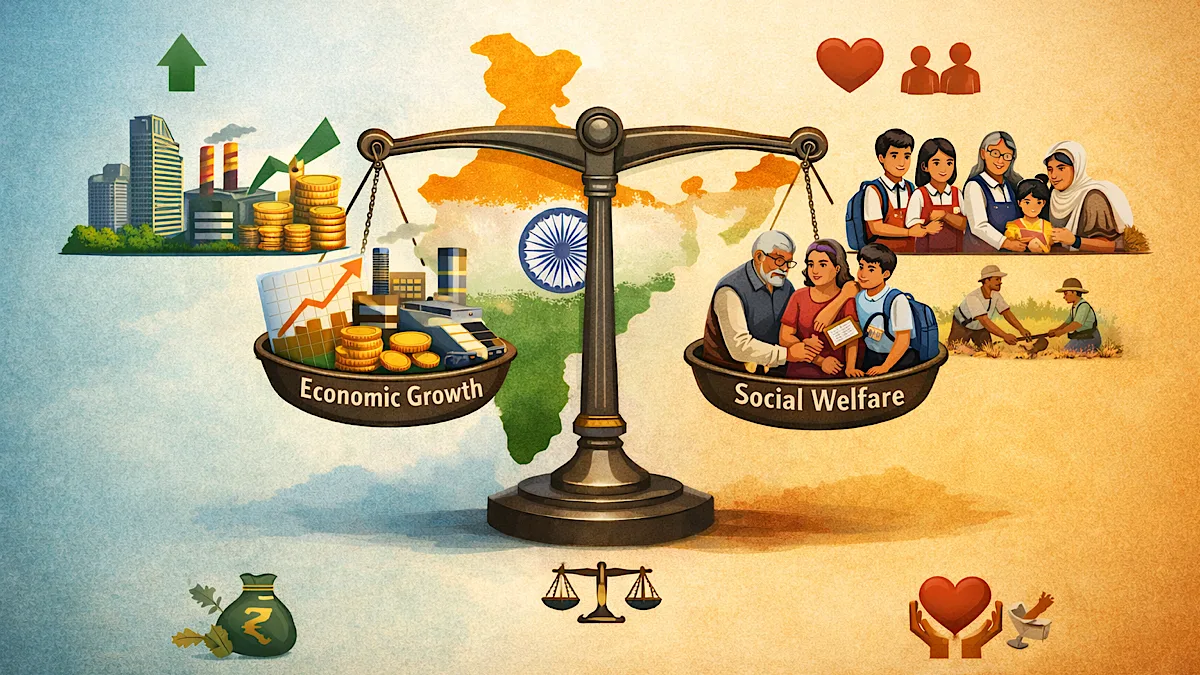
Photo:AI
Across India’s states, cash transfer schemes have become among the most powerful instruments of electoral politics. Promises of direct payments, especially to women, now feature prominently in campaigns, framed as empowerment, recognition of unpaid labour, or immediate economic relief. Yet beneath their popularity lies a deeper economic question: can states continue expanding such schemes without weakening their long-term development capacity? The rapid spread of unconditional cash transfers reflects a shift in welfare thinking. Instead of building services or assets, governments increasingly rely on direct income support to demonstrate responsiveness.
For households facing inflation, insecure employment and rising living costs, such payments provide short-term stability. In that sense, their appeal is understandable. The concern arises when temporary relief begins to substitute for sustained investment. State finances are already under pressure. A large share of revenues is pre-committed to salaries, pensions, interest payments, and other subsidies, leaving limited room for flexibility. As cash transfers grow, they add to recurring expenditure that must be funded annually. Unlike infrastructure projects, which generate long-term returns, these schemes create fiscal rigidity. Once announced, they become politically difficult to roll back, regardless of economic conditions.
Advertisement
This rigidity matters because states are responsible for many investments that determine future growth – schools, healthcare systems, irrigation networks, urban infrastructure, and skill development. When budgets tighten, capital expenditure is postponed, while recurring transfers continue. Over time, this imbalance quietly weakens productivity, job creation, and regional competitiveness. Supporters argue that direct transfers empower beneficiaries, particularly women, by giving them control over spending choices. There is truth in this claim. Evidence suggests such support can stabilise consumption and help households manage immediate needs. However, global experience indicates that these gains rarely translate into lasting improvements in education, health or income mobility unless reinforced by strong public services and employment opportunities. The deeper risk is philosophical. When welfare becomes detached from development, the state’s role shifts from institution-building to periodic distribution. This may generate quick political returns but delivers limited structural change.
Advertisement
Countries that have managed this balance more effectively have designed cash support to be conditional, review-based, and time-bound – linked to schooling, healthcare, or skill outcomes rather than open-ended entitlements. India’s policy challenge is not whether to support vulnerable citizens, but how to do so sustainably. In an economy marked by informality and income volatility, social protection is essential. But protection cannot replace progress. Financing rising revenue expenditure through borrowing ultimately shifts the burden to future taxpayers, narrowing fiscal space for development even further. As elections multiply and welfare commitments intensify, the temptation to prioritise immediacy over sustainability will only grow. The real test of governance lies not in how much money is distributed today, but in whether tomorrow’s citizens inherit stronger institutions, better services, and broader opportunity. Without that balance, welfare risks becoming not a bridge to growth, but a barrier against it.
Advertisement