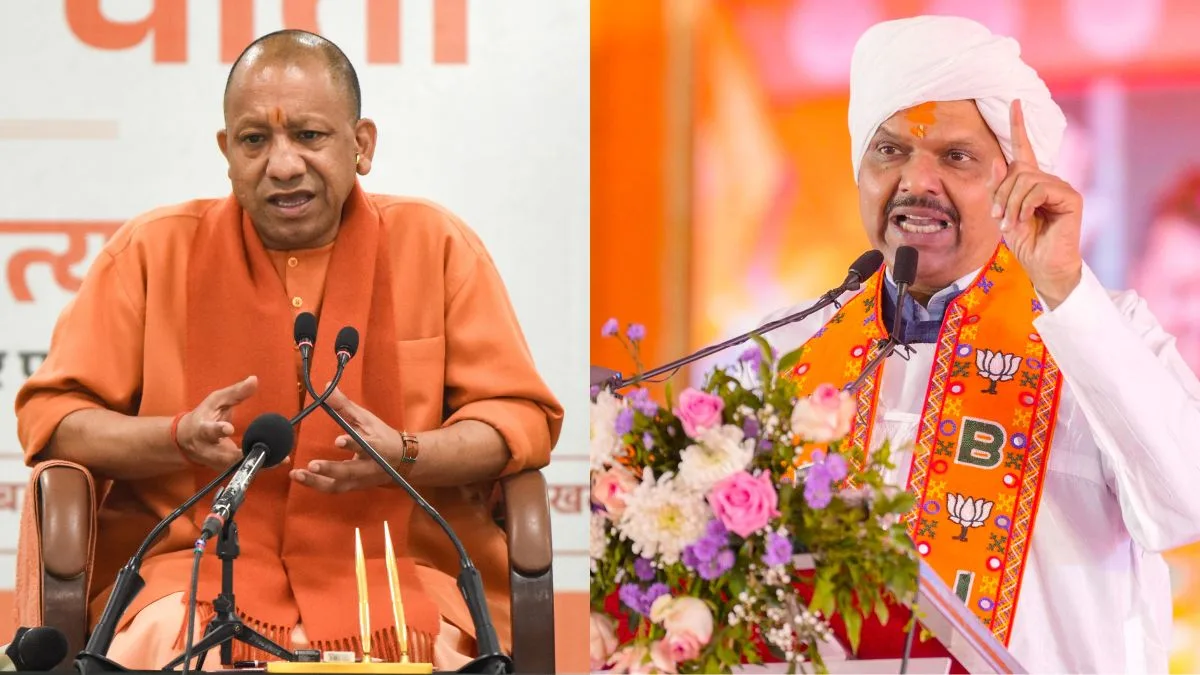
For Chief Minister Devendra Fadnavis, the BJP-led Mahayuti alliance’s sweep in Maharashtra local bodies elections have added another milestone in his career along with enhancing his position within the party — placing him in conversations regarding the saffron party’s future national leadership with top names like Union Minister Amit Shah and Uttar Pradesh Chief Minister Yogi Adiyanath.
The Mahayuti alliance secured control of 25 out of 29 municipal corporations with the BJP emerging as the single largest party in majority of them. The party also achieved a breakthrough in Mumbai’s cash-rich Brihanmumbai Municipal Corporation (BMC), long considered an undivided Shiv Sena’s stronghold, and consolidated power in key urban centres such as Pune and Nagpur.
Advertisement
What seems to have particularly strengthened Fadnavis’s standing was his key role in planning and executing the campaign. Party insiders point to the poll strategy that was largely orchestrated at the state level with minimal involvement of the Central leadership. “Fadnavis controlled the candidate selection, ward-level planning, infrastructure-centric messaging, and strategic expansion of the party,” they say.
Coming as it does after an underwhelming performance in Maharashtra during the 2024 Lok Sabha elections, this victory is crucial for the party’s future prospects. The state sends 48 MPs to Parliament — the second-highest after Uttar Pradesh’s 80 members — making it central to saffron calculations. In those terms, the civic victory has helped the BJP regain a momentum while reinforcing Fadnavis’s reputation as its most effective strategist in the state.
Fadnavis credited the cadres, the BJP’s development agenda, Prime Minister Narendra Modi’s leadership, and the trust people have reposed in him for the victory. However, observers credit this success to Fadnavis, saying under his leadership, the Mahayuti completely transformed the state’s political landscape. “By continuing the run from the assembly to the municipal elections, the party has proven that the people of the state have faith in it,” they add.
The results also fueled speculations about Fadnavis’s prospects at the national level, particularly the roles of the Central leadership beyond 2029.
Observers say that the civic sweep has amplified his say in the discussions on national strategy and paved his “path to Delhi, though any immediate elevation remains unlikely”. Within the broader BJP ecosystem, Adityanath remains a formidable figure with his strong Hindutva posture, law-and-order focus, and command over the party’s largest electoral base — Uttar Pradesh — but his leadership model is different from that of Fadnavis who is often described as corporate and CEO-like. Plus, he also seems better placed with the RSS.
“Adityanath and Fadnavis have contrasting leadership styles. Adityanath has an aggressive style emphasising Hindutva enforcement, strict law-and-order measures like the bulldozer policy against crime and rapid infrastructure like expressways. His governance also prioritises ideological firmness and, at times, polarising decisions. (On the other hand), Fadnavis is more of a technocratic, inclusive type of a chief minister, focussing on transparency and investor-friendly policies attracting FDI. He also excels in coalition management and strategic politics, focusing on development over confrontation,” say observers.