HC orders Amit Jogi to surrender in Jaggi murder case, political tempers rise in Chhattisgarh
The Chhattisgarh High Court has directed Amit Jogi to surrender within three weeks in the Ram Avtar Jaggi murder case.
In a landmark ruling that reaffirms the primacy of statutory marriage under Indian law, the Chhattisgarh High Court has held that a live-in relationship or even a man’s acceptance of children cannot confer legal status when a woman’s first marriage remains valid and undissolved.




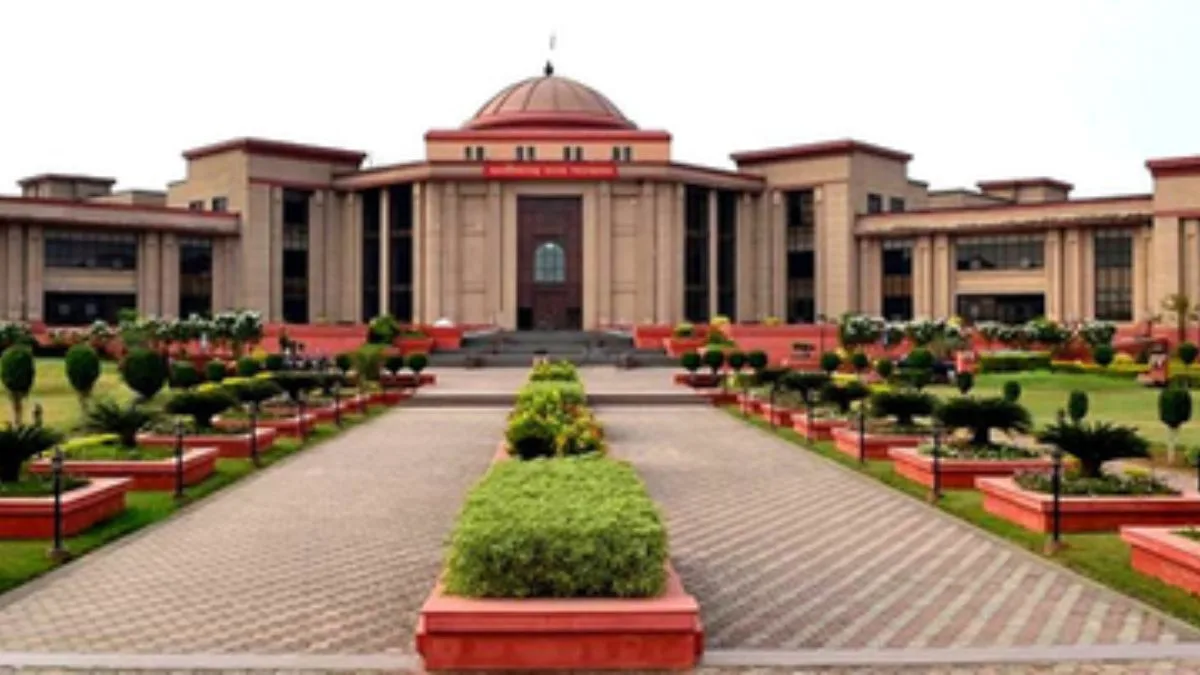
Photo: IANS
In a landmark ruling that reaffirms the primacy of statutory marriage under Indian law, the Chhattisgarh High Court has held that a live-in relationship or even a man’s acceptance of children cannot confer legal status when a woman’s first marriage remains valid and undissolved. The court ruled that marital and inheritance rights flow strictly from law, not from long personal associations or mutual consent.
A Division Bench of Justice Rajani Dubey and Justice A.K. Prasad dismissed a petition filed by a woman and her two daughters who sought to be declared the lawful wife and legal heirs of a Bilaspur-based businessman. Upholding the Family Court’s verdict, the Bench refused to recognise the claimed relationship, underscoring that legal status cannot be created in violation of statutory provisions.
Advertisement
The case stemmed from a claim that the woman, married in 1960, later entered into a ceremonial marriage with another man in 1971 and lived with him as his wife. The daughters asserted that they were born from this relationship and were acknowledged as his children throughout his lifetime. The courts, however, found no evidence that the woman’s first marriage had ever been legally dissolved through divorce, annulment, or proof of the first husband’s death.
Advertisement
The High Court noted that Sections 5 and 11 of the Hindu Marriage Act, 1955, render a second marriage void if a prior marriage subsists. It further relied on Section 112 of the Indian Evidence Act, which creates a strong presumption that children born during the continuance of a valid marriage are deemed to be the offspring of the lawful husband, unless non-access is conclusively proved through medical and legal evidence.
Official records, including Aadhaar and other government documents, were also cited by the Bench, as they consistently recorded the first husband as the father of the daughters. The court made it clear that a later acknowledgment by another man, even one recorded before a court, cannot override statutory presumptions or rewrite succession laws.
Dismissing the appeal, the High Court observed that the dispute was closely tied to property claims and reiterated that “legal relationships and inheritance cannot be fashioned through personal arrangements or statements that run contrary to law.” The ruling brings finality to the case, denying the petitioners any marital or succession rights over the respondent’s estate.
The judgment is being seen as a significant reaffirmation of settled family law principles, drawing a firm boundary between social relationships and legally enforceable rights, an issue increasingly surfacing in inheritance and succession disputes across the country.
Advertisement