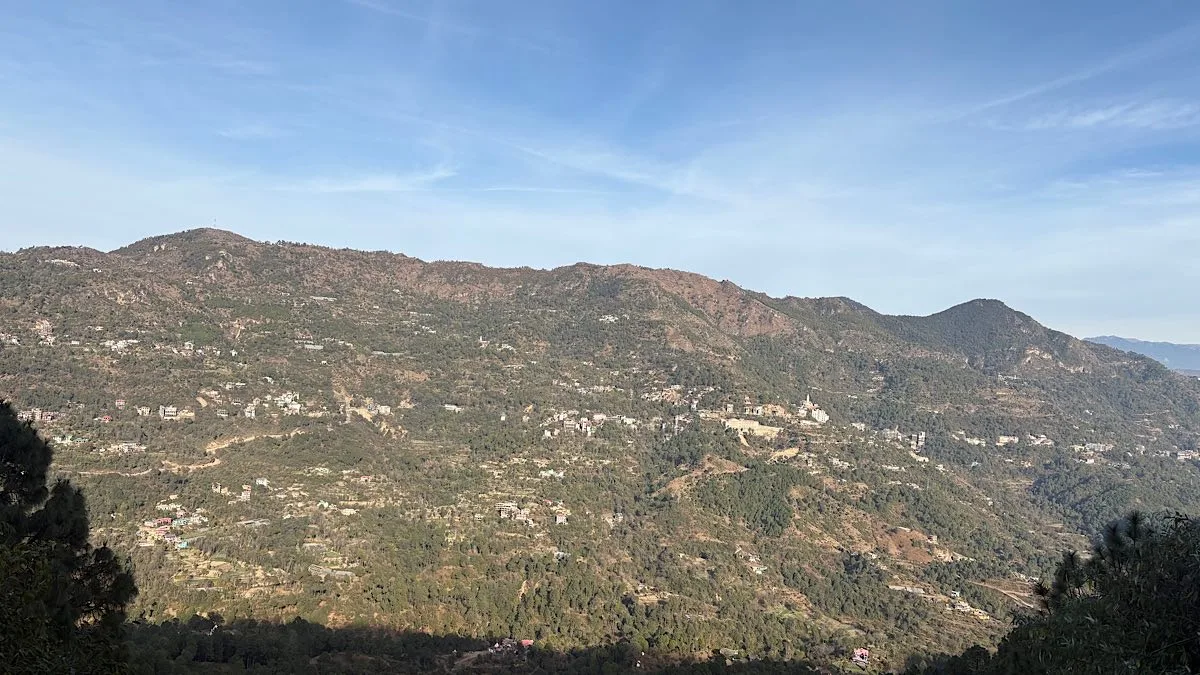
The Himalayas are often described as India’s natural fortress, its water tower, and its climatic stabiliser. But fortresses can crumble, towers can run dry, and stabilisers can fail. The increasingly bare and rocky winter face of the Himalayas is not just a visual shock; it is an early warning signal of a deeper systemic disruption that India is dangerously underprepared for. For centuries, winter snow has performed a quiet but indispensable role. It accumulated patiently, melted gradually, and fed rivers steadily through spring and summer. That rhythm is now breaking.
Winters are becoming drier, snow is falling unevenly, and what does fall is melting faster. This is not a one-off aberration but a pattern that is hardening year after year. The implications are profound. India’s major river systems do not depend only on monsoons; they depend critically on snowmelt. When winter snow declines, rivers lose their buffer. Water becomes more seasonal, more erratic, and more politically sensitive. Irrigation cycles suffer. Hydropower planning becomes uncertain. Urban water security becomes fragile. The idea that glaciers alone will “store” water for the future is a dangerous illusion if snowfall – their primary recharge mechanism – is weakening.
Advertisement
Equally worrying is what vanishing snow does to the mountains themselves. Snow and ice are not just water reserves; they are structural glue. They bind rock, soil, and slope into a fragile equilibrium. When that glue weakens, mountains destabilise. Landslides, rockfalls, debris flows, and glacial lake bursts are not random acts of nature. They are symptoms of a system losing cohesion. Every road cut, every tunnel and dam then multiplies the risk. India’s Himalayan policy has long been caught between development ambition and ecological caution. The current moment demands a reset. Infrastructure cannot be planned on outdated climatic assumptions. Hydropower projects must account for reduced and volatile flows, not just peak potential.
Tourism must be managed as a stress factor, not an entitlement. Urban expansion in hill towns needs hard limits, not cosmetic regulations. There is also a diplomatic dimension. The rivers born in these mountains cross borders. A weakening Himalayan hydrological system will ripple through relations with neighbours, particularly in years of drought or flood. Water security will quietly become strategic security. Most importantly, the Himalayan crisis exposes the limits of India’s climate conversation. Too often, climate change is framed as a coastal problem, a heatwave problem, or an air pollution problem. The slow unravelling of the mountains does not generate daily headlines, but it carries generational consequences. When the snow fails, it is not just the mountains that suffer; it is farms in the plains, cities downstream, and livelihoods far from the peaks. The Himalayas are telling us something uncomfortable: that stability is no longer guaranteed. The question is whether we listen now, or wait until the rivers, the slopes, and the settlements force the lesson upon us