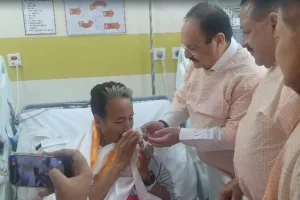
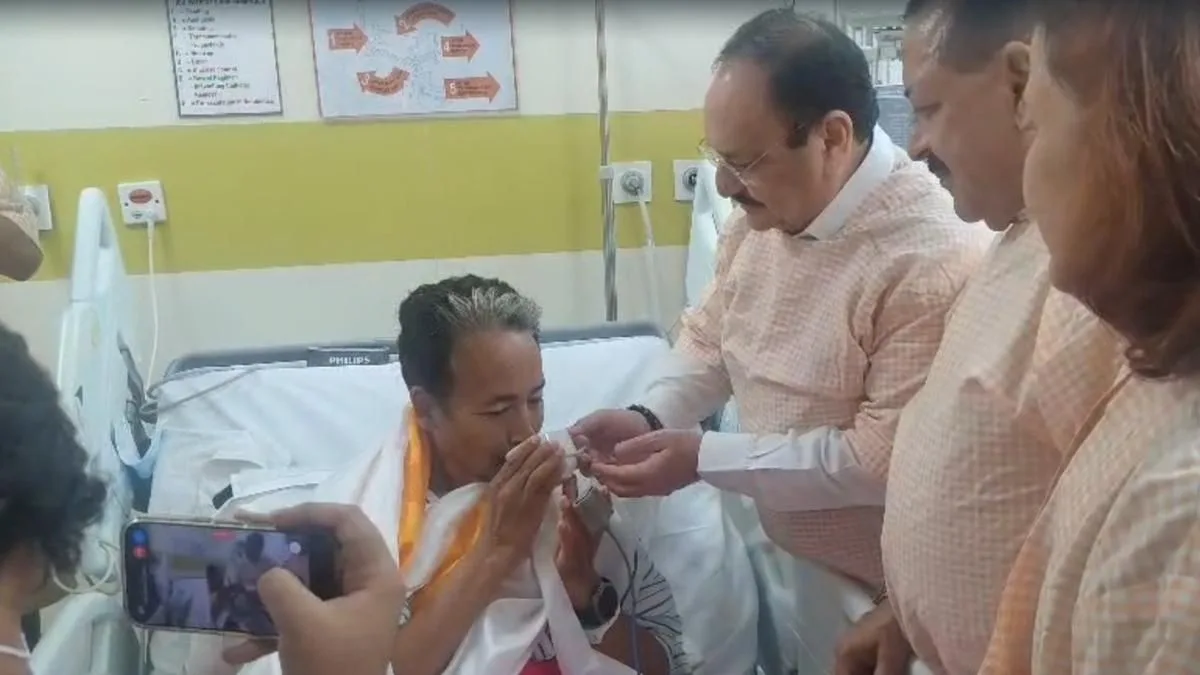
Tomatoes, eggs fly as BJP, Congress workers clash in Ranchi
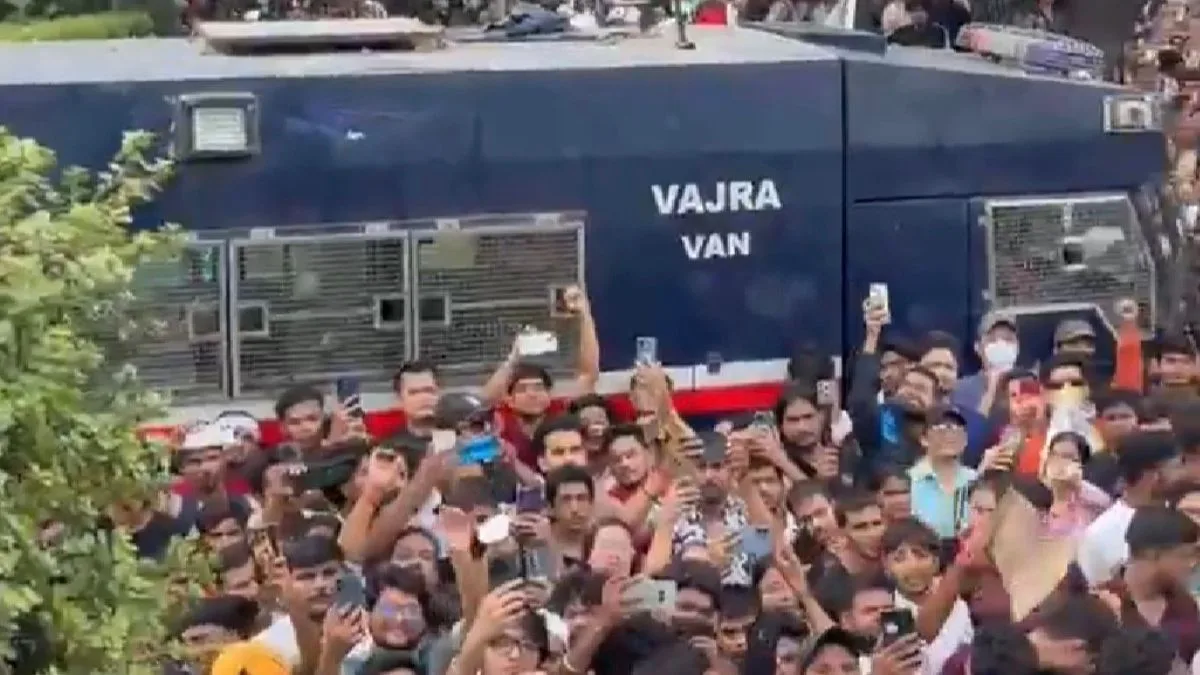
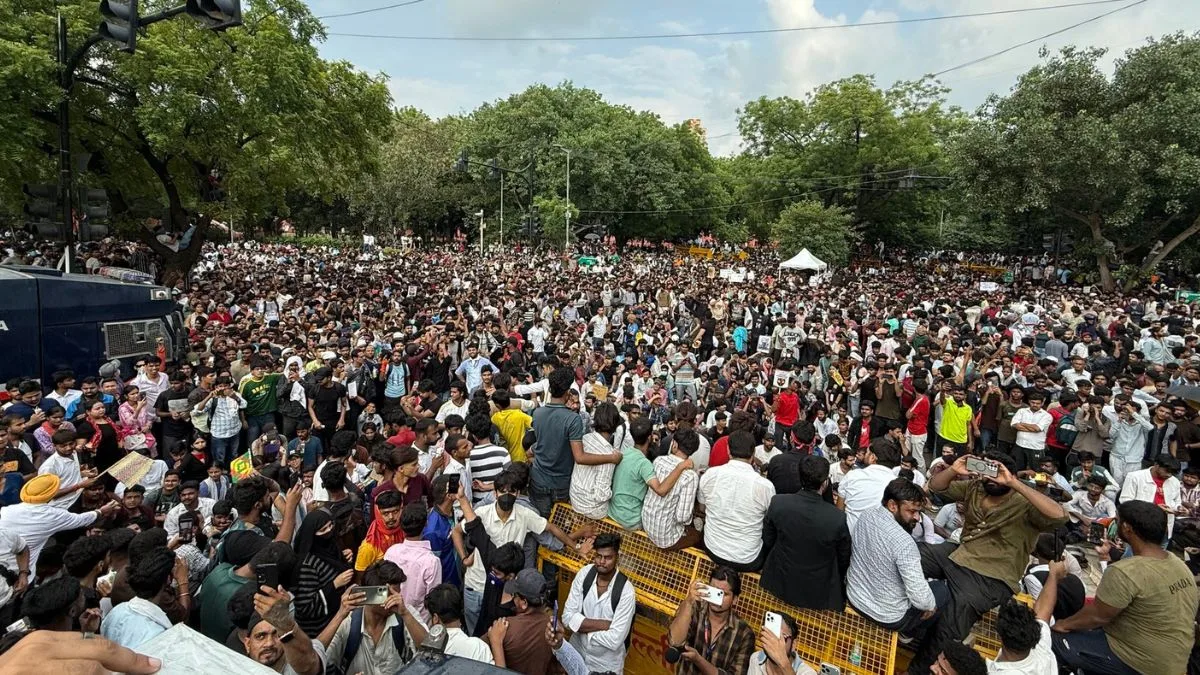
A Congress march against the alleged NEET paper leak and police action on protesting students turned into a political street showdown in Ranchi on Thursday.
The release of Uttar Pradesh’s draft electoral rolls has done more than trigger routine political anxiety ~ it has revealed a structural disconnect between India’s urban reality and its electoral administration.




File Photo: IANS
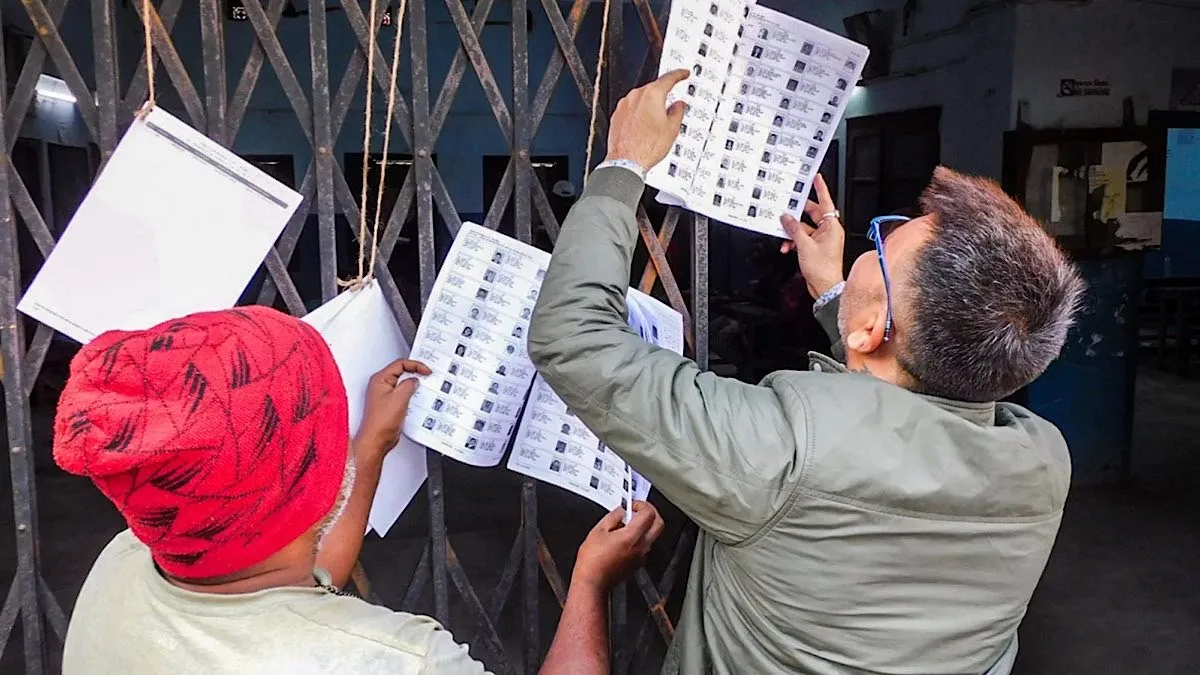
The release of Uttar Pradesh’s draft electoral rolls has done more than trigger routine political anxiety ~ it has revealed a structural disconnect between India’s urban reality and its electoral administration. When a large share of proposed deletions is concentrated in cities, the issue is less about political intent and more about how democracy copes with mobility. At first glance, the deletions appear procedural: uncollected enumeration forms, duplication, and address mismatches.
But the pattern is telling. Urban constituencies show disproportionately higher numbers of deletions not because city residents are disengaged, but because cities host a floating population that does not see the urban address as politically permanent. Millions who migrate from villages for work consciously retain their voter registration in their native places, where family ties, land, and local influence still matter more than the anonymity of the city. In that sense, the draft rolls are reflecting a choice as much as an omission. The city functions as an economic space, while the village remains the political anchor.
Advertisement
When door-to-door verification takes place in urban booth areas during working hours, migrant workers are often absent, rentals change hands quickly, and documentation trails reality. What follows is administrative logic, not exclusionary design. What the revision process is also revealing is the scale of a long-ignored contradiction in voter behaviour. For years, electoral rolls quietly absorbed duplication created by migration, as individuals remained registered in their native villages while living and working elsewhere. That arrangement was politically convenient and administratively tolerated, but it was never legally sustainable. The current exercise is, at its core, an attempt to realign the rolls with the principle of single, place-based electoral registration. The political consequences, however, are real.
Advertisement
Urban electoral strength depends not only on voter preference but on voter presence on the rolls. When large numbers are flagged for deletion in cities, established assumptions of political parties like the BJP about urban voting behaviour are unsettled. Parties with dense booth-level networks and constant voter engagement are better equipped to guide people through correction mechanisms. Those relying on past majorities or broad sentiment discover that organisational slack can quickly translate into electoral risk. Seen this way, the deletions do not represent exclusion but consolidation.
They mark the point where administrative practice is finally catching up with social reality. Migrant voters are not being denied participation; they are being asked, perhaps for the first time, to make a clear choice about where their political citizenship resides. The discomfort this creates for urban centric parties like the BJP is understandable, but it is also unavoidable. But its outcomes underline a deeper institutional reality: India’s political geography still lags behind its economic geography. Cities absorb labour at scale, but aren’t sites of political belonging for millions who live and work within them. As migration reshapes India’s cities, electoral politics will increasingly reflect this tension between economic movement and political rootedness. The draft rolls merely reflect where the vote truly belongs despite social mobility
Advertisement