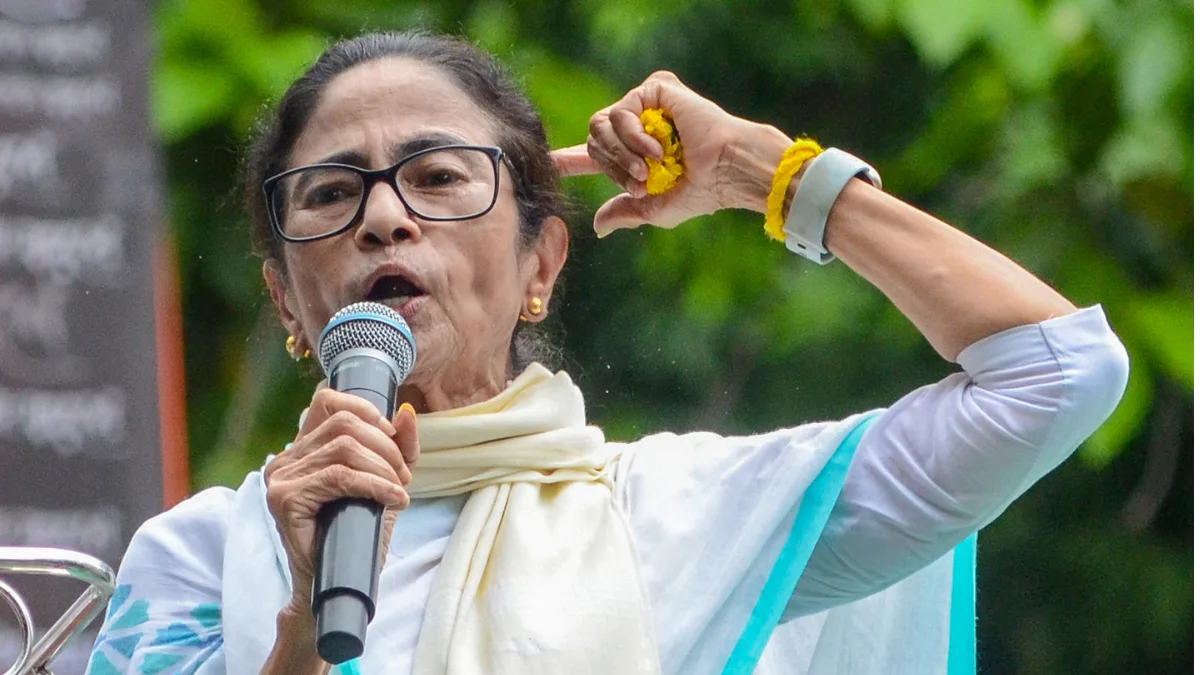
Mamata’s call for anti-BJP unity at Martyr’s Day rally junked by Congress, Left
Bengal BJP president Samik Bhattacharya said Mamata Banerjee should first focus on uniting her own party before attempting to forge an opposition alliance.
Expressing his support for the issue, Govardhan Puri Peethadheeshwar Shankaracharya Swami Adhokshajanand Dev Teerth Maharaj stated that public representatives in India should take their oaths of office on the Shrimad Bhagavad Gita and the Ramayana.




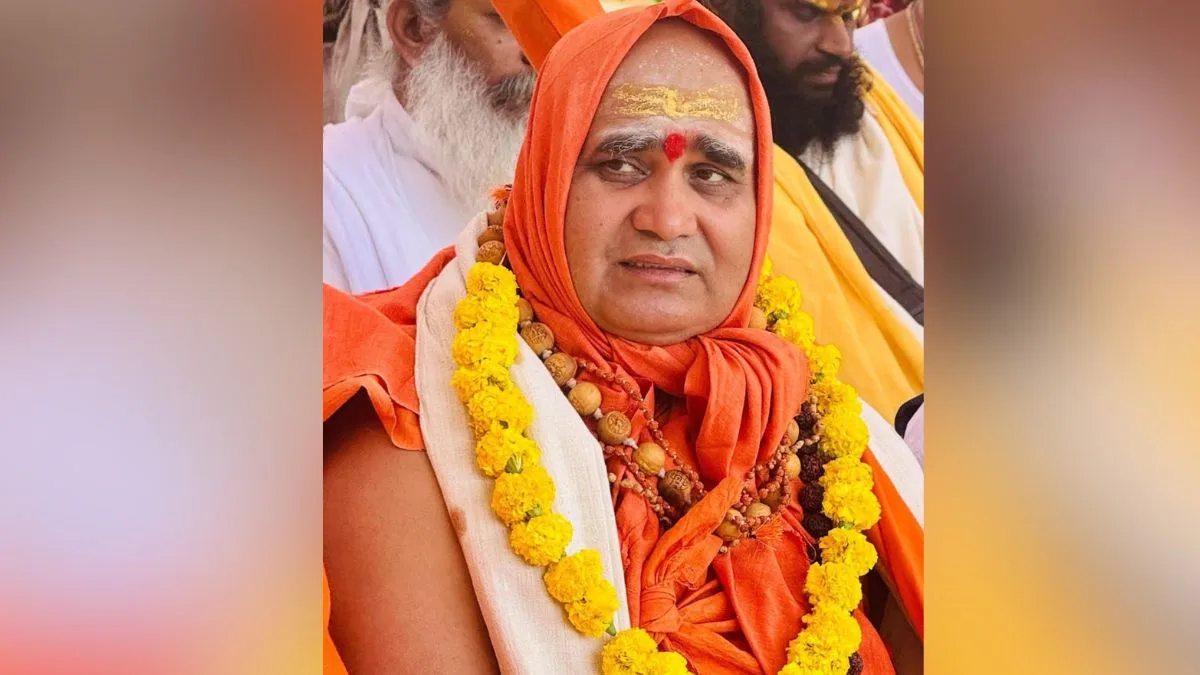
Photo: SNS
After New York Mayor Zohran Mamdani took the oath of office on the Quran, the demand for taking oaths on religious texts in India has intensified.
Expressing his support for the issue, Govardhan Puri Peethadheeshwar Shankaracharya Swami Adhokshajanand Dev Teerth Maharaj stated that public representatives in India should take their oaths of office on the Shrimad Bhagavad Gita and the Ramayana.
Advertisement
The Shankaracharya argued that India is a country of Hindus, and the roots of its culture are embedded in our holy scriptures. He said, “The country’s Constitution changes from time to time, and amendments are made as needed, but our religious texts are eternal and immutable.”
Advertisement
According to him, taking oaths on holy scriptures will instil a deeper sense of morality and responsibility in public representatives.
Referring to the recent incident in New York, Swami Adhokshajanand said that if people in other countries can take oaths according to their religion and faith, why can’t India respect its own culture and scriptures? He emphasised that the Ramayana and Gita are not merely religious texts, but the foundation of life and symbols of righteousness.
Following Mamdani’s oath-taking ceremony, the debate has erupted on social media and various religious platforms. Supporters believe this will bring purity to governance, while others advocate making it part of the constitutional process.
Currently, the Shankaracharya’s statement is sparking a new discussion across the country: should India prioritise cultural symbols in its oath-taking process?
Advertisement