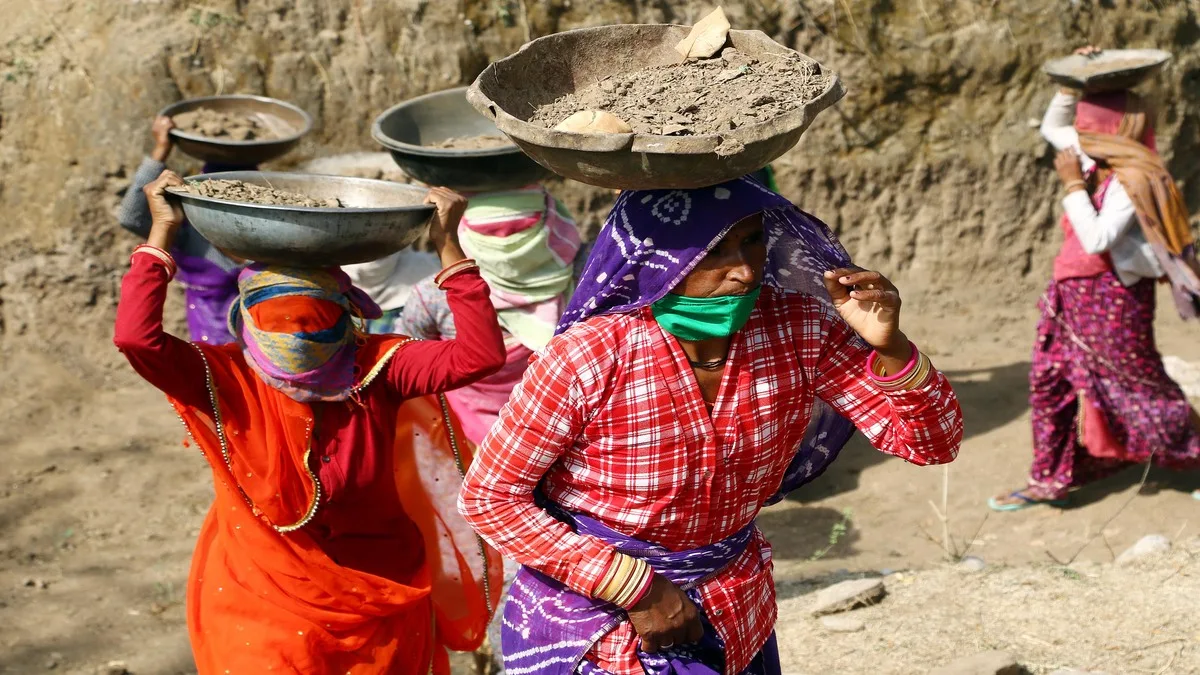
The decision to repeal a long-standing rural employment guarantee and replace it with a new framework has reopened a fundamental debate about how India understands welfare, work, and federalism. What is being contested is not merely a scheme, but a philosophy that treated employment as a right rather than a discretionary benefit. For over a decade, the employment guarantee acted as a shock absorber for rural India. Its demand-driven design gave workers a legal claim on the state during periods of distress ~ whether caused by drought, agrarian slowdown, or economic shocks.
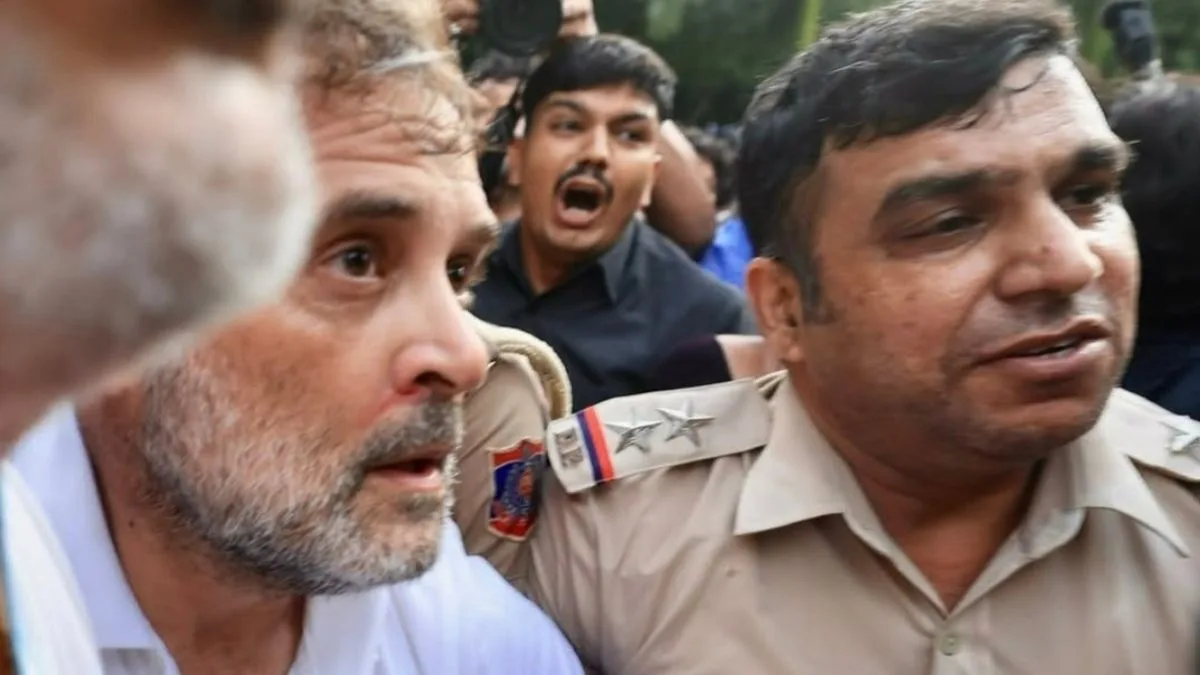
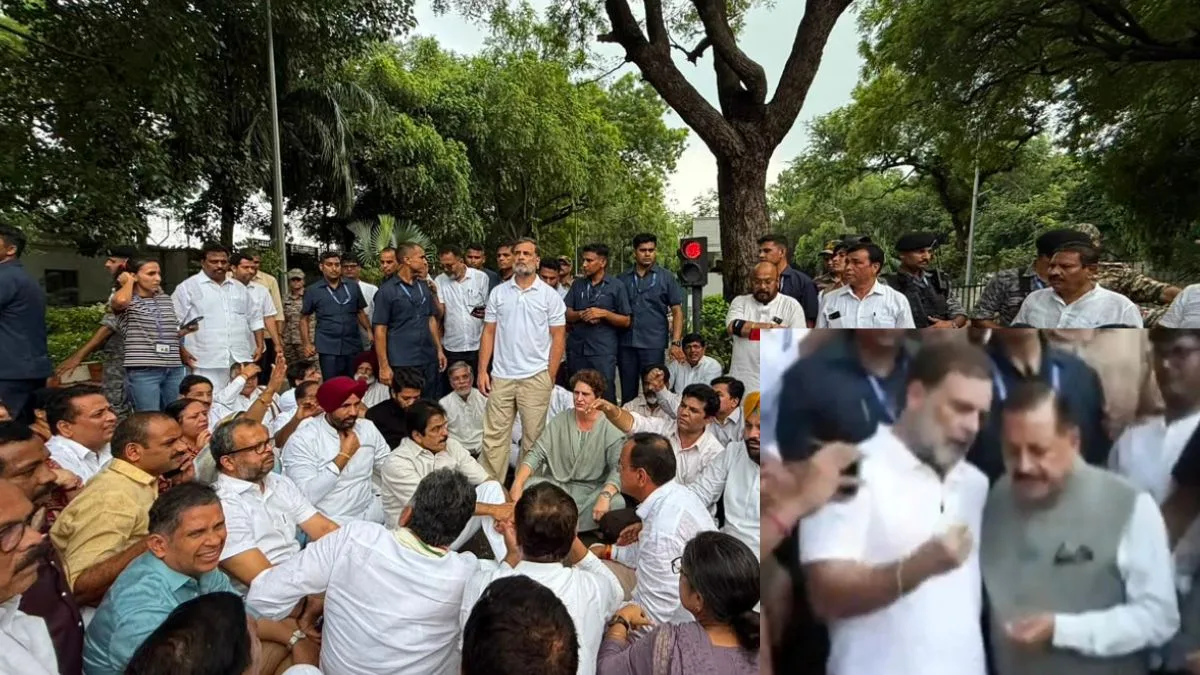
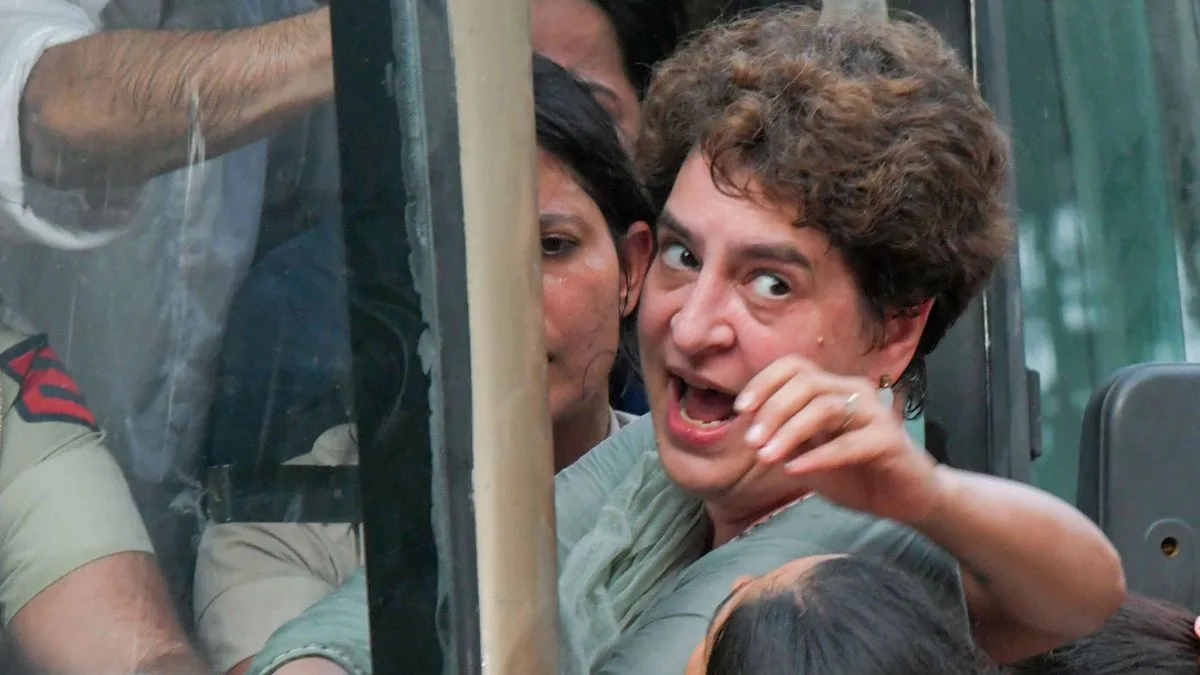
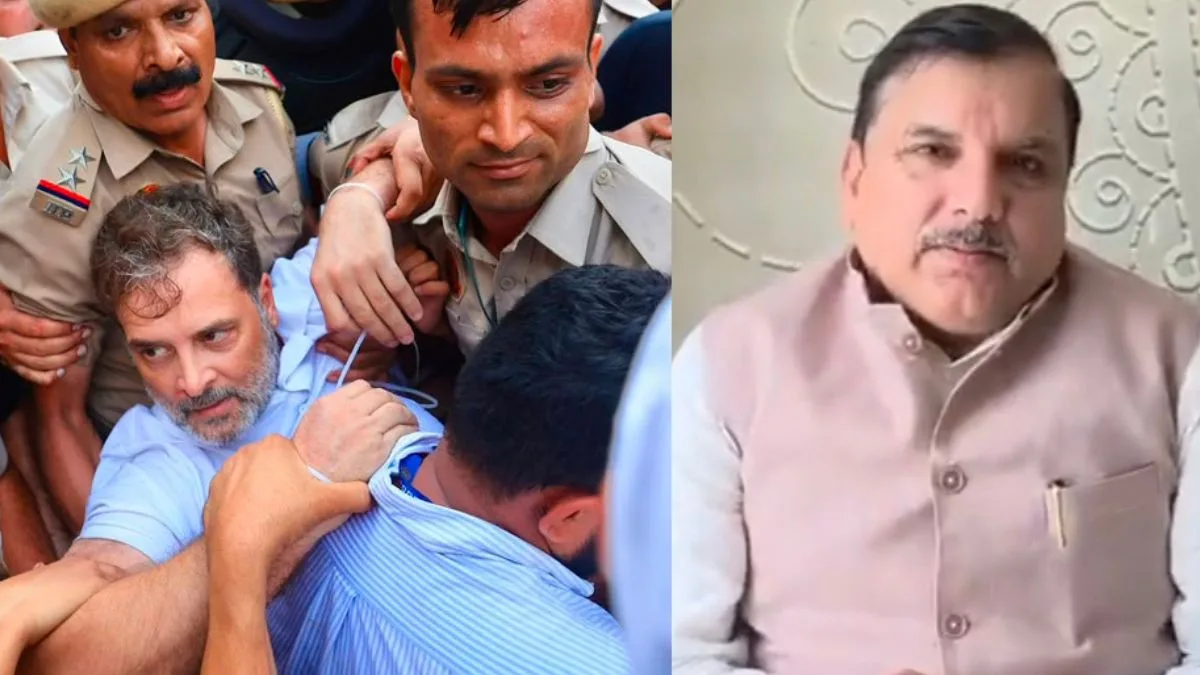
In doing so, it altered the relationship between citizen and government, embedding a rights-based approach into everyday governance. Its replacement with a centrally determined allocation model marks a decisive shift away from that idea. The Congress’s decision to mobilise on the streets reflects an understanding that this change cannot be fought only through parliamentary arithmetic. The charge being levelled is not just about reduced funding or altered cost-sharing between the Centre and states, but about the erosion of consultation itself. When welfare architectures are redesigned without broad engagement with states, local governments, and beneficiaries, policy begins to look imposed rather than negotiated. A key concern lies in the new financial structure. By capping allocations and transferring excess expenditure risks to states, the burden of guaranteeing employment quietly moves away from the Centre.
Advertisement
For fiscally weaker states, this effectively converts a national commitment into a conditional one. In practice, it could mean fewer workdays, delayed payments, or informal rationing ~ outcomes that undermine the very purpose of a safety net. There is also a deeper symbolic dimension to the controversy. Removing historical associations and renaming welfare programmes may appear cosmetic, but names often encode political intent. In this case, critics argue that the shift signals a move from rights to benevolence ~ from guaranteed work to managed relief. That distinction matters in a country where informal labour dominates and economic insecurity remains widespread. Supporters of reform argue that the old system was inefficient, leak-prone, and fiscally unsustainable. Those criticisms are not without merit.
Any programme of this scale demands constant reform, better monitoring, and adaptability to changing rural realities. Yet, reform and replacement are not the same thing. Improving delivery mechanisms is very different from dismantling the legal spine that gave workers bargaining power vis-à-vis the state. The emerging protest, therefore, is less about nostalgia and more about precedent. If one rights-based welfare framework can be restructured unilaterally, others may follow. For India’s rural poor, the stakes extend beyond one law to the assurance that economic vulnerability will still be met with enforceable guarantees rather than policy discretion. In the end, the confrontation reveals a broader question facing Indian democracy: should social protection be anchored in law and entitlement, or redesigned as a centrally managed instrument shaped by fiscal priorities and political vision? The answer will shape not only rural livelihoods, but the future grammar of welfare itself.