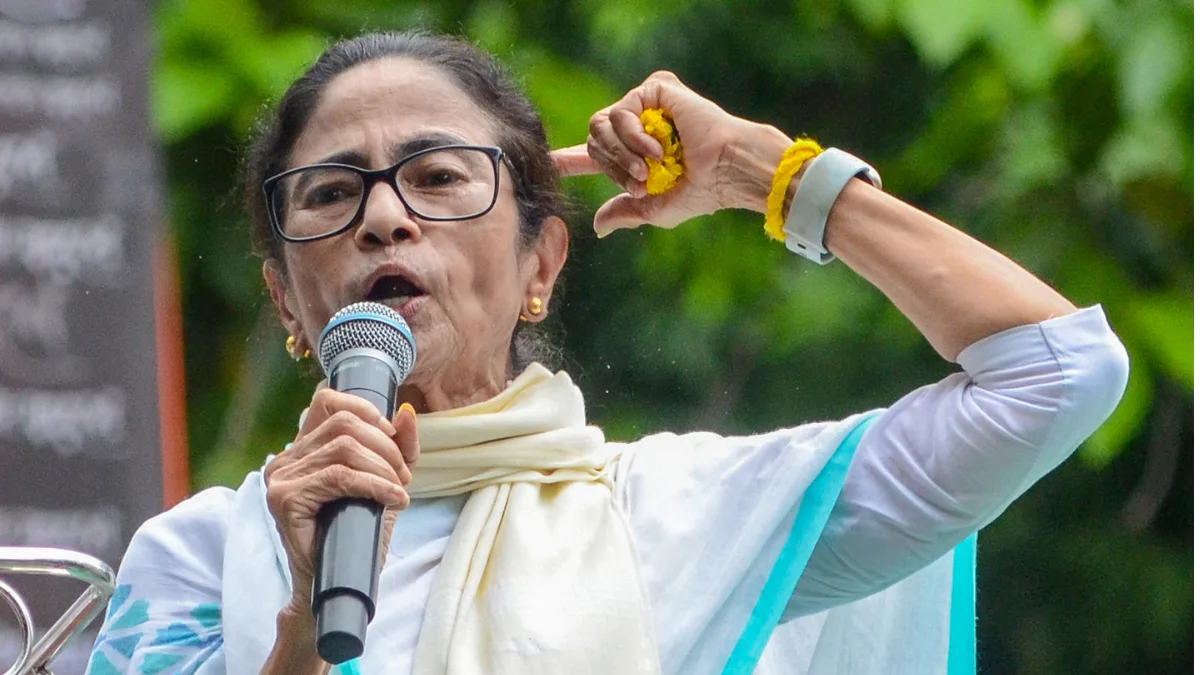
Mamata’s call for anti-BJP unity at Martyr’s Day rally junked by Congress, Left
Bengal BJP president Samik Bhattacharya said Mamata Banerjee should first focus on uniting her own party before attempting to forge an opposition alliance.
Calling the agreement a “bad deal” for New Zealand, Winston Peters, whose New Zealand First is a coalition partner in the National-led government, said his country has given too much away in signing the FTA, particularly on immigration. He said New Zealand has failed to secure enough in return for the country’s citizens, including on dairy.




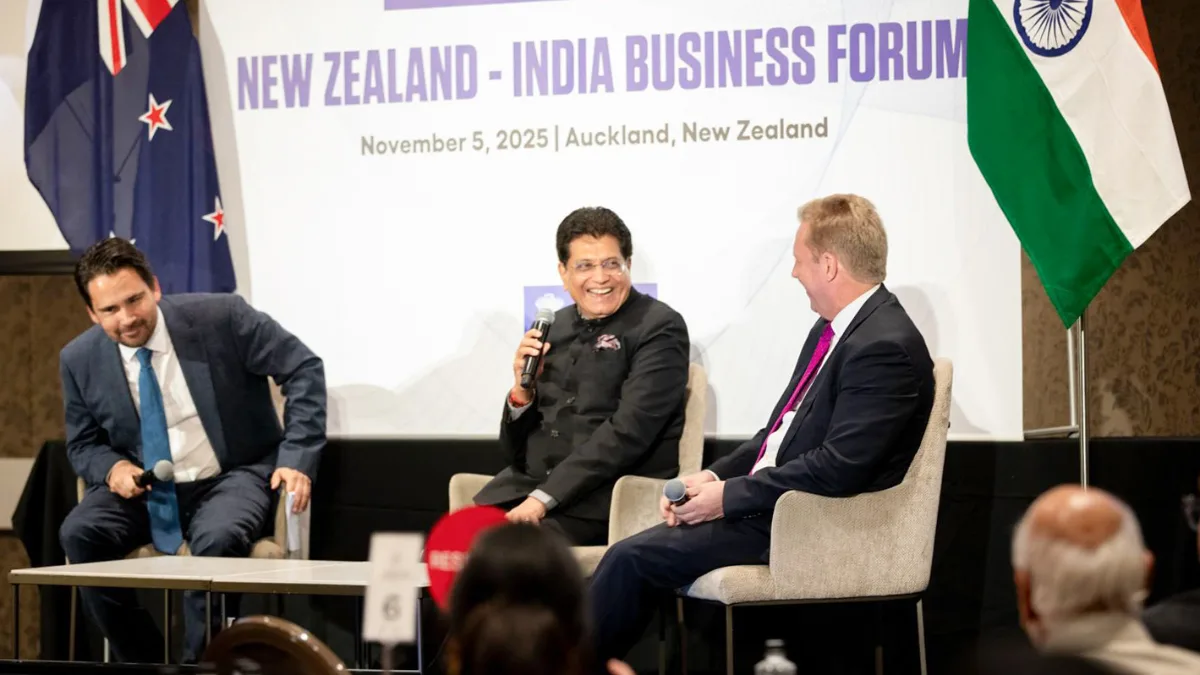
Union Commerce and Industry Minister Piyush Goyal during a meeting with New Zealand Trade Minister Todd McClay at the India–New Zealand Business Forum, in Auckland on November 4, 2025. (Photo: IANS/X/@PiyushGoya)
Winston Peters, the Foreign Minister of New Zealand, has opposed the free trade agreement his country has concluded with India.
Writing on X hours after the deal was announced, Peters, leader of the New Zealand First party, said Monday that the India-New Zealand Free Trade Agreement is “neither free nor fair”.
Advertisement
Calling the agreement a “bad deal” for New Zealand, Peters, whose New Zealand First is a coalition partner in the National-led government, said his country has given too much away in signing the FTA, particularly on immigration. He said New Zealand has failed to secure enough in return for the country’s citizens, including on dairy.
Advertisement
He went on to claim that the New Zealand government should not have agreed to the “low-quality deal with India” in view of the fact that a parliamentary majority for the agreement is uncertain.
“Unfortunately, these pleas went unheeded. National preferred doing a quick, low-quality deal over doing the hard work necessary to get a fair deal that delivers for both New Zealanders and Indians,” the New Zealand minister further wrote.
He argued that while Indian products will get complete access to the New Zealand market, India has retained significant tariff barriers for major dairy products.
“This is not a good deal for New Zealand farmers and is impossible to defend to our rural communities,” Peters claimed.
Peters also took objection to two other aspects of the FTA – on skilled mobility and New Zealand investment in India.
“On a per capita basis, National has offered far greater access for India to our labour market than did Australia or the United Kingdom to secure their FTAs… By creating a new employment visa specifically for Indian citizens, it is likely to generate far greater interest in Indian migration to New Zealand – at a time when we have a very tight labour market,” the minister stated.
He, however, concluded by saying that his New Zealand First party is in favour of a strong India-New Zealand relationship and remains committed to its advancement, “which is in our country’s strategic interests”.
New Zealand First is regrettably opposed to the India Free Trade Agreement announced today.
We consider the India-New Zealand Free Trade Agreement to be neither free nor fair.
Regrettably, this is a bad deal for New Zealand. It gives too much away, especially on immigration,…
— Winston Peters (@winstonpeters) December 22, 2025
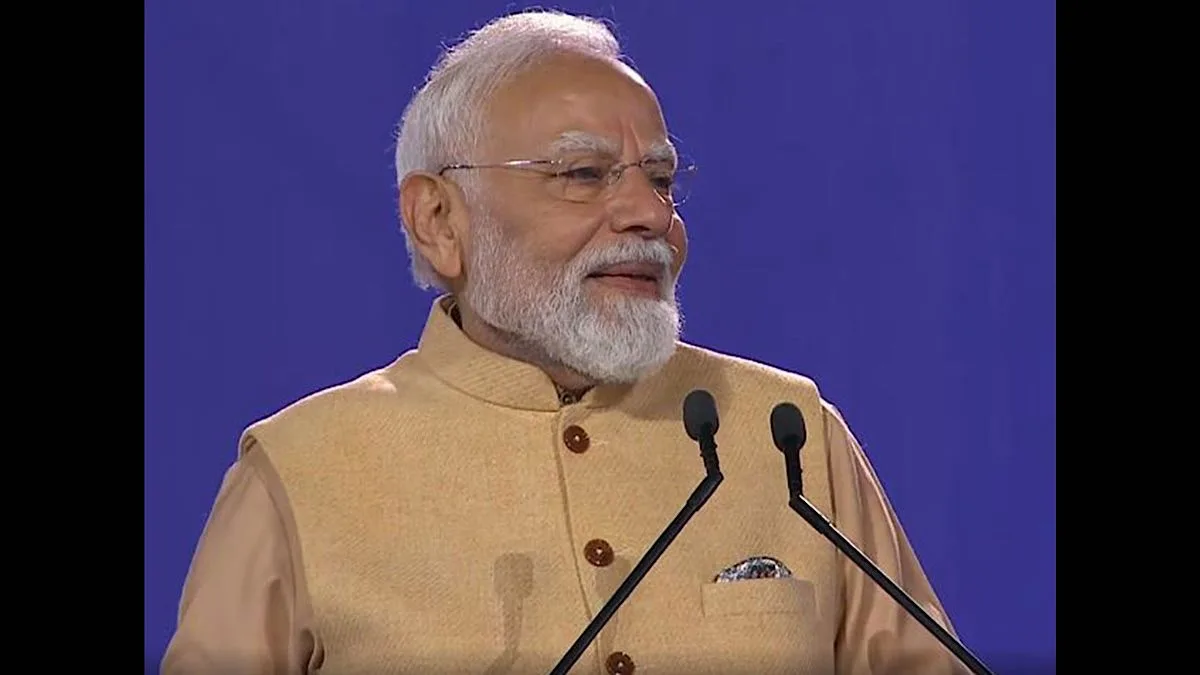
Meanwhile, Prime Minister Narendra Modi and his New Zealand counterpart Christopher Luxon yesterday announced that the two countries have concluded talks on a comprehensive FTA, and described the deal as “a major economic and strategic milestone”.
The agreement is likely to be inked within three months and implemented in 2026.
The Indian government said the FTA eliminates duty on 100 per cent of Indian exports and secures USD 20 billion investment from New Zealand over the next 15 years.
India has also managed to protect its key interests in dairy and agriculture, while securing major concessions on student mobility and post0study work visa for STEM graduates and skilled professionals. A new visa pathway has also been opened for 5,000 skilled occupations.
Advertisement