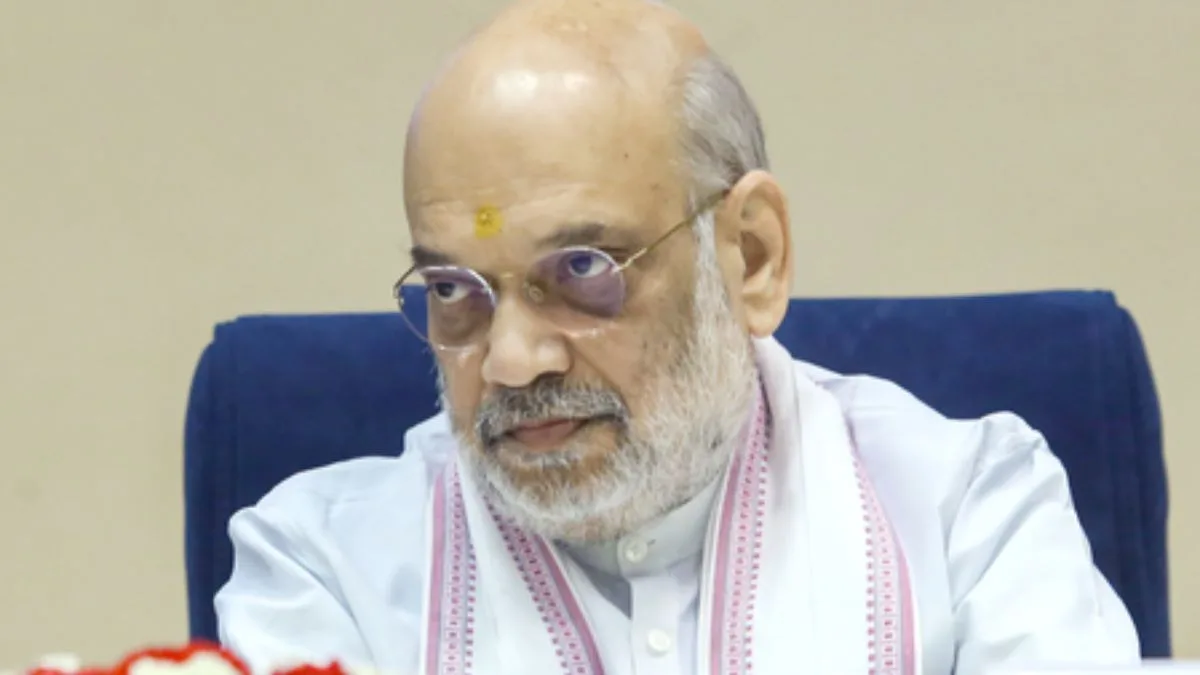
Union home minister Amit Shah is scheduled to visit West Bengal on 29-30 December, signalling the BJP’s renewed push to strengthen its organisational base and electoral strategy ahead of the 2026 Assembly elections.
During his two-day stay in Kolkata, Shah is expected to hold a series of meetings with the state BJP’s core group leaders to review the party’s preparedness for the crucial polls. According to BJP sources, the discussions will focus on assessing organisational strength, booth-level planning and coordination among party leaders. The meetings are also likely to review ground-level feedback and identify areas where the party needs to intensify its outreach, as the central leadership sharpens its focus on West Bengal, considered one of the BJP’s key political battlegrounds.
Advertisement
Shah’s visit comes close on the heels of Prime Minister Narendra Modi’s scheduled trip to the state on 20 December. During his visit, the Prime Minister is slated to address a public rally at Taherpur in Nadia district, underscoring the BJP’s sustained campaign mode well ahead of the Assembly elections, expected in March-April 2026. The political atmosphere in the state has been further charged by the ongoing debate over the Special Intensive Revision (SIR) of the electoral roll, which has drawn sharp reactions from the ruling Trinamul Congress (TMC).
Chief Minister Mamata Banerjee and her party have opposed the exercise, alleging that it could disenfranchise genuine voters. Amid the controversy, Leader of Opposition in the West Bengal Assembly and senior BJP leader Suvendu Adhikari launched a scathing attack on the TMC, asserting that the BJP contests elections without depending on what he described as “fake, dead or illegal voters”. Referring to the SIR process, Adhikari claimed that the revision exercise had exposed long-standing irregularities in the voter list.
“We are honest people. The BJP does not fight elections by relying on dead voters, fake voters or Bangladeshi infiltrators. The BJP does not indulge in proxy voting. Everything has now been exposed regarding what was there in the voter list in Bengal,” Adhikari said.
The Election Commission of India (ECI), meanwhile, has completed the Special Intensive Revision of electoral rolls as part of preparations for the next Assembly elections. The draft electoral rolls, released on Tuesday, show that 58,20,899 names — around 7.59 per cent of the total electorate — have been provisionally deleted on grounds such as death, permanent migration or untraceability. According to the ECI, out of more than 7.66 crore registered electors in West Bengal, over 7.08 crore had submitted enumeration forms by 11 December.
The poll body has clarified that the draft rolls are not final and that eligible voters whose names are missing can seek inclusion during the claims and objections period.